Reviewed · LONDON TOURS
Gangster Tour of Soho
Crime stories get better on their own streets. This roughly two-hour walk through Soho connects gangsters, clubs, police corruption, and 1960s culture in a compact central London route. I like the local guide’s personal connection to the era, and I like that the tour uses real streets, former clubs, court buildings, and pubs instead of relying only on old newspaper stories. The main drawback is that the tour is entirely outdoors, requires good weather, and is not suitable for anyone under 18.
The walk also brings together two sides of Soho that are easy to miss when you visit only for restaurants and nightlife. You get stories about the Kray twins, Paul Raymond, Jack the Hat, and other underworld figures, but you also hear about the Beatles, Ronnie Scott’s, the 2i’s Coffee Bar, fashion, rock music, and the people who shaped London’s nightlife. Old photographs shown at stops add useful context, especially when you are looking at a modern building that once housed a notorious club.
In This Review
- Key things to know before you book
- Why Soho makes such a good setting
- From the London Palladium to the old magistrates’ court
- Carnaby Street and the Soho gangsters who came before
- The Spirit of Soho mural and John Snow’s pump
- Walker’s Court and the business empire of Paul Raymond
- Wardour Street and the sound of the Flamingo Club
- Gerrard Street, the Krays, and a street packed with clubs
- The French House and the Krays’ political connection
- The 2i’s Coffee Bar and the birth of British rock
- Ronnie Scott’s and the music clubs of Frith Street
- Greek Street and Soho’s darker crimes
- Ending at 58 Greek Street
- Timing, group size, and what the price means
- Who will get the most from this Soho walk
- Should you book the Gangster Tour of Soho?
- FAQ
- How long does the Gangster Tour of Soho last?
- Where does the tour begin?
- Where does the tour finish?
- Which Underground stations are near the end point?
- Is the tour suitable for children?
- Is transportation included?
- Are food and drinks included?
- What happens if the weather is poor?
- Can I cancel for a full refund?
Key things to know before you book
- The guide lived through the period: The tour is led by a local Londoner who saw parts of Soho’s 1960s and 1970s nightlife firsthand.
- It covers more than gangsters: Music, fashion, theatre, policing, celebrity culture, and the city’s changing social rules all form part of the story.
- You visit 14 locations: The route begins near Oxford Street and ends on Greek Street, close to two Underground stations.
- Every stop is outdoors: You do not enter the former clubs, court, or private buildings, so the value comes from storytelling and the streets themselves.
- The displayed price is $0.00: Since no admission fees are listed, confirm the current booking details before setting out.
- It is for adults: The experience is unsuitable for people under 18, and poor weather can lead to a rescheduled date or refund.
Why Soho makes such a good setting
Soho is a useful place for this subject because the area’s entertainment, crime, music, sex industry, immigration, and restaurant life have long existed close together. On one short walk, you move from a major theatre to former nightclubs, Chinatown streets, a music venue, and locations tied to police investigations.
That tight geography matters. You are not being driven from one far-flung crime site to another. You walk through the same central London streets where performers, club owners, police officers, bookmakers, musicians, and gangsters crossed paths.
The route also reaches beyond the 1960s and 1970s. Early names such as Darby Sabini and Billy Kimber place Soho within a longer story of London gangs, while later stops explain the influence of the Kray twins, Paul Raymond, and club figures such as Bernie Silver.
The tour is best understood as a walking story about a changing city. Gangsters are the hook, but London’s new music, changing attitudes toward sex, celebrity culture, and police scandals give the walk its wider interest.
Other London trips people book alongside this one:
- Stonehenge, Windsor Castle, and Bath from London
★ 4.5 · 18,662 reviews - London Big Bus Hop-On Hop-Off Tour with Optional River Cruise
★ 3.5 · 10,803 reviews - London Small Group Tour of Historical Pubs
★ 5.0 · 10,422 reviews
From the London Palladium to the old magistrates’ court
The meeting point is outside ICE, the International Currency Exchange, at 241 Oxford Street. From there, the first stop is the London Palladium, a fitting place to begin because it represents respectable, highly visible show business.
The theatre was especially famous in the 1960s and 1970s for Sunday Night at the London Palladium. You also look at the plaque for Brian Epstein, the Beatles’ manager. This opening stop helps set up one of the tour’s key ideas: Soho’s underworld was never separate from entertainment. The same city that produced major stars also supported a dense network of clubs, promoters, and nightlife businesses.
You then stop near the Palladium stage door and look at the famous performers associated with the theatre. The walk continues to the Courthouse Hotel, once Great Marlborough Street Magistrates’ Court.
This former court is important because many recognizable figures faced drug charges and other offences there. You do not go inside for a courtroom presentation, so expect a short exterior stop. Its value comes from connecting the names heard in Soho’s clubs with the legal system that tried to control them.
Carnaby Street and the Soho gangsters who came before
Carnaby Street brings the story into the world of fashion and popular culture. It is also where the guide places Soho’s gangsters within a longer timeline, beginning with figures from the 1920s and continuing through the later club era.
Names discussed here include Darby Sabini, Billy Kimber, Billy Hill, Jack Spot Comer, and the Messina brothers. Billy Kimber is especially familiar to anyone interested in the real people behind the Peaky Blinders story, though this walk focuses on London rather than Birmingham.
At 50 Carnaby Street, the subject turns to the clubs that occupied the site from the 1930s through the 1970s. This is a good example of the tour’s method. You see an ordinary modern address, then learn how many layers of nightlife existed there before the current shops and businesses arrived.
The stop is short, so you will need to listen closely. If you want a long explanation of every gangster named, this section may feel brisk. If you prefer a moving overview that keeps you on the streets, the pace works well.
The Spirit of Soho mural and John Snow’s pump
The Spirit of Soho mural widens the focus beyond crime. It features famous and infamous people connected with the neighborhood, including Casanova, Mozart, George Melly, Jeffrey Bernard, Brendan Behan, and Johnnie Dankworth.
The mural gives you a quick visual reminder that Soho attracted artists, musicians, writers, performers, and outsiders as well as criminals. It is one of the more colorful stops and helps keep the tour from becoming a simple list of murders and gangland nicknames.
Nearby, a replica pump outside the John Snow pub points to a very different London story. John Snow is recognized as the first British epidemiologist, and he solved the mystery of a cholera outbreak in 1854 that had already killed 500 people.
This stop is not about gangsters, but it adds useful local context. Soho’s streets carry stories of public health and scientific investigation alongside stories of vice and crime. That mixture is one reason the walk feels more substantial than a standard crime-themed stroll.
Something different for another day:
- Stonehenge, Windsor Castle and Bath with Pub Lunch in Lacock
★ 4.5 · 7,402 reviews - Tower of London and Crown Jewels Exhibition Ticket
★ 4.5 · 6,677 reviews - Thorpe Park Admission Ticket
★ 4.0 · 5,915 reviews - Stonehenge, Windsor Castle and Bath Full Day Guided Tour
★ 4.5 · 5,346 reviews
Walker’s Court and the business empire of Paul Raymond
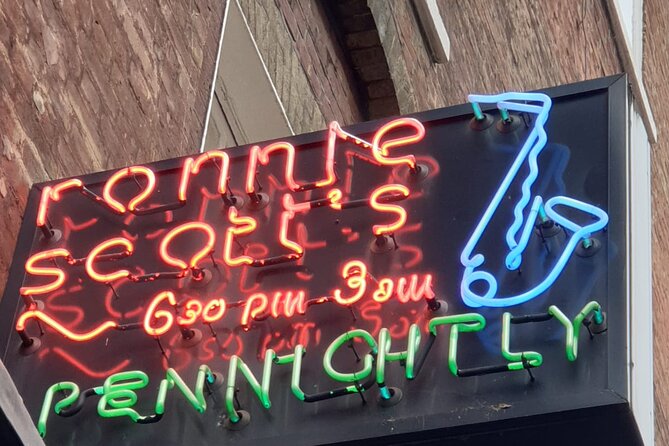
At Walker’s Court, the guide explains the former location of Raymond’s Revue Bar. It was the first place in Soho where strippers could move once they were naked, according to the tour information.
The stop introduces Paul Raymond, who was not only a club owner. He also published men’s magazines including Men Only and Mayfair, published Escort, and built a property empire reportedly worth £650 million.
This is a useful part of the walk because it shows how Soho’s adult entertainment businesses connected with publishing and real estate. The story is not simply about individual performers or scandal. It is also about money, ownership, and the way a nightlife business could grow into a large commercial operation.
The subject matter is adult and direct. You should not book this walk for children, and the under-18 restriction is clear. The former revue bar is discussed from the street, so you will not enter a preserved club interior.
Wardour Street and the sound of the Flamingo Club
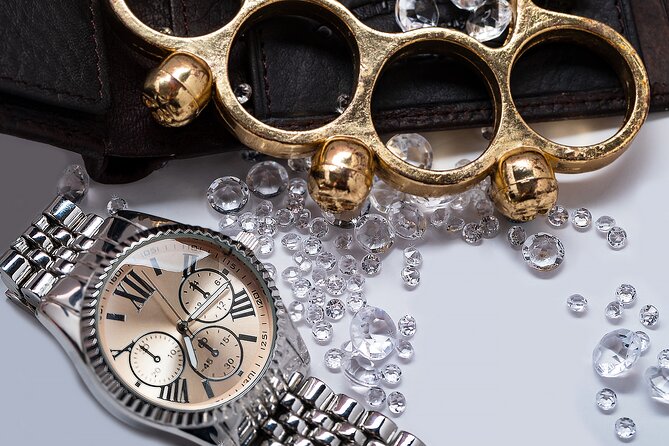
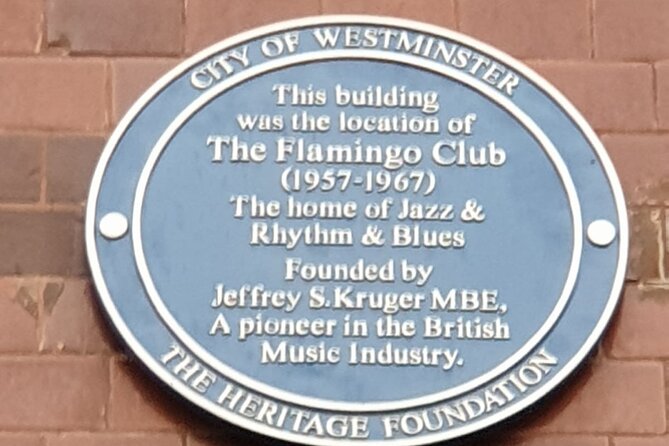
On Wardour Street, the story moves firmly into music. The former Flamingo Club attracted major British and American rock and pop stars during the 1960s and 1970s.
This stop helps explain why Soho mattered so much to London’s music scene. Clubs were places where performers met, reputations grew, and nightlife mixed with the city’s less respectable businesses. The guide’s stories about who gathered in these venues give the street a stronger sense of purpose than its present-day appearance might suggest.
The Flamingo Club stop will appeal to you if your interest is split between true crime and music history. It also gives the tour some balance. Not every location is tied to a killing, arrest, or gangster. Some are about the creative energy that made Soho famous.
Gerrard Street, the Krays, and a street packed with clubs
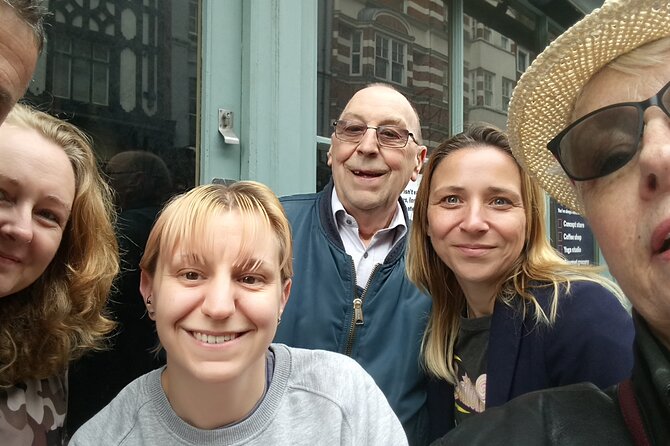
Gerrard Street has one of the densest sections of the tour. The guide discusses the Boulogne Restaurant at the Wardour Street end, once a hostess club, and then points out number 15, associated with the Kray twins’ El Morocco club.
The Krays had already opened Esmeralda’s Barn in Kensington before moving into this part of central London. The walk also reaches back to the 1920s and the 43 Club, linked with Kate Meyrick, known as the nightclub queen.
This section gives you a useful sense of continuity. Different owners, clubs, and criminal figures came and went, but Soho repeatedly drew the same mix of nightlife, money, celebrity, and lawbreaking.
The amount covered here is considerable. You will hear several names and businesses in a short period, so it helps to focus on the main thread: Soho’s clubs were social spaces, businesses, and meeting points, and some were closely tied to organized crime.
The French House and the Krays’ political connection

Opposite The French House, the guide returns to the Kray twins and their relationship with Lord Boothby. This stop moves the story beyond club doors and into the world of influence and public reputation.
The importance of this location is not the building itself. It is the way the guide links criminal figures with people from Britain’s political and social elite. That connection is one reason the Kray story remains so compelling, and the setting gives the discussion a natural pause before the walk turns back toward music.
You should expect a discussion outside rather than a visit inside The French House. The attraction is the story, not a meal or a drink during the tour. You can return to Soho’s many bars and restaurants after the walk.
The 2i’s Coffee Bar and the birth of British rock
A green plaque marks the former 2i’s Coffee Bar, described as the birthplace of British rock and roll. The venue was run by a wrestler known as Dr Death, and from the 1960s onward it helped introduce future stars including Tommy Steele, Cliff Richard and the Shadows, Screaming Lord Sutch, and others.
The site is now home to Poppies, a fish and chip restaurant. That change is part of the appeal. You are looking at a functioning modern business while hearing about a former coffee bar that played a role in British music history.
This is one of the strongest stops for anyone who wants more than gangster stories. It explains how small venues could help launch national careers. It also shows how quickly Soho’s physical identity can change, even when a plaque keeps one part of the past visible.
Ronnie Scott’s and the music clubs of Frith Street
From Frith Street, you can look toward Ronnie Scott’s Club, which remains in operation today. The guide discusses Ronnie Scott and his wife Cleo Laine, while noting that both have since died.
Unlike many other locations on the walk, Ronnie Scott’s still functions as a famous music club. You do not receive an admission ticket as part of this walking tour, but the exterior view gives you a clear link between past and present Soho.
This stop is brief, only about two minutes in the stated schedule. I would treat it as a quick orientation point rather than a full club history. If Ronnie Scott’s is important to you, consider returning separately for a performance, but that would be outside this experience.
Greek Street and Soho’s darker crimes
At the corner of Greek Street and Old Compton Street, the guide discusses the Krays, the murder of Jack the Hat, and the Mad Axman, Frank Mitchell. Other names include Freddie Foreman, Ronnie Knight, and Barbara Windsor, who was Knight’s first wife.
The stop also covers the murder of Alfredo Zomparelli. These stories give the tour its strongest true-crime edge, and this part will suit you if you enjoy police dramas and investigations involving London’s organized crime world.
The names come quickly, and some stories are grim. This is not a light sightseeing walk with a few colorful anecdotes added for effect. You should be comfortable with accounts of murder, violence, criminal businesses, and corruption before booking.
Ending at 58 Greek Street
The final stop is 58 Greek Street. Here, the guide discusses police corruption during the 1960s and 1970s, Bernie Silver’s position as a leading figure in Soho, Frank Mifsud’s control of many doorbell flats, and Scotland Yard Commander Drury’s relationship with pornography baron Jimmy Humphries and his wife, Rusty Gaynor.
This ending brings several themes together: criminal power, adult entertainment, policing, and the difficulty of separating respectable authority from Soho’s underground economy. It is a strong place to finish because the tour closes on systems and connections rather than one isolated crime.
From 58 Greek Street, you are about a five-minute walk from Tottenham Court Road Underground station, served by the Central, Northern, and Elizabeth lines. Leicester Square station is also about five minutes away, with Piccadilly and Northern line service.
Timing, group size, and what the price means
The walk lasts about two hours and includes roughly 14 stops. The stated stop times vary from two to ten minutes, which tells you that the experience is built around a steady route rather than long pauses at each site.
The group can include up to 25 people. That is small enough for a more personal walk, but you may still need to stay close to the guide on busy Soho pavements. The tour uses a mobile ticket, and all listed admissions are free because the stops are viewed from public streets.
The displayed price is $0.00. That makes the experience look like exceptional value, but I would confirm the current price and booking conditions before relying on that figure. Even if the tour is free, remember that drinks, food, private transport, and bottled water are not included.
The route is easy to combine with an evening in Soho. You finish near restaurants, bars, and shops, so you can continue exploring after the final story. Bring water and wear comfortable shoes, since the tour is outdoors and there are no included refreshments.
Free cancellation is available if you cancel at least 24 hours before the start time. Within 24 hours, there is no refund, and late changes are not accepted. The tour can also be moved or refunded if bad weather prevents it from operating or if the minimum number of participants is not reached.
Who will get the most from this Soho walk
I would choose this tour if you enjoy true crime, British police dramas, music history, or the social story of London in the 1960s and 1970s. It is especially useful for people who want to understand why Soho became linked with clubs, celebrities, adult entertainment, and criminal figures.
It also suits a first visit to central London because the route starts near Oxford Street and finishes near two major Tube stations. You can fit it between shopping, theatre plans, or dinner without spending half a day crossing the city.
I would be more cautious if you want interior access to former clubs or detailed museum displays. The buildings are seen from outside, and the tour depends heavily on the guide’s narration. The pace may also feel fast if you want to study every address or take extensive photographs.
The authentic local connection is the strongest reason to book. Someone who was present during the period can add personal color that a plaque or guidebook cannot provide. A previous participant particularly praised the guide’s old photographs, which compare the locations as they appeared in the 1950s and 1960s with the streets you see now.
Should you book the Gangster Tour of Soho?
Book it if you want a story-led walk through real Soho locations, especially if gangster history is only one part of your interest. The combination of the Krays, the Flamingo Club, the 2i’s Coffee Bar, Paul Raymond, John Snow, and the London Palladium gives you a wider picture of the district than the title alone suggests.
Skip it if you dislike outdoor walks, adult subject matter, or stories about murder and police corruption. Also check the $0.00 price before booking, since the supplied price may not tell you the full current arrangement. For the right audience, this is a compact and unusual way to see Soho through the people and businesses that made its reputation.
FAQ
How long does the Gangster Tour of Soho last?
The tour lasts approximately two hours.
Where does the tour begin?
It begins outside ICE, the International Currency Exchange, at 241 Oxford Street, London W1D 2LT.
Where does the tour finish?
The tour ends at 58 Greek Street, London W1D.
Which Underground stations are near the end point?
Tottenham Court Road station is about a five-minute walk away and serves the Central, Northern, and Elizabeth lines. Leicester Square station is also about five minutes away and serves the Piccadilly and Northern lines.
Is the tour suitable for children?
No. The experience is unsuitable for anyone under 18.
Is transportation included?
No. Private transportation is not included. The tour is a walking experience.
Are food and drinks included?
No. Alcoholic drinks, coffee, tea, bottled water, and snacks are not included.
What happens if the weather is poor?
The experience requires good weather. If it is canceled because of poor weather, you will be offered another date or a full refund.
Can I cancel for a full refund?
Yes, if you cancel at least 24 hours before the experience begins. Cancellations made less than 24 hours before the start time are not refunded.
Just added around London
- The Private British Museum Tour★ 5.0 · 6 reviews
- London to Southampton Cruise Port | Private Transfer★ 5.0 · 6 reviews
- London’s Chinatown Food Experience★ 4.0 · 6 reviews
- Transfer from Heathrow Airport to London hotel on private car★ 4.5 · 6 reviews
- Christmas in Canterbury, Dover and Greenwich with Christmas Lunch★ 4.5 · 6 reviews
- London Gatwick (LGW) Airport Departure Private Transfer – Hotel to Airport★ 4.0 · 6 reviews
- Jazz Notes – Jazz Jam Ticket★ 5.0 · 6 reviews
- Transfer from London Stansted Airport to Central London★ 5.0 · 6 reviews
London Tours, compared.
Stonehenge, Windsor Castle, and Bath from London
Read our review →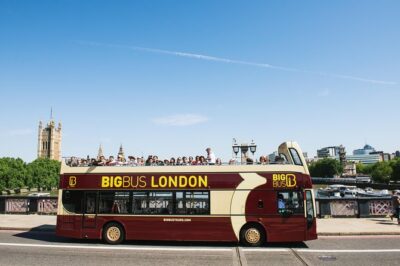
London Big Bus Hop-On Hop-Off Tour with Optional River Cruise
Read our review →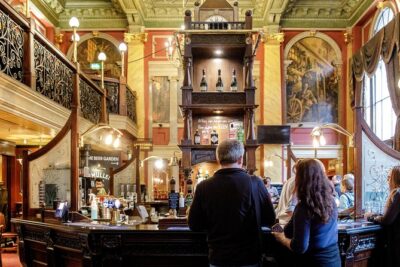
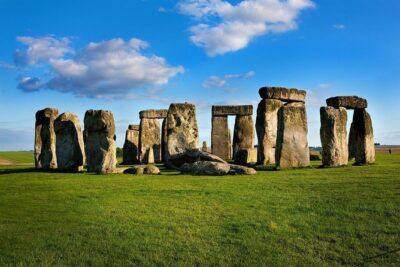
Stonehenge, Windsor Castle and Bath with Pub Lunch in Lacock
Read our review →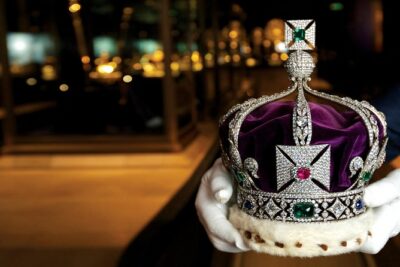
Tower of London and Crown Jewels Exhibition Ticket
Read our review →
Stonehenge, Windsor Castle and Bath Full Day Guided Tour
Read our review →