
Reviewed · LONDON TOURS
Handel Hendrix House General Admission
Music history shares one address here. At 25 Brook Street, you can walk through the London home where George Frideric Handel lived and wrote Messiah, then visit the next-door flat where Jimi Hendrix lived nearly two centuries later. I like the rare combination of two very different musical lives, and I like that you explore both homes at your own pace. The main consideration is that the museum is small, so visitors expecting a large, full-day attraction may finish in closer to an hour.
The staff add real value, especially when musicians are practicing or performing inside Handel’s rooms. A second point to keep in mind is the old staircase, which is part of the charm but may feel awkward for some visitors. At about $19.98 per person, this is a fair London ticket if you care about music, social history, or intimate house museums.
In This Review
- Key points at Handel Hendrix House
- Why two homes on Brook Street make such a good visit
- Starting at 25 Brook Street with Handel
- The rooms connected with Messiah
- Upstairs to Jimi Hendrix’s 1968 London flat
- Guitars, effects, and the details worth slowing down for
- How long to allow and how to plan the timing
- Who gets the most from this admission
- Is the $19.98 price fair?
- Should you book Handel Hendrix House?
- FAQ
- Where is Handel Hendrix House located?
- How much does general admission cost?
- How long does a visit take?
- When is the museum open?
- Can I arrive at any time?
- Is the ticket mobile?
- Can children visit alone?
- What is the cancellation policy?
Key points at Handel Hendrix House
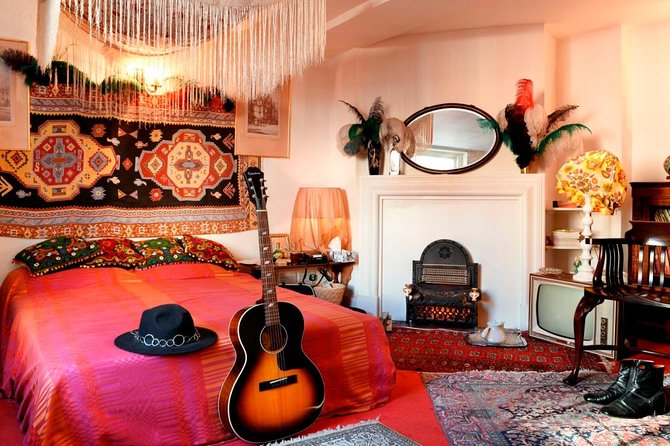
- Two musical legends in adjoining homes: Handel lived at 25 Brook Street from 1723 to 1759, while Hendrix occupied the flat next door in 1968 and 1969.
- Handel’s restored rooms: See the spaces where he composed, rehearsed, performed, and entertained leading musicians of the Baroque age.
- A 250-year-old staircase: The wonky stairs are a memorable part of reaching Handel’s rooms, though they may not suit everyone.
- Live music can change the visit: Harpsichord, strings, and opera singing may fill the historic rooms during practice or performance sessions.
- Hendrix’s recreated main room: The third-floor flat presents his home life in 1960s London, including details linked to his music and equipment.
- Best for music lovers with 1 to 2 hours: The museum is focused and manageable, making it easy to fit into a central London day.
Why two homes on Brook Street make such a good visit
Many London museums ask you to choose between art, royalty, literature, or war. Handel Hendrix House offers something more unusual: two homes linked by an address and separated by about 200 years of music.
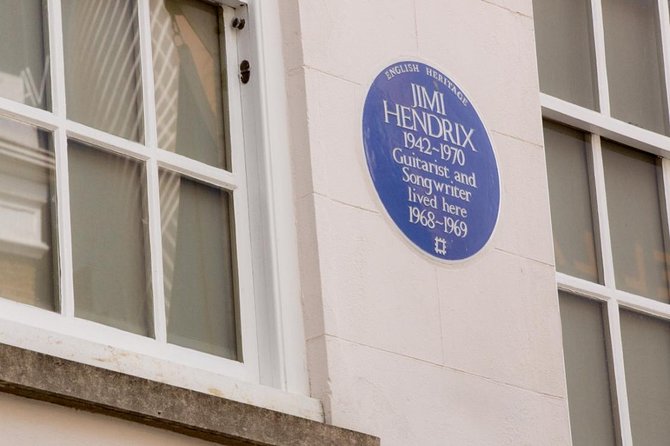
George Frideric Handel lived at 25 Brook Street from 1723 until his death in 1759. Jimi Hendrix lived in the adjoining flat at 23 Brook Street from 1968 to 1969. The connection is not that the two men shared a musical style. They did not. The appeal is seeing how two major musicians worked, lived, and found a place in London.
I like this setup because it keeps the visit personal. You are not looking at distant portraits in a grand gallery. You are climbing stairs, entering rooms, and seeing domestic spaces tied to working musicians. The contrast also gives the museum a natural rhythm: Handel’s quieter Georgian rooms first, then Hendrix’s colorful, modern world upstairs.
The admission is around $19.98 per person. That is not a bargain-basement museum price, but it compares well with the cost of many central London attractions, especially if you spend the full hour or two and take time with the staff and displays. The ticket includes both houses, so you are not paying separately for the Handel and Hendrix sections.
Other London trips people book alongside this one:
- Stonehenge, Windsor Castle, and Bath from London
★ 4.5 · 18,662 reviews - London Big Bus Hop-On Hop-Off Tour with Optional River Cruise
★ 3.5 · 10,803 reviews - London Small Group Tour of Historical Pubs
★ 5.0 · 10,422 reviews
Starting at 25 Brook Street with Handel
Make your own way to Brook Street and arrive any time during opening hours. You do not join a scheduled walking tour or follow a guide through the house. Instead, you move at your own pace, which works well because the rooms reward quiet attention.
The first physical detail is the 250-year-old staircase. It is described as wonky, and that is part of the experience. Climbing it gives the visit a useful sense of age before you even reach the music rooms. Still, take your time. The stairs may be uncomfortable for some people, and the museum is not designed like a modern, wide-open gallery.
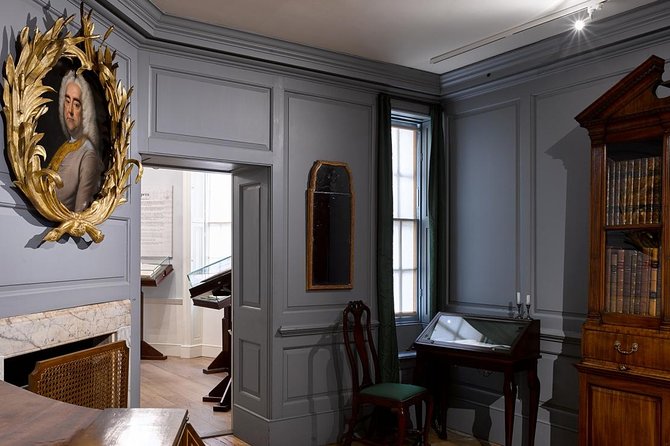
Handel’s rooms are restored to show the place where he worked and lived. You can see the music rooms where he composed, rehearsed, and performed. He also met leading musical figures of his time here, so the rooms function as both home and workplace.
That domestic setting helps you picture Handel as a working musician rather than a name from a concert program. Composing, rehearsing, entertaining, and arguing with singers all happened within these walls. One memorable detail connected with the house is the story that Handel threatened to throw opera stars from the windows when they refused to sing his arias. It adds a touch of temper to an otherwise formal chapter of music history.
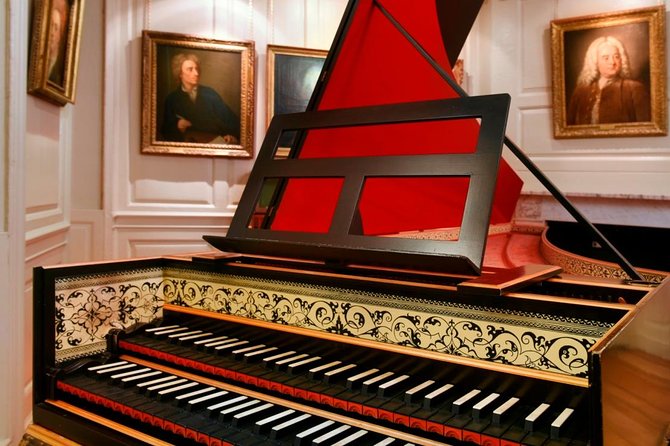
The strongest part of this section may be the sound. Musicians sometimes play harpsichords in the house, and special practice or performance moments can include strings and opera singing. A visit can therefore feel more alive than a silent room display. One particularly praised experience involved sitting while musicians practiced, followed later by a singer warming up.
You should not assume a performance will happen during your visit, since the schedule is not given. But if music is being played, pause and listen. Hearing a harpsichord or voice in the restored rooms gives you a direct connection to the building that printed labels cannot provide.
The rooms connected with Messiah
Handel’s best-known work, Messiah, was written here. That single fact makes the house important, but the museum does more than point to the title and move on. You can consider how a major work came from rooms that were also used for rehearsals, conversations, and daily life.
The museum includes Handel’s dressing room and bedroom. His bedroom is especially significant because he died there. These rooms bring the story back to the human scale. Instead of seeing only the public composer, you see the private spaces at the end of his life.
Temporary exhibitions may add more material about Handel, his work, and his contemporaries. Since those displays can change, the exact content will depend on when you visit. Allow enough time to read rather than treating the Handel house as a quick passage to Hendrix.
I would give this section at least half of your visit, even if Jimi Hendrix is your main reason for coming. That advice may seem surprising, but the Handel rooms have an atmosphere that is hard to duplicate. Several visitors who arrived mainly for Hendrix ended up spending as much time with the Handel material because the staff brought the story to life.
Upstairs to Jimi Hendrix’s 1968 London flat
The third floor shifts the mood. You move from Handel’s eighteenth-century home to the London of the late 1960s, when Hendrix was living at 23 Brook Street with his girlfriend Kathy Etchingham.
Hendrix described the flat as the first place he had truly called home. That detail gives the room a personal weight beyond its connection to a famous guitarist. The flat is presented as a place where he lived and played, not simply as a display case for celebrity objects.
The main room has been recreated to show how Jimi had it. The period setting helps you picture Hendrix in London during the height of the city’s swinging 1960s era. The museum also explains how he lived there and includes other facts about his time in the flat.
The Hendrix section is compact. Do not expect a giant collection spread across several galleries. Its strength is the setting, the careful reconstruction, and the chance to stand inside a place that mattered to him. For a Hendrix fan, that can be more affecting than a large room full of unrelated memorabilia.
Kathy Etchingham was consulted in recreating Jimi’s room, which is an important detail for anyone concerned with accuracy. The display was praised for staying true to the period. I like that focus because the room feels tied to a particular home and relationship, not just to a general idea of 1960s rock culture.
Something different for another day:
- Stonehenge, Windsor Castle and Bath with Pub Lunch in Lacock
★ 4.5 · 7,402 reviews - Tower of London and Crown Jewels Exhibition Ticket
★ 4.5 · 6,677 reviews - Thorpe Park Admission Ticket
★ 4.0 · 5,915 reviews - Stonehenge, Windsor Castle and Bath Full Day Guided Tour
★ 4.5 · 5,346 reviews
Guitars, effects, and the details worth slowing down for
The Hendrix section includes an Epiphone acoustic guitar and Roger Mayer’s Octavia. These are not random objects placed in a case. The displays explain Hendrix’s use of effects and why they mattered to his sound.
If you know Hendrix mainly from recordings, this helps connect the music to the tools behind it. The Octavia display, in particular, gives context to the effects that shaped his guitar work. You do not need to be a guitarist to appreciate the point. The museum shows that his sound came from choices, equipment, and experimentation, not from fame alone.
The small scale works in its favor here. You can examine the objects and read the explanations without feeling lost in a large collection. Staff members may also add useful detail. One particularly enthusiastic account described the staff as friendly and eager to explain both the Handel and Hendrix sides.
Do not rush past the rooms simply because you came for a quick look at the guitar. The best visit links the object to the person, the flat, and the London setting around it.
How long to allow and how to plan the timing
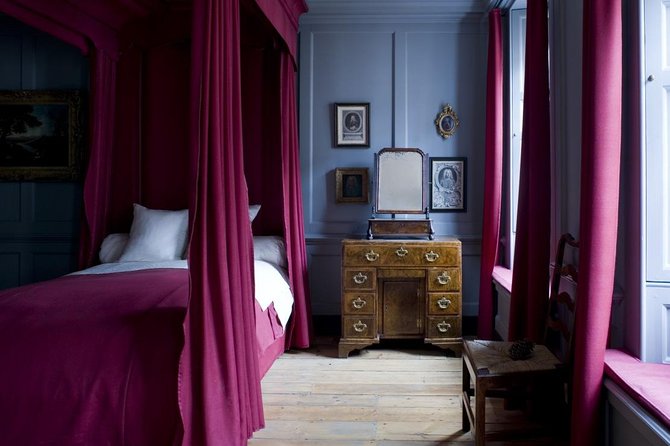
The stated visit time is about one to two hours. I would allow the full two hours if you enjoy reading displays, talking with staff, or listening to music in Handel’s rooms. If you move quickly, you can see the essentials in about an hour.
The museum is open Wednesday through Sunday from 10 a.m. to 5 p.m. Last admission is at 4 p.m. This schedule matters because it is not a seven-day attraction. Check your London plans carefully, especially if your free time falls on a Monday or Tuesday.
You choose your arrival time during the opening hours. That flexibility is useful when you are building a day around nearby sights, meals, or shopping. The ticket is mobile, and the experience is offered in English.
The museum is booked an average of 18 days ahead. That does not mean every date sells out, but it is a useful planning signal. If Handel or Hendrix is a major reason for your London visit, booking ahead is sensible.
Children must be accompanied by an adult. Service animals are allowed, and most people can participate. The old staircase is the main practical detail to consider, since much of the experience involves moving through historic rooms rather than a modern, open-access building.
Who gets the most from this admission

This visit suits you best if music is part of how you understand a city. It works for classical music fans, Hendrix followers, musicians, and anyone who enjoys homes that reveal how artists actually lived.
It is also a good choice for families with older children who can appreciate the contrast between Handel’s eighteenth-century world and Hendrix’s 1960s London. The two sections offer an easy way to discuss how music, technology, fashion, and daily life changed over time.
Musicians may find extra value in the harpsichord, guitar, and effects displays. One visitor who played music for decades found the visit especially meaningful, while another came as a Hendrix fan and discovered that the Handel section held equal appeal.
You may want to skip it if you are looking for a large museum with hours of galleries, major theatrical productions, or a broad survey of all London music. This is a focused house museum. Its reward comes from close attention to a small number of rooms.
Is the $19.98 price fair?
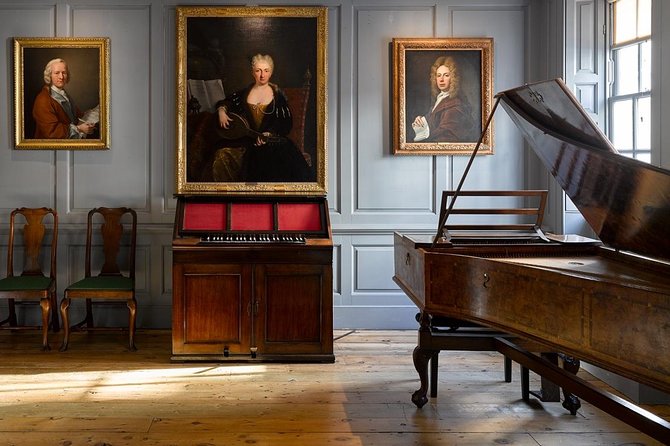
At about $19.98, the ticket is best judged by the quality of the setting rather than the quantity of objects. You are paying for access to two historic homes, restored rooms, period displays, staff interaction, and the possibility of live music in Handel’s house.
That makes the price reasonable for a one to two-hour visit, especially in central London. The value improves if you slow down, read the explanations, and spend time with both musicians’ stories. A hurried visit that lasts only a few minutes will feel less worthwhile.
The strongest value is the unusual pairing. Many attractions tell you about one famous person. Here, the same address lets you compare Handel’s working home with Hendrix’s short but meaningful London residence.
Free cancellation is available if you cancel at least 24 hours before the experience start time. Cancellations made less than 24 hours ahead are not refunded, and late changes are not accepted. The cutoff uses local time, so keep that in mind when making plans.
Should you book Handel Hendrix House?
I would book it if you want a personal, focused museum visit rather than another large London attraction. The Handel rooms are the stronger surprise for many people, while the Hendrix flat gives the experience its modern hook and emotional contrast.
Book ahead if your schedule is tight, especially since the experience is often reserved around 18 days in advance. Plan for roughly two hours, arrive during the Wednesday to Sunday opening window, and do not skip the staff or any music happening in the Handel rooms.
If your main interest is Hendrix, you will find the recreated flat, Epiphone guitar, Octavia effects display, and 1960s setting worthwhile. If you love classical music, give Handel equal time. At this address, the older composer is not just the opening act.
FAQ
Where is Handel Hendrix House located?
It is located on Brook Street in central London. Handel’s home is at 25 Brook Street, and Jimi Hendrix lived in the adjoining flat at 23 Brook Street.
How much does general admission cost?
The listed price is $19.98 per person.
How long does a visit take?
You should allow about one to two hours, depending on how carefully you read the displays and how much time you spend in each home.
When is the museum open?
It is open Wednesday through Sunday from 10 a.m. to 5 p.m. The last admission is at 4 p.m.
Can I arrive at any time?
You can arrive at your preferred time during the museum’s opening hours.
Is the ticket mobile?
Yes. The admission includes a mobile ticket, and the experience is offered in English.
Can children visit alone?
No. Children must be accompanied by an adult.
What is the cancellation policy?
You can cancel up to 24 hours before the experience start time for a full refund. Cancellations or changes made less than 24 hours before the start time are not accepted for a refund.
Just added around London
- The Private British Museum Tour★ 5.0 · 6 reviews
- London to Southampton Cruise Port | Private Transfer★ 5.0 · 6 reviews
- London’s Chinatown Food Experience★ 4.0 · 6 reviews
- Transfer from Heathrow Airport to London hotel on private car★ 4.5 · 6 reviews
- Christmas in Canterbury, Dover and Greenwich with Christmas Lunch★ 4.5 · 6 reviews
- London Gatwick (LGW) Airport Departure Private Transfer – Hotel to Airport★ 4.0 · 6 reviews
- Jazz Notes – Jazz Jam Ticket★ 5.0 · 6 reviews
- Transfer from London Stansted Airport to Central London★ 5.0 · 6 reviews
London Tours, compared.

Stonehenge, Windsor Castle, and Bath from London
Read our review →
London Big Bus Hop-On Hop-Off Tour with Optional River Cruise
Read our review →

Stonehenge, Windsor Castle and Bath with Pub Lunch in Lacock
Read our review →
Tower of London and Crown Jewels Exhibition Ticket
Read our review →

Stonehenge, Windsor Castle and Bath Full Day Guided Tour
Read our review →