
Reviewed · JACK THE RIPPER TOURS
Jack the Ripper and Victorian London Beyond the Shadows
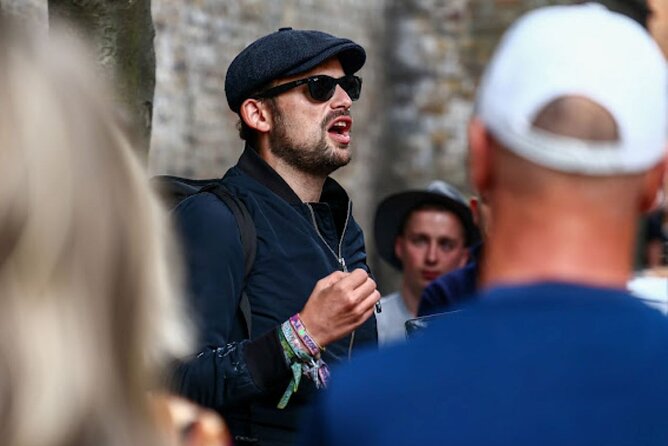
The past still whispers through East London. This 2-hour-30-minute evening walk connects the Jack the Ripper case with the lives of the women involved, the harsh conditions of Victorian London, and the East End’s later changes. I especially like the victim-focused approach and the way the tour links crime with social history instead of treating the murders as a grisly guessing game. I also like the personal touch from guides such as Nick, a native East End historian who uses photographs and questions to keep the group involved.
The main consideration is simple: this is a real walking tour, and you will walk a lot. The subject can also be upsetting, since it deals with murdered women, poverty, addiction, and survival. If you want only a list of suspects and spooky stories, this may feel more serious than expected. For anyone who wants context and careful storytelling, that seriousness is a strength.
In This Review
- Key points to know before booking
- Why this East End walk feels different
- Starting at Braham Street at 7:30 pm
- Brick Lane and the East End beyond 1888
- Spitalfields Market and a living neighborhood
- The Ten Bells and the weight of the case
- Goulston Street, Elizabeth Stride, and Catherine Eddowes
- A guide-led story with room for questions
- Is $24.98 good value for two and a half hours?
- Who should book this Jack the Ripper tour?
- Final verdict: a thoughtful choice for true crime and history fans
- FAQ
- Where does the tour start?
- Where does the tour end?
- How long does the tour last?
- What language is the tour offered in?
- How much does the tour cost?
- Is this a walking tour?
- Which places are included?
- Is the Ten Bells pub connected with the Jack the Ripper case?
- How many people can join the tour?
- Can I cancel for a full refund?
Key points to know before booking
- Victim-centered storytelling: The tour gives attention to the women’s lives, not just the identity of the killer.
- A 7:30 pm East End walk: The evening timing suits the subject and lets you see Whitechapel and Spitalfields after dark.
- Brick Lane and Spitalfields included: You get present-day East London alongside the 1888 story.
- Ten Bells and Goulston Street: These important locations connect the case to pubs, police evidence, unrest, and local memory.
- Guides bring different strengths: Nick is praised for factual, theatrical storytelling and local knowledge, while Matt is noted for adding wider Victorian history.
- Good value at $24.98: For two and a half hours with a maximum group size of 40, the price is reasonable, especially if you enjoy social history as much as true crime.
Why this East End walk feels different
Many Jack the Ripper walks focus on the mystery: who did it, what clues remain, and which suspect seems most likely. This tour takes another route. It still follows the murders, but it also asks who these women were and what life looked like for people surviving in the East End in 1888.
I appreciate that choice. The killer has received more attention than the victims for well over a century. A good guide can make the story gripping without turning real suffering into cheap entertainment. Here, the emphasis is on Elizabeth Stride, Catherine Eddowes, and the other women whose lives are often reduced to a single tragic night.
The tour also places the crimes inside a wider setting. Brick Lane, Spitalfields Market, the Ten Bells pub, and Goulston Street are not just backdrops for a murder story. They help you picture work, housing, migration, commerce, policing, and poverty in the East End.
The tone depends partly on your guide. Nick receives especially strong praise for combining facts, humor, empathy, and theatrical delivery. He is also described as a trained historian and a native of the East End. Matt is praised for bringing in more Victorian-era background. Both approaches sound useful, but you should expect a guide-led experience rather than a scripted audio walk.
More Jack the Ripper walks:
- London Jack the Ripper Guided Tour with Ripper-Vision
★ 4.5 · 4,840 reviews - London Jack The Ripper Guided Walking Tour
★ 5.0 · 3,131 reviews - Ultimate Jack the Ripper : Guided Tour of London
★ 5.0 · 1,495 reviews
Starting at Braham Street at 7:30 pm
The meeting point is on Braham Street in London E1, with the walk beginning at 7:30 pm. The exact meeting instructions matter here, since East London has many busy streets, stations, market entrances, and similar-looking corners. Nick has been praised for communicating clearly about where to meet and how to make contact if someone cannot find the group.
The tour is offered in English and uses a mobile ticket. Confirmation arrives when you book, so keep that information available on your phone. The maximum group size is 40 people. That is not a tiny private walk, but it is still limited enough for a guide to ask questions and involve people. Some bookings may be much smaller. One group of two received the full experience, and another booking ended up with only one participant.
That flexibility is a real benefit. If your date is important, the experience may still operate for a very small group. It also means the evening can feel more like a conversation than a mass tour, though you should not count on having a private walk.
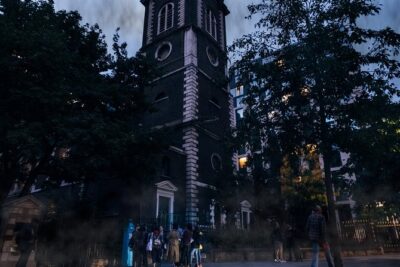
The start time gives the tour an atmospheric setting. East London after dark suits a story involving narrow streets, police investigations, and fear in 1888. Still, the evening timing may not suit everyone. Families with young children or anyone who prefers daytime sightseeing may find the subject and hour less comfortable.
Brick Lane and the East End beyond 1888
Brick Lane is the first major setting. Today, it is known for food, clothing, music, and a mix of cultures. The tour uses that modern street life as a doorway into the area’s older social story.
In 1888, the East End was marked by serious poverty and difficult living conditions. The walk explains the pressures faced by people who lived and worked here, including the women whose stories became linked to the Ripper case. That context is essential. Without it, the murders can seem like isolated events. With it, you begin to understand why the women were vulnerable and why the police struggled to control the situation.
I like that the tour also follows the East End’s later development. You are not asked to imagine that the neighborhood froze in Victorian times. The area has changed greatly in recent decades, and Brick Lane lets the guide discuss that progression alongside the older story.
This contrast is one of the walk’s best features. You may be looking at a popular modern street while hearing about people who faced hunger, unstable housing, and limited choices. The past is not presented as a museum display. It sits beneath an active neighborhood that continues to change.
Brick Lane is also likely to be one of the more energetic portions of the route. Food, shops, and local activity can compete with a guide’s voice. Stay close, listen carefully, and do not assume every stop will happen in a quiet corner.
Spitalfields Market and a living neighborhood
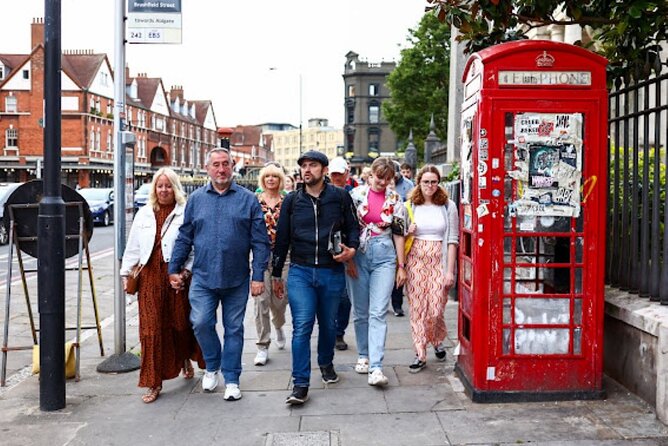
The tour continues through Spitalfields Market, ending at 65 Brushfield Street. The market offers food, clothes, and music, giving the walk a clear connection to present-day London.
This stop helps balance the darker parts of the evening. Jack the Ripper tours can become overly focused on death, but Spitalfields shows you a working, social part of the East End. It also gives the guide a chance to explain how the area has changed from its Victorian struggles into one of London’s popular destinations.
The market is a useful place to finish because it keeps the experience connected to ordinary city life. You are not ending in a theatrical haunted-house setting. You are ending in a public place where people shop, eat, and meet.
There is one practical point to remember. Because the endpoint is at Spitalfields Market rather than the original starting point, plan your onward journey from there. The supplied details do not give a private transfer back to Braham Street. One guide, Nick, went out of his way to help people reach the Tube safely, which is reassuring, but you should still know where you are going after the tour.
Something different for another day:
- Stonehenge, Windsor Castle, and Bath from London
★ 4.5 · 18,662 reviews - London Big Bus Hop-On Hop-Off Tour with Optional River Cruise
★ 3.5 · 10,803 reviews - London Small Group Tour of Historical Pubs
★ 5.0 · 10,422 reviews - Stonehenge, Windsor Castle and Bath with Pub Lunch in Lacock
★ 4.5 · 7,402 reviews
The Ten Bells and the weight of the case
The historic Ten Bells pub is linked with the Ripper case and has appeared in documentaries and films about it. Its presence gives the tour a recognizable landmark, but the important question is how the guide handles that connection.
A lesser tour might treat the pub as a prop. This experience appears to use it as a place to discuss the people and circumstances surrounding the crimes. The setting helps you consider how pubs, lodging houses, streets, and workplaces fit into daily life in the East End.
The Ten Bells can also raise questions about how a murder case becomes part of popular culture. Films and documentaries have repeatedly returned to this pub, which means the building carries both historical associations and a layer of modern storytelling. A thoughtful guide can help you separate what is documented from what has been repeated for dramatic effect.
That factual care is one of the strongest qualities attributed to Nick. He is praised for presenting evidence carefully and for challenging common assumptions. Another guide is praised for taking an angle that goes beyond the familiar suspect debate. If you have already taken several Jack the Ripper walks, this different framing may give you something new to consider.
Do not expect the tour to solve the mystery. The appeal is in examining the case, its evidence, and its setting while recognizing that some questions remain unanswered.
Goulston Street, Elizabeth Stride, and Catherine Eddowes
Goulston Street connects the Ripper case with the events following the double murders of Elizabeth Stride and Catherine Eddowes on September 30, 1888. The stop also relates to the riots that followed, making it one of the most important points for understanding the public fear surrounding the crimes.
This portion should appeal to people who like the investigative side of history. You are not simply hearing where something happened. You are following the movement of people, evidence, rumor, and official response through the streets.
The focus on Stride and Eddowes also reinforces the tour’s concern with the victims. Their names are not treated as footnotes to a famous criminal. Instead, their deaths help explain the panic, confusion, and anger that spread through the area.
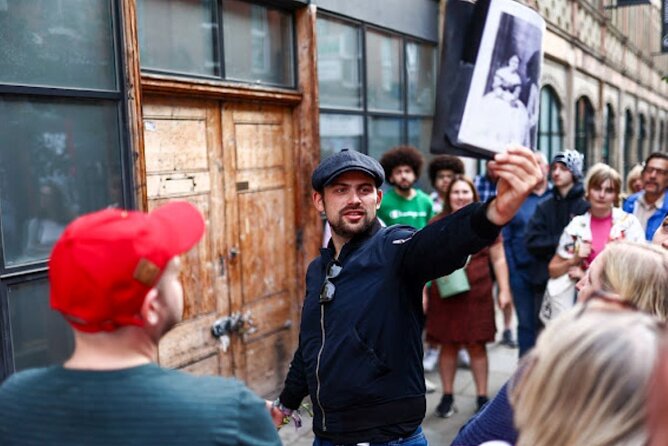
A guide may use photographs on a tablet or mobile device to support the story. Nick has been praised for bringing historical images to the walk, which can help you connect modern streets with their earlier appearance. Such images are useful, but they can also be disturbing. If you are sensitive to crime-scene material, remember that the subject is not softened for family entertainment.
The stop at Goulston Street also shows why local history matters. The Ripper story is often told as a neat sequence of murders. The reality involved public disorder, police pressure, newspaper speculation, and communities struggling to make sense of violence in their midst.
A guide-led story with room for questions
This tour depends heavily on the guide, and that is not a criticism. A walking tour lives or dies by the person leading it. Here, Nick is repeatedly praised for making the experience interactive, funny, theatrical, and respectful. He reportedly encourages questions, includes everyone, and adapts his delivery to the group.
That matters because the subject can become repetitive. You may already know the broad outline of the case. A guide who asks questions and responds to the group can keep the walk fresh. One participant with previous Ripper tours found Nick’s interpretation different and thought-provoking, which suggests that repeat visitors may still find value here.
Nick’s local connection is another advantage. A native East End guide can speak not only about the murders but also about how the area has changed. That gives the tour a sense of place beyond the standard crime route.
The approach is not formal in a lecture-hall way. You can expect conversation, storytelling, and an occasional joke alongside factual material. Some people will love that relaxed style. If you prefer a quiet, strictly academic presentation, the theatrical element may not suit you.
The strongest praise goes to the guide’s handling of the women’s stories. The tour makes room for their work, relationships, hardships, and survival rather than calling them simply prostitutes. That distinction is important and gives the experience more dignity.
Is $24.98 good value for two and a half hours?
At $24.98 per person, this is fairly priced for a 2-hour-30-minute guided walk in central London. You are paying for a live guide, local interpretation, several historic locations, and a route that combines Victorian history with modern East London.
The value is best for people who enjoy listening closely and asking questions. If you only want to see the Ten Bells or take a few atmospheric photographs, you can find cheaper ways to walk around the area. The price makes more sense when you consider the research, storytelling, and interpretation that connect the separate locations.
A group size of up to 40 is worth noting. At full capacity, the walk may feel less personal than a two-person booking. Still, the available experience suggests that guides make a real effort to include the whole group. Nick is praised for involving people rather than speaking over them.
The tour is also a good choice if you have already seen London’s famous sights and want an evening activity in a different part of the city. It does not replace a museum visit or a wider East End history tour, but it can add human context to streets you might otherwise pass without noticing.
Who should book this Jack the Ripper tour?
I would choose this walk if you:
- Enjoy true crime but want more than a list of suspects
- Care about the lives of historical victims
- Like social history, police investigations, and changing neighborhoods
- Prefer a live guide who welcomes questions
- Do not mind walking for most of the evening
- Want to see Brick Lane, Spitalfields, Ten Bells, and Goulston Street together
I would think twice if you dislike grim subjects, want a daytime activity, or prefer a short sightseeing stop with little walking. The tour deals with murder and poverty in a direct way, so it is not suitable for everyone.
Book at least 24 hours ahead if your plans are firm. The experience is often reserved well in advance, with an average booking lead time of 63 days. Free cancellation is available until 24 hours before the start time, but changes or cancellations inside that window are not accepted for a refund.
Final verdict: a thoughtful choice for true crime and history fans
This tour is a strong pick for anyone who wants the Jack the Ripper case placed inside real East End life. The best feature is its moral center: the women are treated as people, not just names attached to a famous killer.
Nick seems to be the guide most often associated with the experience, and his blend of local roots, historical training, photographs, humor, and empathy is a major reason to book. Matt’s wider Victorian focus also adds variety.
At $24.98, the walk offers good value if you want a serious, engaging evening tour rather than a spooky shortcut. Bring comfortable shoes, arrive ready to follow the guide through busy streets, and give the subject the attention it deserves. If that sounds like your kind of London evening, I would book it.
FAQ
Where does the tour start?
The tour starts on Braham Street, London E1, at 7:30 pm.
Where does the tour end?
The tour ends at Spitalfields Market, 65 Brushfield Street, London E1 6AA.
How long does the tour last?
The tour lasts approximately 2 hours and 30 minutes.
What language is the tour offered in?
The tour is offered in English.
How much does the tour cost?
The listed price is $24.98 per person.
Is this a walking tour?
Yes. It is a walking tour, and you should expect to walk a lot.
Which places are included?
The route includes Brick Lane, Spitalfields Market, the Ten Bells pub, and Goulston Street.
Is the Ten Bells pub connected with the Jack the Ripper case?
Yes. The historic Ten Bells pub is linked with the case and has appeared in documentaries and films about it.
How many people can join the tour?
The maximum group size is 40 people.
Can I cancel for a full refund?
Yes. You can cancel up to 24 hours before the start time for a full refund. Cancellations or changes made less than 24 hours before the start time are not accepted for a refund.
Just added around London
- The Private British Museum Tour★ 5.0 · 6 reviews
- London to Southampton Cruise Port | Private Transfer★ 5.0 · 6 reviews
- London’s Chinatown Food Experience★ 4.0 · 6 reviews
- Christmas in Canterbury, Dover and Greenwich with Christmas Lunch★ 4.5 · 6 reviews
- Transfer from Heathrow Airport to London hotel on private car★ 4.5 · 6 reviews
- London Gatwick (LGW) Airport Departure Private Transfer – Hotel to Airport★ 4.0 · 6 reviews
- Jazz Notes – Jazz Jam Ticket★ 5.0 · 6 reviews
- Street Photography Workshops in London★ 5.0 · 6 reviews
Jack the Ripper Tours, compared.
London Jack the Ripper Guided Tour with Ripper-Vision
Read our review →
Ultimate Jack the Ripper : Guided Tour of London
Read our review →
London Jack The Ripper Small-Group Walking Tour
Read our review →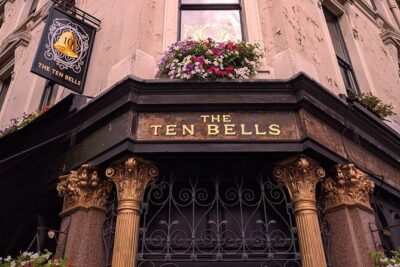

The Original Jack the Ripper Coach Tour of Haunted London
Read our review →
Browse the lists this tour appears in