
Reviewed · JACK THE RIPPER TOURS
Jack the Ripper Private Day Time Walking Tour
Dark streets, hard facts, and modern East London. This private walking tour takes you through Whitechapel, Spitalfields, and Aldgate, where your guide connects the 1888 murders with Victorian poverty, immigrant communities, markets, pubs, and police history. I especially like the private format, which lets you ask questions and set the pace, and the way the route includes both famous murder sites and everyday East End places such as Brick Lane and Old Spitalfields Market. The main drawback is price: at $240.86 per person, it is costly unless you are sharing the experience with several people.
The daytime schedule is a smart choice. You can see the streets clearly, shop or eat along the route, and avoid the theatrical feel of a night walk. Guides Kevin and Stephen receive particularly warm praise for their personal approach, detailed London knowledge, and command of the Ripper case. Stephen is also an author, so ask about his books if he leads your tour.
In This Review
- What makes this Whitechapel walk worth your time
- Starting outside Whitechapel Underground Station
- Setting the Victorian scene in the East End
- From Durward Street to the Royal London Hospital
- Henriques Street, the Whitechapel Bell Foundry, and Gunthorpe Street
- Brick Lane and the pubs tied to the case
- Hanbury Street, Annie Chapman, and Old Spitalfields
- Mary Kelly’s site and Dorset Street
- Synagogue, church, and the human story of Whitechapel
- Goulston Street and Mitre Square
- How the private format affects the experience
- Who should book this walk?
- Final verdict: a strong private choice for the right group
- FAQ
- How long does the Jack the Ripper private walking tour last?
- Where does the tour begin?
- Where does the tour finish?
- What time does the tour start?
- Is the tour private?
- Is transportation between the stops included?
- What is the cancellation policy?
What makes this Whitechapel walk worth your time
- A private route through 20 historic locations: You visit murder sites, pubs, churches, markets, alleys, and places tied to suspects and victims.
- Daylight changes the mood: The streets are easier to understand and photograph, while the subject remains serious rather than turning into a ghost-show performance.
- Modern East London is part of the tour: Brick Lane, street art, markets, mosques, and nightlife help you see the district as a living neighborhood.
- The identity of Jack the Ripper remains unconfirmed: A good guide separates established facts from theories and later speculation.
- Hotel pickup can be arranged: You can meet at a central London hotel or outside Whitechapel Underground Station.
- A useful tour for locals, too: The route adds context to streets many Londoners know only as shops, food stops, or commuter corridors.
Starting outside Whitechapel Underground Station
The published meeting point is 277 Whitechapel Road, just outside Whitechapel Underground Station, with a 10:00 a.m. start. Hotel pickup in central London can also be arranged, which is handy if you are still learning the city’s transport system.
The walk ends at Aldgate Station on Aldgate High Street. Aldgate East Station is only a little farther along the main road, and both stations make it easy to continue sightseeing afterward. You do not need transport between stops because the tour is built as a continuous walk.
The route covers Whitechapel, Spitalfields, and Aldgate. Wear comfortable shoes and expect a city walk with frequent pauses rather than a long march without breaks. The tour lasts about three hours, though the exact pace can depend on questions, photographs, coffee stops, and how much time your group spends at each location.
A daytime start also helps with orientation. Whitechapel is not an open-air museum. It is a busy part of London with roads, businesses, markets, newer buildings, and altered street layouts. Seeing it in daylight lets you compare the old stories with the present-day neighborhood.
More Walking Tours in London
- Tour for Muggles The Ultimate Harry Potter Walking Tour in London
★ 5.0 · 4,684 reviews - London Jack The Ripper Guided Walking Tour
★ 5.0 · 3,131 reviews - Changing of the Guard Guided Walking Tour in London
★ 5.0 · 1,793 reviews
Setting the Victorian scene in the East End
The tour begins by placing the murders within Victorian Whitechapel. That context matters. Without it, the route can become a simple search for grisly locations. With it, you get a better sense of the poverty, overcrowding, immigration, religion, policing, and working life that shaped the district in 1888.
The opening section covers the East End, including Whitechapel, Spitalfields, and Aldgate. Your guide follows the known locations connected with the murders and the people involved, explaining what is established and what remains uncertain.
That distinction is one of the tour’s strongest features. Jack the Ripper’s identity has never been confirmed, despite many suspects and theories. A good private guide can spend more time on the evidence that interests you, instead of rushing through a fixed speech.
From Durward Street to the Royal London Hospital
Durward Street is linked with Mary Ann Nichols, the first victim usually included in the Whitechapel murder sequence. The stop is brief, but it gives you a direct connection to one of the case’s key locations. The fact that the street has changed over time is also important, since modern Whitechapel does not always look like the neighborhood described in old reports.
The Royal London Hospital adds a wider medical and social dimension. The first victim in the Whitechapel murders died there, and an investigation involving a body part led to disturbing findings. Nearby, several inquests took place.
The hospital also connects the area to other chapters of London history. The Elephant Man lived there during the same period, and decades later the surrounding streets were associated with the Kray gangsters. This is where the tour moves beyond a single criminal case and shows how many layers of London history can sit on the same few blocks.
Henriques Street, the Whitechapel Bell Foundry, and Gunthorpe Street
Henriques Street is associated with Elizabeth Stride, whose death began the notorious Double-Event night. The street still has an atmospheric quality, though you should not expect a preserved crime scene. The value is in standing in the location while hearing how the night unfolded.
The Whitechapel Bell Foundry was an East End landmark, and the route uses it to introduce two places connected with a leading suspect. This stop is a reminder that the tour is not limited to confirmed murder sites. It also examines the homes, workplaces, and surroundings linked to the investigation.
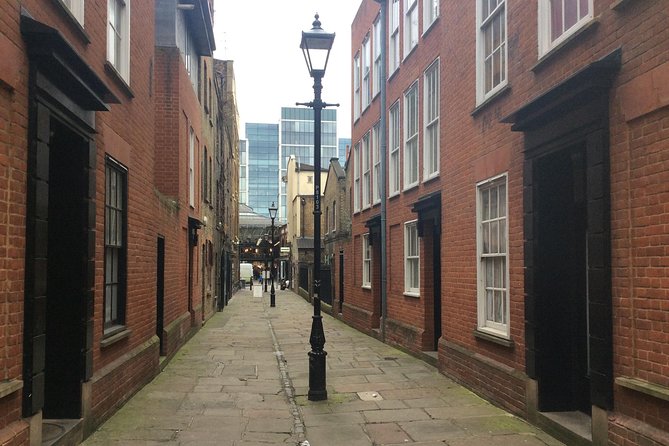
On Gunthorpe Street, you follow the route associated with Martha Tabram. The cobbled lane offers one of the more atmospheric stretches of the walk, then the route turns toward the location where Emma Smith was fatally attacked. These cases are part of the broader Whitechapel murder story, but the level of certainty connecting every death to Jack the Ripper varies. Your guide should help you keep those distinctions clear.
More Jack the Ripper walks:
- London Jack the Ripper Guided Tour with Ripper-Vision
★ 4.5 · 4,840 reviews - Ultimate Jack the Ripper : Guided Tour of London
★ 5.0 · 1,495 reviews - The Original Jack the Ripper : Guided Tour
★ 5.0 · 1,264 reviews - London Jack The Ripper Small-Group Walking Tour
★ 5.0 · 1,013 reviews
Brick Lane and the pubs tied to the case
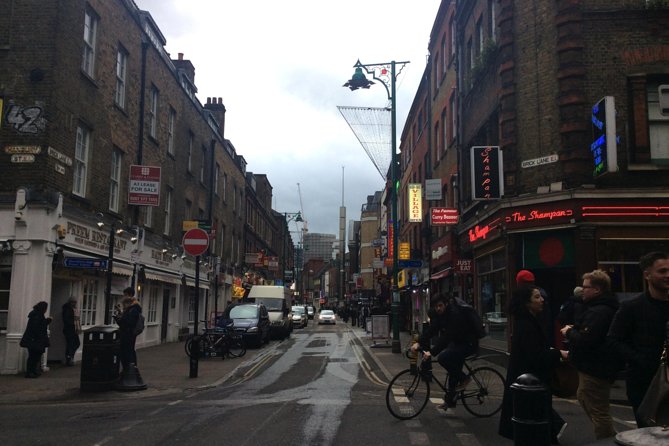
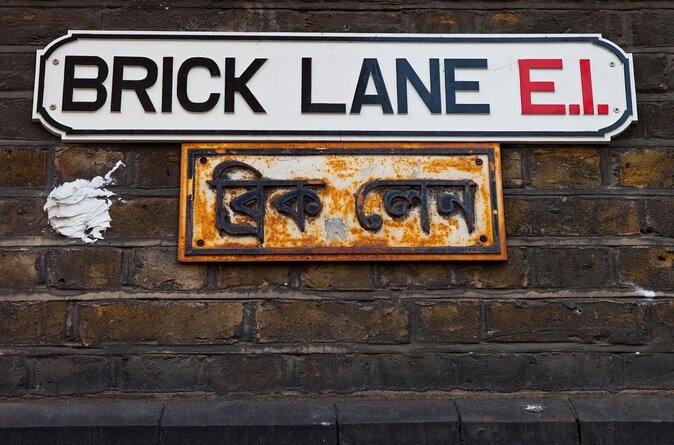
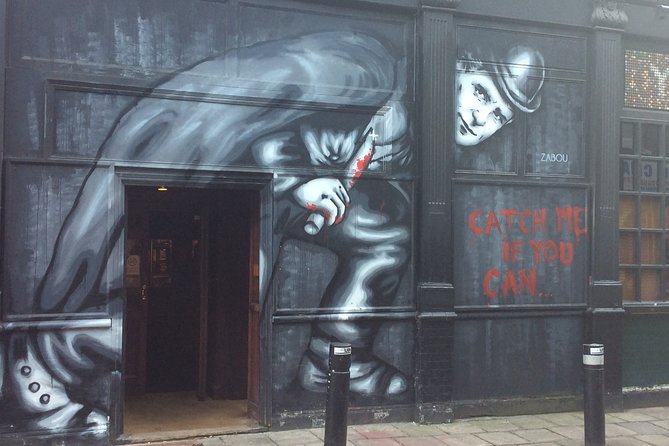
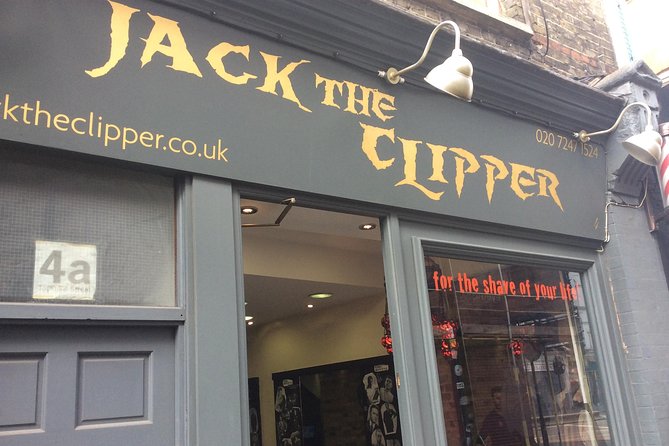
Brick Lane gives the walk a welcome change of pace. In 1888, it sat at the heart of Jack the Ripper territory and served a growing immigrant community. Today it is known for food, markets, street art, and an eclectic nightlife scene.
That contrast is one reason I prefer a daytime tour. You can absorb the old story while seeing the street as it functions now. The route does not freeze Whitechapel in 1888. It shows you a living part of East London.
The White Hart is one of the pubs linked with Jack the Ripper and serves as an early point on the route. The Ten Bells is even more closely associated with the case and with several of the victims. These pubs are not merely atmospheric backdrops. They help explain how people socialized, worked, sought shelter, and crossed paths in the district.
The Brick Lane Hotel is connected with the final night of Mary Ann Nichols. The stop is short, but it adds another location to the chain of events and helps you understand how close together many of the sites are.
Hanbury Street, Annie Chapman, and Old Spitalfields
At 29 Hanbury Street, you visit the site linked with Annie Chapman’s murder. The guide also discusses two other deaths indirectly connected with the case, widening the story beyond the most famous names.
The Ten Bells follows naturally in the route because of its close association with the victims and the Ripper story. Depending on the pace, this may be a good place to ask about how later accounts, popular culture, and competing theories shaped the image of the case.
Old Spitalfields Market is one of the route’s most useful stops for understanding change. The market was already here in 1888, and the tour passes through it while moving among several murder locations. Today you can see shops and food stalls in a setting that still preserves a link to the old commercial life of the area.
The market is also a practical break point. If your private group wants time for a snack, coffee, or a closer look at the shops, tell your guide. One advantage of booking privately is the ability to make reasonable adjustments instead of following a large group’s fixed rhythm.
Mary Kelly’s site and Dorset Street
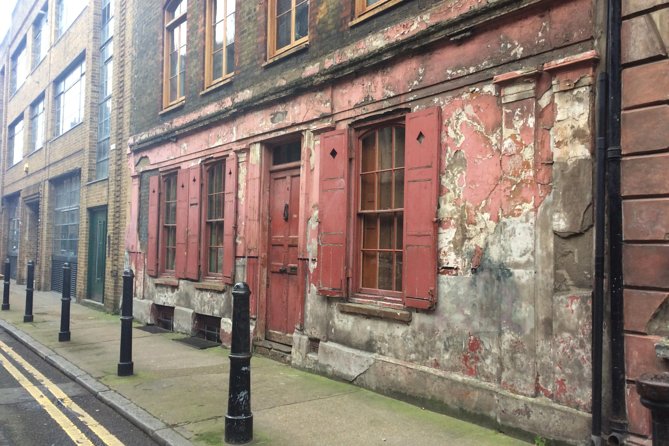
Dorset Street was once called the worst street in London. The original street is no longer intact in the same form, so the tour uses the London Fruit & Wool Exchange area to explain where Mary Kelly was murdered.
This is a useful lesson in historical walking tours: the exact old buildings are not always still there. The guide’s explanation matters more than a dramatic photo opportunity. You are learning how the district’s streets changed and why some locations can only be identified by their modern surroundings.
Mary Kelly’s case also carries wider importance for police history and for the lasting public memory of the murders. The stop helps connect the immediate events with the way the investigation influenced police work and popular ideas about unsolved crime.
Synagogue, church, and the human story of Whitechapel
The Brick Lane Mosque occupies a building that was a synagogue in 1888. The stop recalls the growing Jewish community of the East End and the changing religious life of the street.
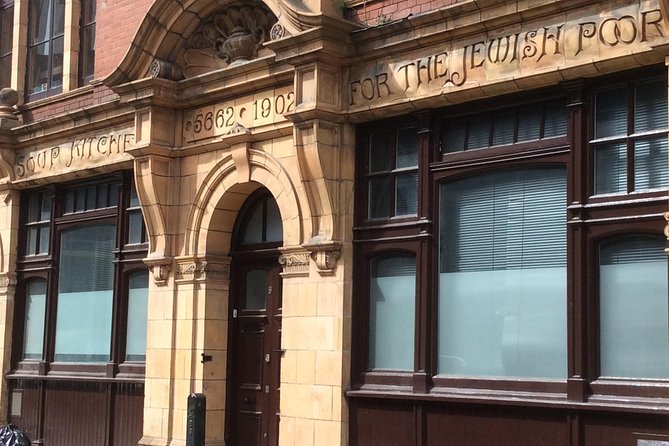
The nearby Soup Kitchen for the Jewish Poor adds a sharper picture of daily hardship. Whitechapel was home to many people living with severe poverty, and charitable institutions were a basic part of survival. These places help explain the social setting around the murders without reducing the victims to names on a crime map.
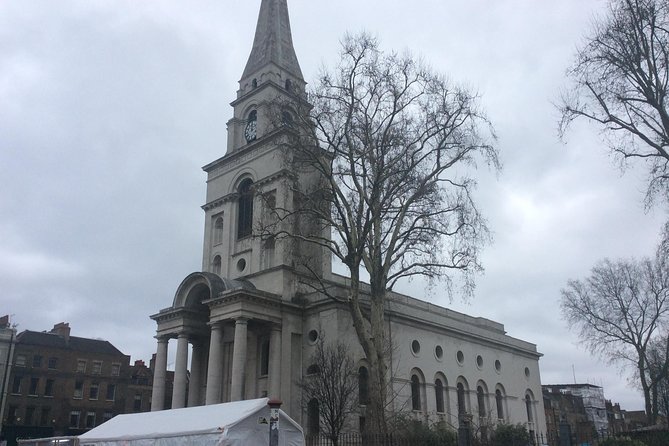
Christ Church Spitalfields provides another important viewpoint. The church played a major role in the lives of local people, while extreme poverty existed all around it. I like this part of the route because it gives the tour a broader moral center. You are not only following a killer. You are learning about a community under pressure.
Goulston Street and Mitre Square
Goulston Street is tied to the only real clue left by Jack the Ripper on the night of the Double-Event murders. This is one of the more important evidence stops, especially if you want the facts of the investigation rather than only its legends.
The final main stop is Mitre Square Garden. It is the one location on the route where you can be certain you are standing exactly where Jack killed Catherine Eddowes. That certainty gives the ending a particular force, even though the modern setting is not the same as it was in 1888.
The tour finishes near the old synagogue and then continues to Aldgate Pump if your legs are willing to take the small diversion. The pump carries its own grim local nickname, the Aldgate Pump of Death. From there, your guide walks you a few minutes back to Aldgate Station.
How the private format affects the experience
A private tour is the right format if you want conversation. You can stop to ask why one suspect is taken seriously, how a particular murder is dated, or which details are later inventions. Guides Kevin and Stephen are praised for making the experience personal rather than simply reciting information.
Stephen is described as an historian and author, with broad knowledge of London beyond the Ripper case. Kevin is praised for his command of the subject and his friendly manner. You cannot guarantee which guide you will receive, but it is worth requesting one by name when booking.
The private setup also helps if your group needs a slower pace or a short break. One couple specifically appreciated being able to pause for tea or coffee and ask questions. Hotel pickup adds another personal touch, particularly for people unfamiliar with London.
There is a tradeoff. A private guide may be excellent, but the experience depends heavily on that individual’s style. You also pay much more than you would for a shared group walk. At $240.86 per person, the value improves if you are traveling with family or friends and can share the cost, but it is a serious price for three hours.
Who should book this walk?
I would choose this tour if you have a strong interest in Jack the Ripper, Victorian London, crime history, or the East End. It also suits London residents who want a fresh reason to explore Whitechapel and Spitalfields.
The walk works well for people who prefer evidence and local context over spooky theatrics. It is also useful for first-time visitors who want to combine a focused history experience with Brick Lane, Old Spitalfields Market, Petticoat Lane Market, and the surrounding streets.
You may want to skip it if the subject of murder and poverty feels too grim for a holiday, or if you mainly want famous London landmarks. This is a specialist walk, not a general sightseeing tour. The daytime setting makes it less theatrical, but the subject remains disturbing.
Most people can take part, and service animals are allowed. The tour is near public transport, but it is still a walking activity, so comfortable footwear is essential.
Final verdict: a strong private choice for the right group
Book this tour if you want the Jack the Ripper story tied to real streets, Victorian social conditions, and present-day East London. The best parts are the private discussion, the range of locations, and the chance to see how Whitechapel has changed.
The price is the key question. For a couple or family that values a personal guide, hotel pickup, flexible questions, and a careful route, it can be worthwhile. For a solo visitor on a tight budget, a shared walk would likely offer better value.
I would request Kevin or Stephen if possible, begin at the Whitechapel meeting point to avoid pickup complications, and leave time afterward for Brick Lane or Old Spitalfields Market. Free cancellation is available up to 24 hours before the start time, which gives you some flexibility if your London plans change.
FAQ
How long does the Jack the Ripper private walking tour last?
The tour lasts approximately three hours.
Where does the tour begin?
It begins at 277 Whitechapel Road, London E1 1BY, just outside Whitechapel Underground Station. Pickup from a central London hotel can also be arranged.
Where does the tour finish?
The tour finishes at Aldgate Station on Aldgate High Street. Aldgate East Station is a short distance farther along the main road.
What time does the tour start?
The listed start time is 10:00 a.m. A later start around 10:30 or 11:00 a.m. may be arranged to avoid rush hour.
Is the tour private?
Yes. Only your own group and the guide take part.
Is transportation between the stops included?
No. The experience is a walking tour, and transportation to and from attractions is not included.
What is the cancellation policy?
You can cancel at least 24 hours before the local start time for a full refund. Cancellations or changes made less than 24 hours before the start are not accepted for a refund.
Just added around London
- The Private British Museum Tour★ 5.0 · 6 reviews
- London to Southampton Cruise Port | Private Transfer★ 5.0 · 6 reviews
- London’s Chinatown Food Experience★ 4.0 · 6 reviews
- London Gatwick (LGW) Airport Departure Private Transfer – Hotel to Airport★ 4.0 · 6 reviews
- Transfer from Heathrow Airport to London hotel on private car★ 4.5 · 6 reviews
- Christmas in Canterbury, Dover and Greenwich with Christmas Lunch★ 4.5 · 6 reviews
- Jazz Notes – Jazz Jam Ticket★ 5.0 · 6 reviews
- Transfer from London Stansted Airport to Central London★ 5.0 · 6 reviews
Jack the Ripper Tours, compared.
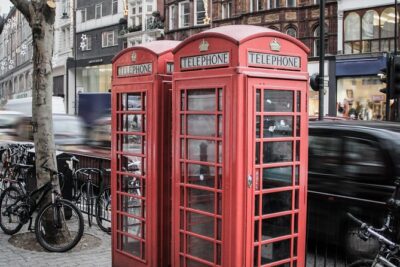
London Jack the Ripper Guided Tour with Ripper-Vision
Read our review →
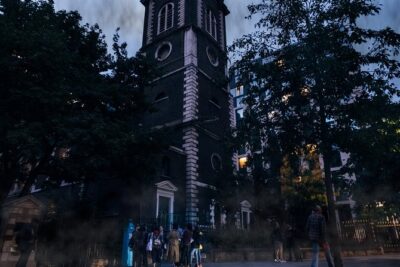
Ultimate Jack the Ripper : Guided Tour of London
Read our review →
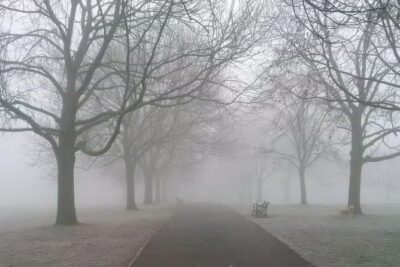
London Jack The Ripper Small-Group Walking Tour
Read our review →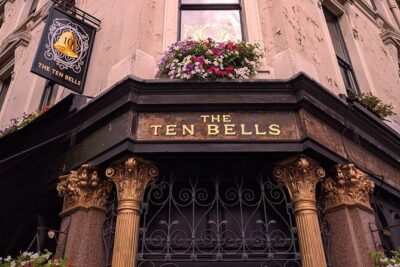

The Original Jack the Ripper Coach Tour of Haunted London
Read our review →
Browse the lists this tour appears in