Reviewed · LONDON TOURS
See Tate Modern with an Art Historian in London
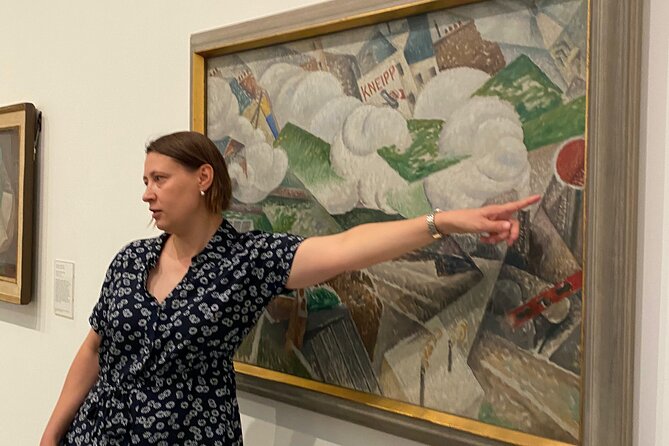
Modern art gets easier with the right questions. This two-hour Tate Modern tour uses an art historian to turn puzzling paintings, sculpture, photography, and political art into an open conversation. I like the small group of no more than 10 people, and I like that the guide asks you to study a work first, then share your own reaction before offering historical context. The main drawback is the price: at $137.12 per person, it is a serious add-on to a museum with free general admission.
The short format works well for a London day packed with sights. You get a guided look at important works, then plenty of time to continue on your own. Guides Julia and Rosa have received especially warm praise for their teaching, humor, and ability to include children and people who usually feel unsure around modern art. One practical caution: paid temporary exhibitions are not included, and the tour has occasionally faced a cancellation when the guide could not attend.
In This Review
- Key points to know before booking
- Why an art historian helps at Tate Modern
- Inside Tate Modern: a guided route through big ideas
- The guide’s teaching style makes the difference
- Small-group size and the value of personal attention
- Two hours is enough for an introduction, not a full museum visit
- What the price includes, and what it does not
- Who will get the most from this Tate visit
- Practical details before you reserve
- Should you book See Tate Modern with an Art Historian?
- FAQ
- How long does the Tate Modern art historian tour last?
- What language is the tour offered in?
- Is Tate Modern admission included?
- Are paid temporary exhibitions included?
- How many people can join the tour?
- Do I need prior art knowledge?
- Where does the tour start and finish?
- Can I cancel for a full refund?
Key points to know before booking
- You learn how to look at art, not just what each work means: The guide begins with your eyes and instincts, then adds art history and cultural context.
- The group is capped at 10 people: This keeps the conversation personal and gives you room to ask questions.
- Julia is a frequent guide praised for her teaching style: She has led interactive tours for adults, couples, families, and children as young as 10 or 11.
- The two-hour length is a useful compromise: You receive expert direction without giving up the rest of your Tate visit.
- General Tate Modern admission is included: You do not need to buy a separate ticket for the permanent collection.
- Temporary exhibitions cost extra: Budget separately if a paid exhibition is part of your museum plan.
Why an art historian helps at Tate Modern
Tate Modern is not difficult because it lacks good art. It is difficult because the collection covers a huge span of modern and contemporary ideas, and the works do not always explain themselves.
A guide gives your visit a clear path. Instead of moving from room to room asking if you are supposed to like what you see, you begin with more useful questions. What am I actually looking at? What choices did the artist make? What was happening in society at the time? Why did this work matter enough for a major museum to display it?
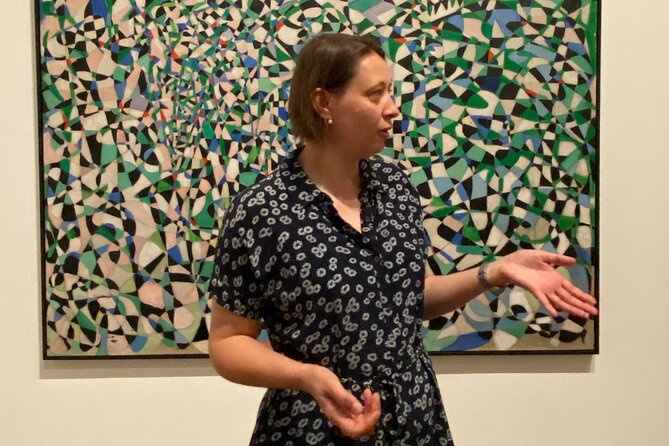
The tour is built around those questions. The guide may ask you to describe a work before giving you the accepted interpretation. That small pause matters. It reminds you that looking at art is not a test with one answer. Your first response can be part of the discussion.
I particularly like this method for modern art. You do not need a degree in art or a list of famous artists memorized. You need curiosity, and perhaps a willingness to admit that a work leaves you puzzled. The guide then connects the visual details to the artist’s ideas, politics, period, and place in art history.
The discussion can cover the origins of abstract art, the changing role of sculpture, photography as an art form, the importance of an artist’s gender, and the question of who gets to decide what counts as art. These are not just museum facts. They give you tools you can use long after you leave the Tate.
Other London trips people book alongside this one:
- Stonehenge, Windsor Castle, and Bath from London
★ 4.5 · 18,662 reviews - London Big Bus Hop-On Hop-Off Tour with Optional River Cruise
★ 3.5 · 10,803 reviews - London Small Group Tour of Historical Pubs
★ 5.0 · 10,422 reviews
Inside Tate Modern: a guided route through big ideas
The exact works shown can vary, since Tate Modern’s displays change. The focus is on highlights from the permanent collection, along with works that help explain wider movements and debates.
You might begin with a famous modern painting, then move to a less familiar work that makes the same period easier to understand. That is a useful balance. Famous pieces give you a sense of why the museum draws such a crowd, while less obvious choices can show how broad the collection really is.
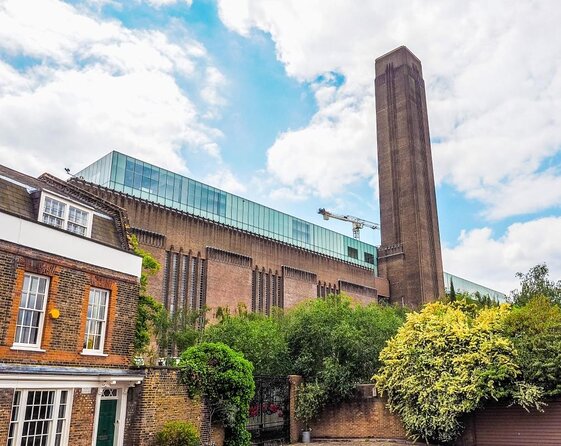
The guide also brings attention to the building and the way the museum presents art. One detailed account praised the tour for covering both the impressive structure and the artwork. That matters at Tate Modern, where the setting shapes your sense of scale and movement through the galleries.
Expect conversation rather than a nonstop lecture. Julia, in particular, has been praised for asking visitors what they see before explaining the work herself. She welcomes different readings rather than shutting down an unusual response. If you have come with a partner or family member who says they do not like modern art, this approach can make the visit feel less intimidating.
The tour may also place art within political and social events. One especially well-regarded experience focused on politically active art and modern abstraction. That kind of context can make a painting or sculpture feel less remote. You begin to see how artists responded to power, conflict, identity, and changing ideas about society.
Do not expect to cover every room. Tate Modern is too large for that in two hours. The goal is a thoughtful selection, not a race through the collection. You will leave with a better sense of how to continue exploring by yourself.
The guide’s teaching style makes the difference
The strongest part of this experience is the guide, so the quality of your visit depends heavily on who leads your group.
Julia is the name most often associated with the tour. She has been praised for her energy, wit, art training, and ability to adjust the conversation to the group. Couples appreciated having the route shaped around their interests. Families valued her ability to involve a 10 or 11-year-old without talking down to the child.
That family point is worth noting. Modern art can lose younger visitors quickly if the guide only gives dates and names. Asking a child what they notice, what a shape might suggest, or how a work makes them feel gives them a role in the visit. Adults benefit from the same method.
Julia’s style also suits people who already know something about art. She can discuss the artist’s historical setting and political views while still leaving room for personal interpretation. You are not limited to a basic introduction.
Rosa has also led the tour. She previously worked at the National Gallery and has a background covering different periods of art. Her presence may appeal to you if you want a guide who can connect Tate Modern’s works to broader art history, rather than treating modern art as a completely separate world.
Because guides can vary, I would ask for Julia if the booking system allows you to request a specific guide. The praise for her is unusually consistent. Still, the experience is described as an art historian-led tour, not a guaranteed private appointment with one named person, so treat that request as a preference rather than a promise.
Small-group size and the value of personal attention
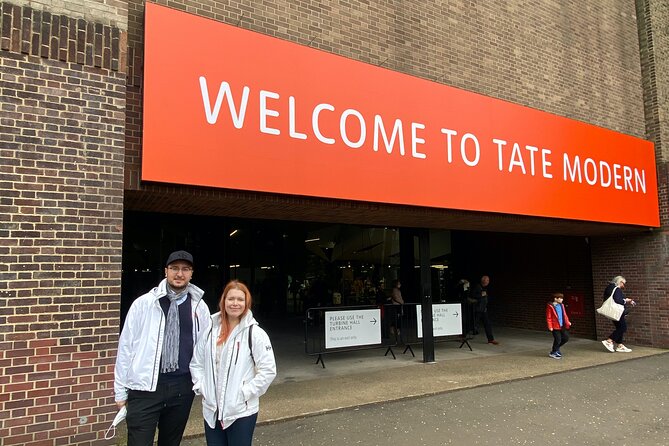
The group limit is 10 people. That is small enough for the guide to hear several opinions and answer questions, though it is not the same as having the museum to yourself.
A smaller group helps in three ways. First, you can speak without trying to interrupt a large crowd. Second, the guide can adjust the pace when one work sparks interest. Third, the discussion can feel more like a shared inquiry than a formal speech.
The format works especially well for solo visitors, couples, families, organized groups, and team-building activities. A solo visitor can join the conversation without needing a companion to discuss the art with. Couples can compare their reactions. Families can use the questions to keep children involved.
The small group also adds value to the price. Tate Modern’s general admission is free, so you are paying mainly for direction, interpretation, and time saved. If you would happily spend several hours reading labels and forming your own route, the charge may be hard to justify. If you want a strong introduction and prefer not to wander through a large museum without a plan, the fee becomes easier to defend.
At $137.12 per person, this is not a bargain museum orientation. It is best viewed as a specialist service. You are paying for a guide who can select useful works, explain why they matter, and help you develop your own way of seeing.
Something different for another day:
- Stonehenge, Windsor Castle and Bath with Pub Lunch in Lacock
★ 4.5 · 7,402 reviews - Tower of London and Crown Jewels Exhibition Ticket
★ 4.5 · 6,677 reviews - Thorpe Park Admission Ticket
★ 4.0 · 5,915 reviews - Stonehenge, Windsor Castle and Bath Full Day Guided Tour
★ 4.5 · 5,346 reviews
Two hours is enough for an introduction, not a full museum visit

The two-hour length is one of the tour’s best practical features. Tate Modern can easily absorb an entire morning or afternoon, but not everyone wants a guided talk for that long.
After the tour ends, you can revisit a work that caught your attention, explore rooms the group did not reach, take a break, or move on to another London sight. The included photograph or two in front of your chosen artworks gives you a small memento without turning the visit into a photo stop.
You should plan to arrive ready to focus. Two hours can pass quickly when the guide encourages discussion, and several people found the time felt short because there was so much to learn. That is a good sign, but it also means you may want to keep your post-tour schedule flexible.
Free luggage storage is included, which can help if you are carrying bags. The meeting point is Tate Modern in London SE1, and the activity returns to that same meeting point. The museum is near public transportation, so reaching the start should be straightforward, though no specific station or route is provided.
What the price includes, and what it does not
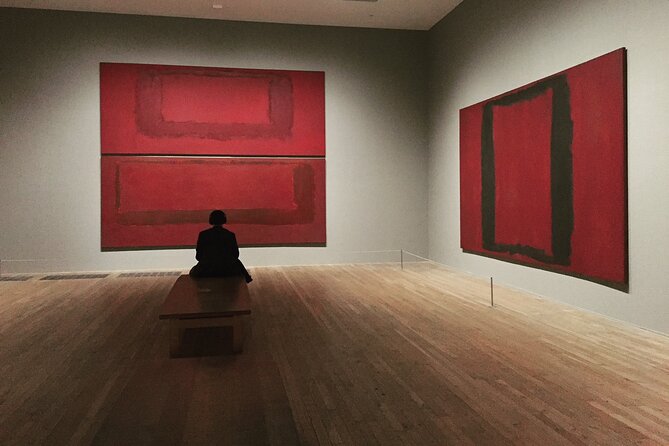
The $137.12 price includes entry to Tate Modern’s general collection, the art historian’s guidance, the small-group experience, and luggage storage. You also receive a photograph or two in front of artworks you choose.
The important distinction is between Tate Modern’s free collection and paid temporary exhibitions. Admission to those special shows is not included. If you want to see one, you will need to pay its separate entry charge.
That distinction has caused some confusion. A guide may sometimes help you see a temporary display as part of an arranged visit, but you should not assume a paid exhibition is covered by this tour. Check the current booking details and budget for the exhibition separately.
Value depends on your museum habits. I would consider the tour worthwhile if you are visiting Tate Modern for the first time, feel uncertain about contemporary art, or want a focused introduction before exploring alone. I would think twice if you already know the collection well or mainly want to wander at your own pace.
The near-perfect 4.8 rating from 27 ratings and the 96 percent recommendation rate suggest strong satisfaction, but the sample is still small. One person had the guide cancel and ended up visiting alone, although a prompt refund was provided. That isolated problem does not define the experience, but it is a fair reminder to keep your booking terms in mind.
Who will get the most from this Tate visit
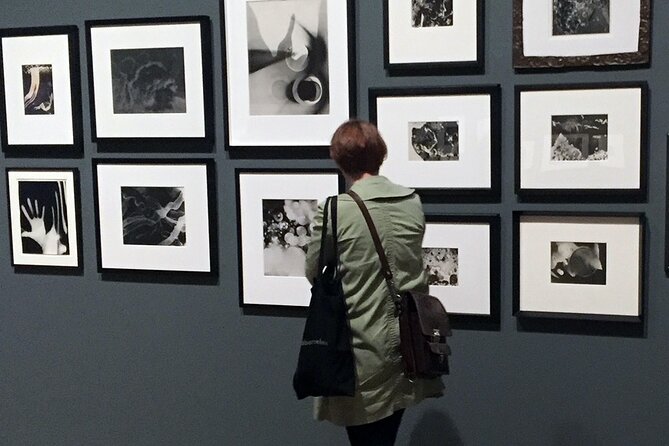
This tour suits you if you want more than a list of artist names. It is a good match for a first-time visitor who wants to understand modern art without feeling tested.
It also works for:
- Couples with different levels of interest in art
- Solo visitors who enjoy discussion
- Families with older children
- People curious about abstraction, photography, sculpture, and political art
- Groups that want a shared cultural activity
- Visitors who prefer a short guided visit followed by free time
You do not need prior art knowledge. You also do not have to like every work. In fact, the guide’s approach is most useful when a piece confuses or annoys you, since those reactions can lead to a better discussion.
The tour may be less suitable if you want a complete sweep of Tate Modern, a quiet self-guided visit, or a guaranteed route through a particular temporary exhibition. It also may not suit a tight budget, since the museum’s regular collection does not charge an admission fee.
Practical details before you reserve
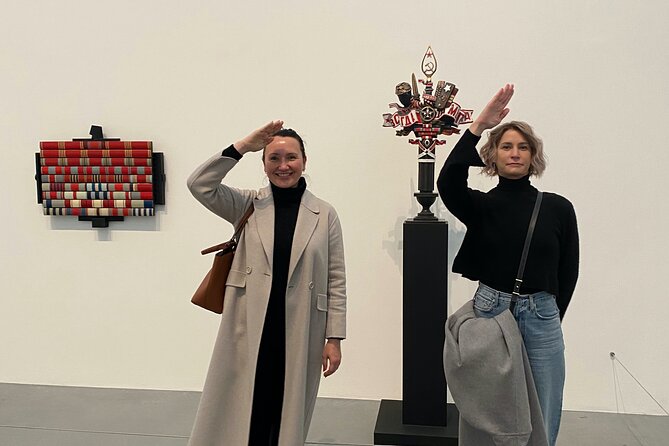
The tour is offered in English and uses a mobile ticket. Confirmation arrives when you book. Service animals are allowed, and most people can take part.
It is sensible to allow time to find the meeting point at Tate Modern and to arrive before the start. The experience begins and ends at the museum, so you can arrange your next activity from there.
Cancellation is free up to 24 hours before the start time for a full refund. Within 24 hours, cancellations and changes are not accepted for a refund. The operator also states that the activity requires good weather and a minimum number of people. If poor weather or low enrollment causes cancellation, you should be offered another date, another experience, or a full refund.
The weather condition is slightly unusual for an indoor museum tour, so check any updates if the forecast is poor. It is also wise not to book a paid exhibition with a tight, nonrefundable time slot immediately afterward.
Should you book See Tate Modern with an Art Historian?
Book it if you want Tate Modern to feel less like a giant collection of difficult objects and more like a conversation about how people see the world. The guide’s questions, historical background, and small-group format can give you confidence that a self-guided visit may not.
I would especially choose it for a first Tate visit, a family outing, or a couple with one enthusiastic art lover and one reluctant companion. Ask for Julia if possible, since her warm, interactive style has been praised again and again. Rosa may appeal if you want a guide with experience across several periods of art.
Skip it if your main goal is to save money or spend hours wandering without a plan. At $137.12, the tour is a premium way to use a free museum. For the right visitor, though, it can turn Tate Modern from a confusing stop into one of the more rewarding cultural experiences in London.
FAQ
How long does the Tate Modern art historian tour last?
The tour lasts approximately two hours.
What language is the tour offered in?
The tour is offered in English.
Is Tate Modern admission included?
Yes. General entry to Tate Modern is included with the experience.
Are paid temporary exhibitions included?
No. Paid-for temporary exhibitions are not included in the tour price.
How many people can join the tour?
The activity has a maximum of 10 travelers.
Do I need prior art knowledge?
No. The tour is designed for everyone, and no previous art knowledge is required.
Where does the tour start and finish?
It starts at Tate Modern in London SE1 and ends back at the same meeting point.
Can I cancel for a full refund?
Yes, if you cancel at least 24 hours before the experience start time. Cancellations or changes made within 24 hours are not refunded or accepted.
Just added around London
- The Private British Museum Tour★ 5.0 · 6 reviews
- London’s Chinatown Food Experience★ 4.0 · 6 reviews
- London to Southampton Cruise Port | Private Transfer★ 5.0 · 6 reviews
- London Gatwick (LGW) Airport Departure Private Transfer – Hotel to Airport★ 4.0 · 6 reviews
- Christmas in Canterbury, Dover and Greenwich with Christmas Lunch★ 4.5 · 6 reviews
- Transfer from Heathrow Airport to London hotel on private car★ 4.5 · 6 reviews
- Jazz Notes – Jazz Jam Ticket★ 5.0 · 6 reviews
- Street Photography Workshops in London★ 5.0 · 6 reviews
London Tours, compared.

Stonehenge, Windsor Castle, and Bath from London
Read our review →
London Big Bus Hop-On Hop-Off Tour with Optional River Cruise
Read our review →

Stonehenge, Windsor Castle and Bath with Pub Lunch in Lacock
Read our review →
Tower of London and Crown Jewels Exhibition Ticket
Read our review →

Stonehenge, Windsor Castle and Bath Full Day Guided Tour
Read our review →