
Reviewed · CITY TOURS
Slave Trade Money Trail Tour in the City of London
London’s wealth has a story many tours skip. The Slave Trade Money Trail Tour follows that story through the City of London, linking grand buildings, banks, insurance, shipping, and markets to the transatlantic slave trade. I like the focus on real places rather than a classroom lecture, and I like that guide Darrel Blake uses a booklet, personal artifacts, questions, and memory checks to keep the group involved. The main drawback is its serious subject matter, which may feel emotionally heavy, and the tour depends on good weather.
The three-hour walk costs $48.01 per person and ends at Borough Market after beginning near the Royal Exchange. I like the clear route and the small maximum group of 30, though you should bring water, expect to walk and stand outdoors, and remember that lunch is not included.
In This Review
- Key points at a glance
- Why this London walk matters
- Starting at the Royal Exchange
- The Bank area and the money behind slavery
- Fenchurch Street and the shipping economy
- Lloyd’s of London and the cost of insurance
- Borough Market and goods made through enslaved labor
- Darrel Blake’s teaching style
- What the three-hour format means for you
- Is $48.01 a fair price?
- Who should book this experience?
- Should you book the Slave Trade Money Trail Tour?
- FAQ
- Where does the Slave Trade Money Trail Tour start?
- Where does the tour finish?
- How long does the tour last?
- How much does the tour cost?
- What language is the tour offered in?
- Is lunch included?
- How large can the group be?
- Can I cancel for a full refund?
Key points at a glance
- A financial history walk: See how the Bank area, the Royal Exchange, Fenchurch Street, Lloyd’s of London, and Borough Market connect to slavery and colonial trade.
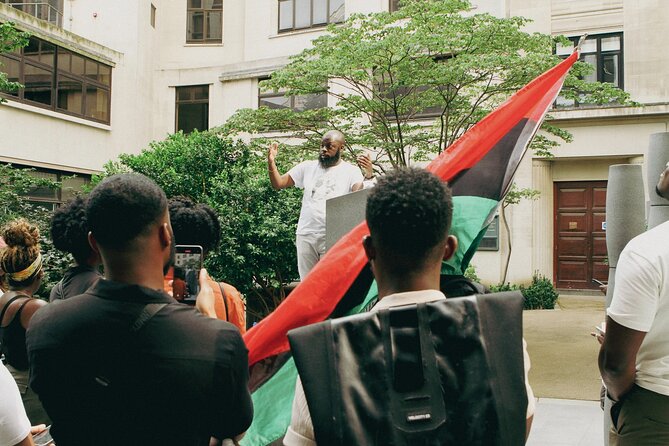
- Darrel Blake leads the experience: His teaching style combines clear explanations, personal stories, artifacts, questions, and audience participation.
- The Royal Exchange is an important opening stop: This grand former center of commerce helps explain how trade and finance supported the wider system.
- Fenchurch Street gets the longest visit: Fifty minutes are set aside for shipping companies and the businesses that profited from the trade.
- Borough Market closes the route: The tour links sugar, tobacco, and other goods made through enslaved labor to a place still familiar to modern London.
- Plan for a thoughtful afternoon: The tour is best for history buffs, families with older children, and anyone seeking a fuller account of London’s wealth.
Why this London walk matters
Most sightseeing in the City of London points your eyes upward. You see grand facades, old trading halls, banks, and insurance offices. This tour asks you to look again, this time at the money behind the buildings.
The subject is the British role in the transatlantic slave trade from its roots through abolition and into its lasting effects. You are not simply hearing about ships crossing the Atlantic. You are tracing the financial system around them: investment, shipping, insurance, commercial exchange, and the sale of goods produced by enslaved labor.
That approach makes the experience useful. It connects a large and painful subject to street corners you can actually visit. The City of London is not treated as a backdrop. Its institutions form the main evidence.
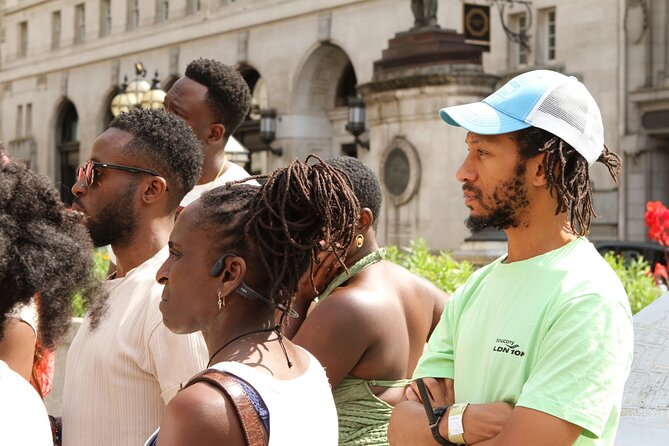
Darrel Blake’s presentation is central to the tour. His style is direct and personal, with a strong emphasis on facts and proof. He also asks questions and checks that you have understood what you have just heard. That makes the three-hour walk more active than a standard monologue.
You should come ready to listen closely. The tour deals with exploitation, inherited wealth, racism, and the social effects of slavery. It is educational, but it is not light entertainment. That is precisely why it may be one of the most useful history experiences you add to a London visit.
More City Tours in London
- City Sightseeing London Hop-On Hop-Off Bus Tour & Bookable Extras
★ 4.0 · 1,224 reviews - Eating London: The Heart of ‘The City’ Food Tour
★ 5.0 · 206 reviews - London Luxury Dinner Experience with Panoramic City Views
★ 4.5 · 174 reviews
Starting at the Royal Exchange
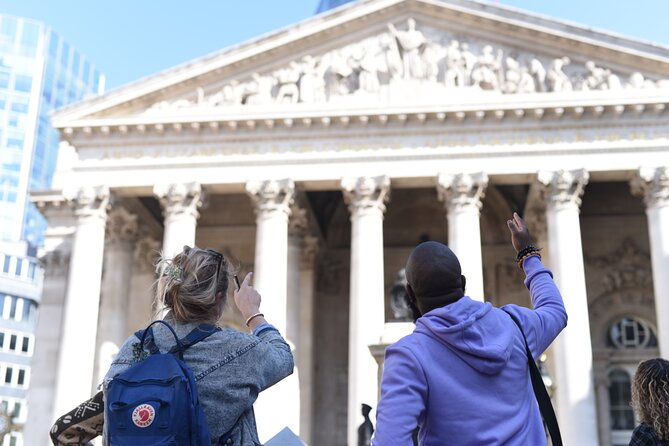
The meeting point is the Royal Exchange at 12:00 p.m. in the City of London. This is a practical place to begin because the building itself sets up the subject: commerce, finance, and the people who controlled major flows of money.
The Royal Exchange was once the center of London’s commercial life. On this tour, you examine how that commercial world helped facilitate the transatlantic slave trade. The point is not that every person using the building was directly involved in every part of the trade. The point is that a broad financial and commercial system helped support it.
You spend about 20 minutes here. Admission is free, so the cost of the experience goes toward the guided interpretation rather than entry tickets. Take a moment before the talk starts to notice the scale and formality of the building. Its grandeur helps you understand how trade was presented as respectable business, even when the goods and profits depended on human bondage.
The tour starts outside, and the meeting point is easy to identify by its prominent location. Since this is a walking experience, arrive with enough time to find the Royal Exchange and settle in before noon.
The Bank area and the money behind slavery
The first portion takes place in the historic Bank area, where you spend about 15 minutes examining financial institutions linked to the transatlantic slave trade. This opening section provides the basic framework for the rest of the walk.
You begin to see that slavery did not operate as an isolated plantation system far from Britain. Banks, investors, merchants, and commercial institutions in London could be connected to the trade and to the wealth it produced.
This is where the booklet becomes useful. You receive it as part of the tour, giving you something to follow during the walk and consult afterward. A booklet cannot replace the guide’s explanations, but it can help you keep names, connections, and locations straight.
I especially like this early stop because it changes how you read the City. A modern financial district can feel abstract, filled with offices and hurried commuters. The tour gives those streets a past tied to decisions made by people who may never have crossed the Atlantic themselves.
The Bank section is short, so listen for the larger pattern rather than expecting a long stop at each institution. It is the foundation for the more detailed discussion later in the route.
Fenchurch Street and the shipping economy

At 20 Fenchurch Street, the tour slows down for its longest stop, about 50 minutes. This is where you examine the shipping industry and the major companies based in the area that profited from the transatlantic slave trade.
The extra time matters. Shipping is one of the clearest ways to understand how the system worked. Ships, cargo, merchants, owners, insurers, and financiers all formed part of a commercial chain. The people forced into slavery were treated as cargo within that system, a fact the tour places alongside the institutions that gained from it.
You also consider Fenchurch Street’s place in the British economy during the period from the 17th to the 19th centuries. The discussion connects local offices to wider patterns of economic growth and urban development.
This is likely to be the most information-heavy stop. If you prefer short bursts of sightseeing, 50 minutes may feel long. If you want evidence, context, and time for questions, it is one of the strongest parts of the route.
Darrel Blake’s teaching method helps here. He does not simply deliver a list of names and dates. He asks you to recall information and make connections. That can feel demanding, but it also makes the material easier to remember.
Something different for another day:
- Stonehenge, Windsor Castle, and Bath from London
★ 4.5 · 18,662 reviews - London Big Bus Hop-On Hop-Off Tour with Optional River Cruise
★ 3.5 · 10,803 reviews - London Small Group Tour of Historical Pubs
★ 5.0 · 10,422 reviews - Stonehenge, Windsor Castle and Bath with Pub Lunch in Lacock
★ 4.5 · 7,402 reviews
Lloyd’s of London and the cost of insurance
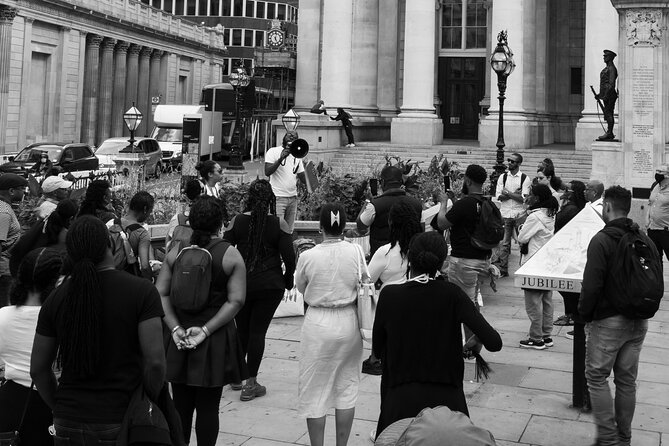
The next stop is Lloyd’s of London, where you spend about 20 minutes looking at the institution’s role in underwriting the transatlantic slave trade.
Insurance is easy to overlook when you learn about slavery. Yet ships and cargo involved serious financial risks, and underwriting helped commercial ventures proceed. The tour shows why insurance belongs in the story alongside banks, merchants, and shipowners.
This stop broadens your understanding of profit. Money was not made only when goods were sold. It also flowed through the financial arrangements that made voyages possible and helped protect investments.
Lloyd’s is one of London’s famous financial names, which makes this stop especially effective for visitors who know the institution only through its modern reputation. The walk does not ask you to view a landmark as an isolated monument. It places the institution within a wider history of commerce and human exploitation.
You should expect to remain outside rather than treat this as an interior museum visit. The value comes from the guide’s explanation and the location itself.
Borough Market and goods made through enslaved labor
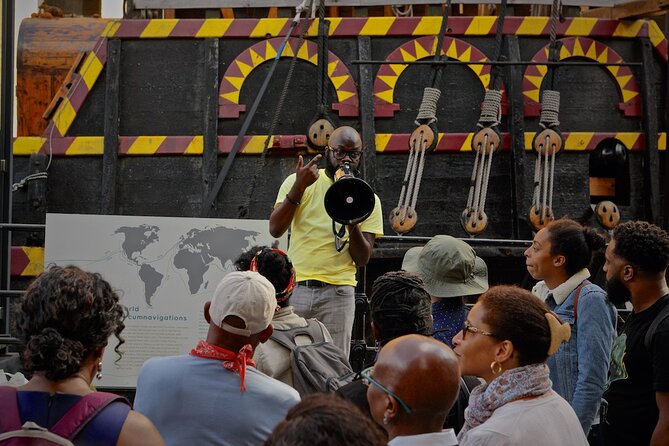
The route ends at Borough Market in Southwark, about 20 minutes from the previous stop. Borough Market is a popular food destination today, but the tour asks you to think about its earlier role as a trading hub.
Here, you explore links between the market and goods such as sugar and tobacco, products associated with enslaved labor. This creates a strong final connection between the financial institutions of the City and the everyday commodities that moved through London’s markets.
The ending also gives the tour a useful shift in scale. You begin with banks and insurers, then finish with goods that people could buy, consume, and trade. The system depended on both elite financial power and ordinary commercial demand.
Admission to Borough Market is not included, although no separate ticket is specified for the stop itself. Lunch is also not included, so you can decide afterward if you want to eat there. Since Borough Market is the endpoint, the location offers a convenient place to continue your afternoon, but the food cost is your responsibility.
The market can be lively, so stay focused during the final talk. The contrast between a popular modern attraction and its links to exploitation is part of the lesson.
Darrel Blake’s teaching style

The strongest praise for this experience centers on Darrel Blake. His delivery is described as clear, concise, passionate, and personal. He uses artifacts to make the subject more concrete, and he encourages questions rather than keeping the group silent.
One particularly useful feature is his habit of checking memory. He may ask you to recall a point from earlier in the walk or connect one institution to another. That approach helps you follow a complicated subject without reducing it to a simple list.
The personal side of his presentation also matters. The tour is connected to questions of ancestry, identity, and the experience of people with Caribbean backgrounds in Britain. It does not present slavery as a closed chapter with no connection to modern London.
That directness will suit you if you want an honest account rather than a softened version of the past. It may not suit you if you prefer sightseeing with only occasional historical commentary.
Families can also benefit from the format. The experience has been used by groups that included young people aged 13 and 15, and the guide’s questions can help older children stay engaged. Parents should still decide if the subject is suitable for their children, since the material includes disturbing facts about slavery and exploitation.
What the three-hour format means for you
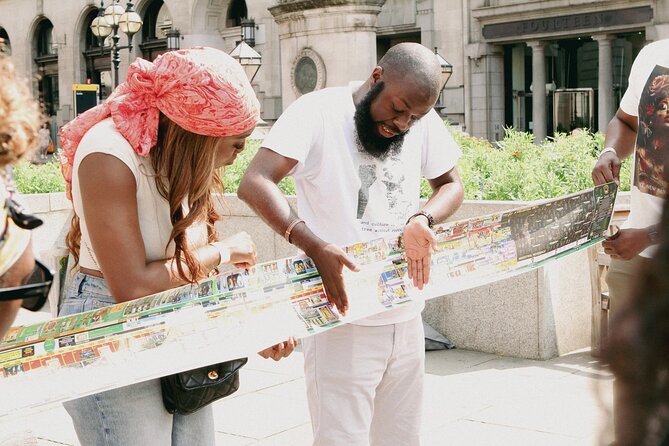
A three-hour walking tour gives you enough time to build a connected argument, but it also asks for patience. The route includes five stops, with the longest sessions at Fenchurch Street and the Royal Exchange area.
You will spend time outdoors, standing and walking between locations. The experience requires good weather, and poor conditions can lead to a different date or a full refund. Wear sensible shoes and check the forecast before you go.
The group can contain up to 30 people. That is not a private tour, but it is still a manageable size for a guided city walk. The guide’s question-and-answer style should help create participation, though your experience may depend on how active the group is.
The tour is offered in English and includes a mobile ticket. Most people can take part, and service animals are allowed. It is near public transportation, which makes the City of London start and Southwark finish fairly practical within a day of sightseeing.
Bring water, since bottled water is not included. You should also plan your own lunch or snack, especially because the tour ends at Borough Market rather than including a meal.
Is $48.01 a fair price?
At $48.01 per person, this is not the cheapest way to spend three hours in London. You are paying for a specialist subject, a dedicated guide, a booklet, and a route that links several major institutions through one argument.
The value is strongest if you would otherwise pass these places without understanding their connection to slavery and colonial trade. A self-guided walk could show you the buildings, but it would not necessarily explain how finance, insurance, shipping, and consumer goods fitted together.
The price also includes the guide but not lunch, water, or admission to any paid attraction. Since the listed stops are primarily outdoor locations, you are not paying for a collection of museum entries.
I would consider it good value for history buffs, people studying Britain’s colonial past, and anyone researching Caribbean or African heritage. It is less appealing if you want panoramic views, famous interiors, or a relaxed introduction to London.
The fact that the tour is often booked about 42 days in advance suggests you should not leave planning until the last minute if your dates are fixed. Free cancellation is available up to 24 hours before the start time, which gives you some flexibility.
Who should book this experience?
I would recommend it most strongly to:
- People who want London history connected to finance and colonialism.
- History buffs who prefer a focused subject over a general sightseeing route.
- People exploring African or Caribbean heritage.
- Families with older children who can engage with difficult material.
- Students and educators looking for a place-based history lesson.
- Anyone who wants to question the polished story often told about British wealth.
You may want to skip it if you are looking for a cheerful break between museums. The tour can be emotionally powerful, and the subject deserves attention rather than casual multitasking.
It is also worth knowing that the experience does not appear to include a museum visit or interior access to every institution. Its strength is the guide’s interpretation of public streets and buildings.
Should you book the Slave Trade Money Trail Tour?
Book this tour if you want to understand how London’s financial power was linked to the transatlantic slave trade. The route is clear, the subject is specific, and Darrel Blake brings energy, personal commitment, artifacts, and firm historical explanation to the walk.
I would choose it early in a London visit if you want the rest of the City to look different afterward. The Royal Exchange, Fenchurch Street, Lloyd’s, and Borough Market may seem familiar or fashionable, but this experience gives you another way to read them.
Skip it if you want a light, general tour or if three hours of difficult history would make your day feel too heavy. For the right audience, though, the $48.01 fee buys more than a walk between landmarks. It gives you a serious framework for understanding how wealth was made, protected, traded, and remembered.
FAQ
Where does the Slave Trade Money Trail Tour start?
The tour starts at the Royal Exchange, London EC3V 3LL, at 12:00 p.m.
Where does the tour finish?
The tour ends at Borough Market, London SE1 9AL.
How long does the tour last?
The experience lasts approximately three hours.
How much does the tour cost?
The listed price is $48.01 per person.
What language is the tour offered in?
The tour is offered in English.
Is lunch included?
No. Lunch and bottled water are not included.
How large can the group be?
The tour has a maximum group size of 30 people.
Can I cancel for a full refund?
Yes. You can cancel at least 24 hours before the start time for a full refund. Changes or cancellations made less than 24 hours before the start time are not accepted for a refund. If poor weather causes the tour to be canceled, you will be offered another date or a full refund.
Just added around London
- The Private British Museum Tour★ 5.0 · 6 reviews
- London to Southampton Cruise Port | Private Transfer★ 5.0 · 6 reviews
- London’s Chinatown Food Experience★ 4.0 · 6 reviews
- Christmas in Canterbury, Dover and Greenwich with Christmas Lunch★ 4.5 · 6 reviews
- Transfer from Heathrow Airport to London hotel on private car★ 4.5 · 6 reviews
- London Gatwick (LGW) Airport Departure Private Transfer – Hotel to Airport★ 4.0 · 6 reviews
- Jazz Notes – Jazz Jam Ticket★ 5.0 · 6 reviews
- Transfer from London Stansted Airport to Central London★ 5.0 · 6 reviews
City Tours, compared.


Liverpool City Sights Hop On Hop Off City Tour – 24hr Ticket
Read our review →
1.5-hour Oxford City and University Walking Tour
Read our review →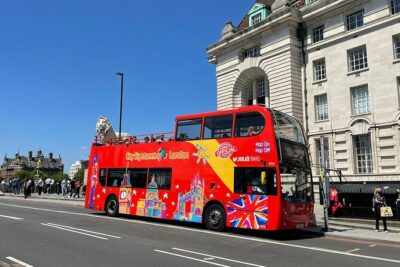
City Sightseeing London Hop-On Hop-Off Bus Tour & Bookable Extras
Read our review →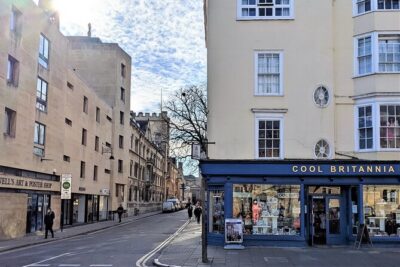
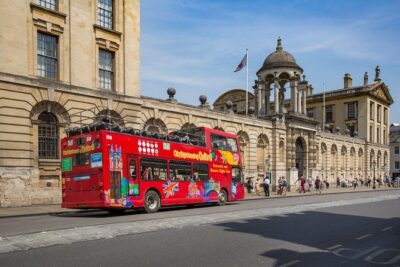
City Sightseeing Oxford Hop-On Hop-Off Bus Tour
Read our review →
Browse the lists this tour appears in