

Reviewed · WALKING TOURS
Slavery and City of London Walking Tour
Britain’s past is written into ordinary streets. This 90-minute City of London walk connects Roman slavery, the East India Company, sugar wealth, and abolition to places you might otherwise pass without a second look. I like the way it joins major landmarks with overlooked corners, and I like the guide Sam’s lively, well-researched storytelling. The main consideration is that the subject is serious, and the route may run closer to two hours than the advertised estimate.
This is not a standard roll call of London’s famous sights. You will see St Paul’s Cathedral and the Bank of England, but the focus is on the money, institutions, and people tied to slavery and its abolition. The group can include up to 35 people, so it should feel social but not especially intimate.
In This Review
- Key points at a glance
- Why this London walk is different
- Starting at Tower Hill and the Roman wall
- East India House and the machinery of trade
- Fenchurch Street and the Gilt of Cain
- Jamaica Wine House and the sugar trade
- St. Mary Woolnoth and John Newton
- The Bank of England and financial responsibility
- The Royal Africa Company and St Paul’s
- How the timing, group size, and price work
- Who will get the most from this walk
- Should you book the Slavery and City of London Walking Tour?
- FAQ
- Where does the tour start?
- Where does the tour finish?
- How long does the tour last?
- How much does the tour cost?
- How large is the group?
- Are the stops free to enter?
- What happens if the tour is canceled?
Key points at a glance
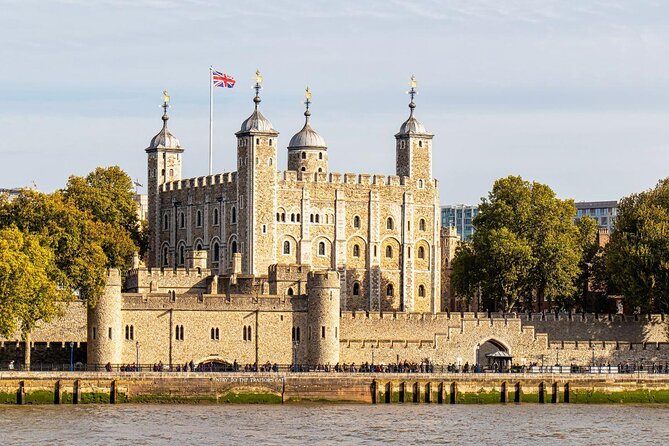
- Roman London begins the story: See part of the wall of Londinium and learn how Britons themselves were taken as slaves.
- The City’s money trail is clear: East India House, Jamaica Coffee House, and the Bank of England all help explain how trade and finance supported empire.
- Abolition has a local address: Granville Sharp and John Newton bring the campaign against slavery into focus.
- The Gilt of Cain adds a modern memorial: This sculpture near Fenchurch Street remembers the abolition of the transatlantic slave trade.
- Sam brings extra depth: His talks connect architecture, oral history, imagery, Roman London, and Victorian London.
- Plan for a central London finish: The published details refer to Aldgate Station, while the walk description also places the finish by St Paul’s station, so confirm the exact endpoint before setting off.
Why this London walk is different
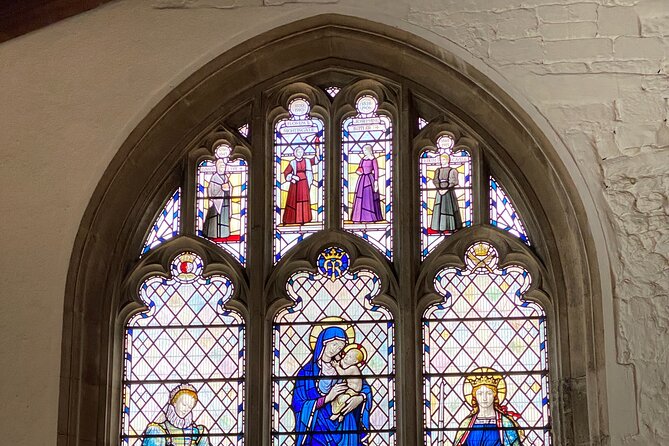
The City of London can feel like a parade of grand stone buildings, narrow lanes, and financial offices. This walk asks you to read those streets in another way. Instead of treating the City as a backdrop, it shows how institutions and commercial networks helped shape Britain’s wealth.
I find that approach useful because slavery is often presented as a distant story connected only with plantations overseas. Here, the subject is tied to addresses in central London. You move from a Roman wall to company headquarters, coffee trading, a church, a bank, and a cathedral. The route makes a point that is easy to miss on a normal sightseeing walk: decisions made in London affected lives across the Atlantic and beyond.
Sam’s style also seems suited to visitors who want more than a memorized speech. His work draws on architectural clues, oral history, and images collected through his studies. The feedback describes him as clear, funny, spirited, and able to turn the walk into a conversation about London rather than a simple march between stops.
That said, this is not a light sightseeing outing with a little background history added. The material includes enslavement, racial exploitation, and the financial systems that supported it. You should choose it because you want to think about those subjects while walking through the City, not simply because you want a quick introduction to London landmarks.
More City Tours in London
- City Sightseeing London Hop-On Hop-Off Bus Tour & Bookable Extras
★ 4.0 · 1,224 reviews - Eating London: The Heart of ‘The City’ Food Tour
★ 5.0 · 206 reviews - London Luxury Dinner Experience with Panoramic City Views
★ 4.5 · 174 reviews
Starting at Tower Hill and the Roman wall
The meeting point is at Tower Hill, near Trinity Square, with a listed start time of noon. That location is practical for a City walk, since Tower Hill is close to major public transport and the Tower of London area. You are quickly placed in one of London’s most layered parts, where Roman, medieval, royal, and commercial stories overlap.
The first major stop is the Roman wall of Londinium. This wall helped define the settlement founded around 2,000 years ago. The important twist is that the slavery story does not begin with Britain’s overseas empire. The Romans enslaved Britons, and the tour uses their complaints about the supposed laziness of the British as a sharp reminder that ancient writers often used stereotypes to justify domination.
The wall itself is a short stop, listed at about five minutes, and admission is free. Do not expect a long visit inside a museum. The value comes from the explanation around the remaining structure, including the point that an African Roman emperor was associated with the building of the wall. That detail gives the opening a broader view of Roman London and challenges the narrow picture of ancient Britain many people carry.
You will also hear about the City of London as a distinct legal area, with its own mayor and police force. This is useful context for understanding why the route feels like a tour of a city within a city. The surrounding office blocks may look modern, but the boundaries and institutions beneath them have very old roots.
East India House and the machinery of trade
The next part of the walk brings you to the former site of East India House. It was the headquarters of the East India Company, a powerful trading body whose activities reached far beyond the streets of London. The company relied on slave labor and trafficked in enslaved people from East and West Africa.
This stop helps you see how slavery was supported not only by plantations and ships, but also by offices, shareholders, contracts, and commercial planning. The building is no longer there in its original form, so the guide’s explanation matters. You are using the modern street to picture an institution that helped direct a global system.
I appreciate this kind of stop because it makes the City’s wealth easier to understand. A polished headquarters can seem neutral when you pass it on a regular walk. Once you know what business was conducted there, the address carries a different weight.
The route does not appear to rely on entry tickets, which keeps the attention on the street and the guide. That also means the experience depends heavily on Sam’s delivery. If you prefer museums with displays, labels, and objects, you may want to pair this walk with a separate museum visit. If you like learning through buildings and place names, this format should work well.
Fenchurch Street and the Gilt of Cain
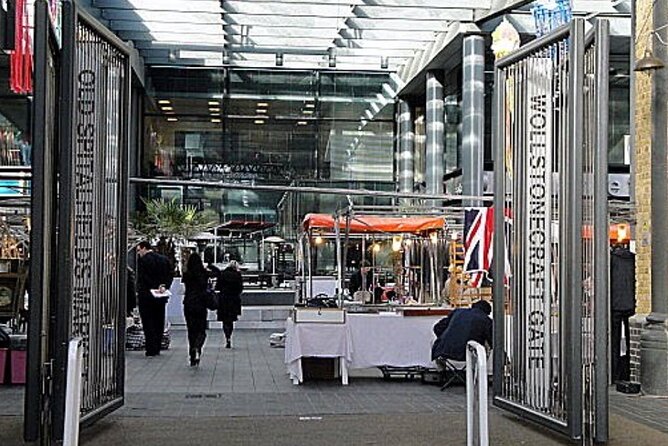
At Fenchurch Street, the route reaches Fen Gardens and the Gilt of Cain sculpture. This work commemorates the abolition of the transatlantic slave trade. It gives the walk a physical memorial rather than another financial address, and it shifts the focus from the systems that profited to the long campaign that opposed them.
The stop lasts about 10 minutes and is free to view. This is a good point to pause and let the meaning of the route settle. You have just considered the companies and institutions connected with exploitation. Now you encounter a public marker of abolition, placed within the same central district.
The walk’s tone is described as positive and uplifting without ignoring the harm involved. That balance is important. A tour about slavery can easily become either too bleak or too quick to soften the subject. The route seems to use specific people, buildings, and memorials to show both the damage and the work of those who challenged it.
More Walking Tours in London
- Tour for Muggles The Ultimate Harry Potter Walking Tour in London
★ 5.0 · 4,684 reviews - London Jack The Ripper Guided Walking Tour
★ 5.0 · 3,131 reviews - Changing of the Guard Guided Walking Tour in London
★ 5.0 · 1,793 reviews - The Great British Rock and Roll Walking Tour
★ 5.0 · 1,371 reviews
Jamaica Wine House and the sugar trade
The Jamaica Wine House occupies the site of the Jamaica Coffee House, often described as London’s first coffee house. In the 18th century, it became a hub for the sugar trade and the plantation economy of the West Indies.
This is one of the route’s most effective everyday-history stops. A coffee house sounds social and harmless until you learn how closely it was tied to trade built on enslaved labor. The point is not that every person who entered the establishment had the same role, but that fashionable commercial and social spaces could sit directly beside an economy based on forced work.
You may already know the Jamaica Wine House as a pub or a recognizable City address. The tour gives it another layer. It shows how food, drink, finance, shipping, and conversation were linked to imperial commerce. That is the sort of detail that can change the way you see London after the walk ends.
The stop also sits close to the next part of the story, which concerns abolition. One especially striking feature of the route is the physical closeness between places connected with the slave trade and places connected with the campaign to end it. London’s past was not divided into neat districts of wrongdoing and resistance. Both were part of the same urban world.
St. Mary Woolnoth and John Newton
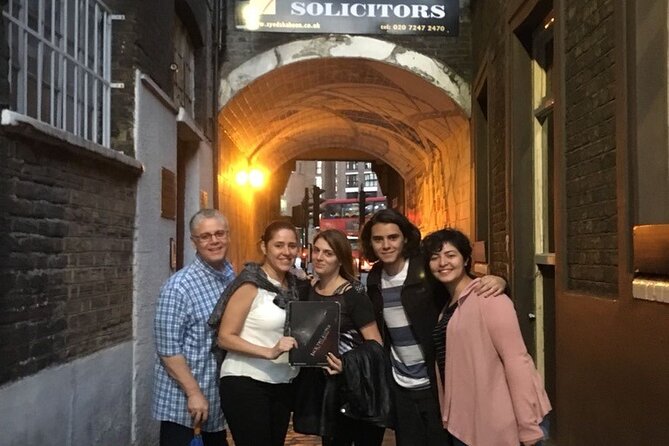
At St. Mary Woolnoth Church, you learn about John Newton, the abolitionist who served as rector there. Newton is a complicated figure in the wider story of slavery because he had once worked in the slave trade before becoming a prominent opponent of it. The church stop gives the campaign a human face and a local setting.
The visit is listed at about 10 minutes, with no admission charge. You should expect the guide to explain the connection rather than a formal private viewing of the church. As with the other stops, the street setting is part of the lesson. The building is not separated from the commercial district around it.
I like this section because it avoids presenting abolition as an abstract law passed by distant politicians. It connects the movement to individuals, religious life, public debate, and the everyday places where people lived and worked. It also leaves room for moral change, without pretending that a later stand against slavery erases earlier involvement.
The Bank of England and financial responsibility
The Bank of England Museum is another important stop, listed at around 15 minutes and free of charge. The bank has apologised for the involvement of some former directors and governors in the slave trade. It also promised to remove statues and paintings of those individuals from public display in its Threadneedle Street building.
This is a useful stop for understanding institutional responsibility. You are not only hearing about merchants and plantation owners. You are considering how financial leadership, public honors, and national institutions reflected the wealth and status created through slavery.
The museum itself can be a worthwhile addition if you have time, but this walking experience does not appear to include a dedicated museum visit or admission. The tour’s purpose is to place the bank within the wider route. I would treat the stop as a focused outdoor explanation, then decide separately if you want to explore the museum.
The subject may prompt questions, especially about how institutions remember people who helped create wealth but were later judged for their actions. That is one reason the group format can work well here. Sam’s approach is described as conversational, so you may get more from the stop if you are willing to listen and ask questions rather than simply take photographs.
The Royal Africa Company and St Paul’s

Another building on the route represents the City’s connection to the transatlantic slave trade. Sheriffs, mayors, and aldermen of London met there as shareholders of the Royal Africa Company. The detail is telling: the trade was not a fringe activity hidden from respectable civic life. Leading City figures had a direct financial connection to it.
The walk then finishes in the St Paul’s area. The cathedral is one of London’s most familiar sights, but the tour uses it as part of the story rather than as a photo stop alone. You see how a landmark associated with national identity sits within streets shaped by commerce, politics, faith, and empire.
The published information gives two endpoint references. The meeting details list Aldgate Underground Station on Aldgate High Street, while the route description says the walk finishes by St Paul’s Underground Station on the Central line. Those locations are not the same, so I would confirm the finish with Sam before booking onward transport or a timed reservation.
How the timing, group size, and price work
The advertised price is $27.43 per person. For a London walking tour lasting about 90 minutes, that is a fair price, especially since the experience uses public places and does not require paid entry. You are paying for the guide’s research, interpretation, and ability to connect scattered addresses into one clear story.
The timing deserves a little caution. The formal duration is approximately one hour and 30 minutes, but accounts of the walk describe it as lasting closer to two hours. I would not schedule a train, theatre booking, or museum entry immediately afterward. Give yourself a buffer, particularly if the group pauses for questions.
The maximum group size is 35 people. That is manageable for a street walk, though it is not a private or small-group experience. Sam’s clear speaking style should help, but you may want to stay close to the guide at busy crossings and crowded City corners.
The walk starts at noon and requires good weather. It also requires a minimum number of participants. If poor weather or low numbers cause cancellation, you are offered another date or a full refund. For your own booking, free cancellation is available until 24 hours before the start time. After that point, refunds and changes are not accepted.
Who will get the most from this walk
I would recommend this experience to you if you:
- Want a more serious look at London than a standard landmark tour provides
- Are interested in the links between slavery, finance, trade, religion, and public memory
- Enjoy learning from streets, buildings, and monuments rather than spending the whole time indoors
- Have already seen the main sights and want a different way to read the City
- Like a guide who brings in Roman and Victorian London as well as the central subject
It may not suit you if you want a relaxed photo walk, a broad overview of every major London attraction, or a fully indoor experience in uncertain weather. The topic also calls for attention. You will get more from it if you are ready to listen carefully and consider uncomfortable parts of British history.
Should you book the Slavery and City of London Walking Tour?
Yes, if you want a focused, thoughtful walk that connects familiar London sights to stories often left out of standard sightseeing. The strongest reasons to book are Sam’s praised communication style, the clear route from Roman enslavement to the Atlantic trade and abolition, and the chance to see places such as the Jamaica Coffee House site and the Gilt of Cain with proper context.
At $27.43, it offers good value for an hour and a half of guided interpretation, with the possibility that the experience may run longer. Confirm the endpoint, allow extra time, and bring a weather-ready attitude. If you want London to feel less like a collection of postcard views and more like a place shaped by difficult choices, this is a worthwhile addition to your itinerary.
FAQ
Where does the tour start?
The listed starting point is Tower Hill, at Trinity Square, London EC3N 4TH. The scheduled start time is 12:00 pm.
Where does the tour finish?
The meeting details list Aldgate Underground Station on Aldgate High Street, London EC3N 1AH. The route description also says the walk finishes by St Paul’s Underground Station, so confirm the exact endpoint before the tour.
How long does the tour last?
The stated duration is approximately one hour and 30 minutes. Some descriptions of the walk refer to closer to two hours, so allow extra time afterward.
How much does the tour cost?
The listed price is $27.43 per person.
How large is the group?
The tour has a maximum of 35 participants.
Are the stops free to enter?
The listed stops have no admission charge. The experience focuses on outdoor locations and explanations along the route.
What happens if the tour is canceled?
If poor weather or an insufficient number of participants causes cancellation, you will be offered another date or experience, or a full refund. You can also cancel for a full refund up to 24 hours before the start time.
Just added around London
- The Private British Museum Tour★ 5.0 · 6 reviews
- London to Southampton Cruise Port | Private Transfer★ 5.0 · 6 reviews
- London’s Chinatown Food Experience★ 4.0 · 6 reviews
- London Gatwick (LGW) Airport Departure Private Transfer – Hotel to Airport★ 4.0 · 6 reviews
- Transfer from Heathrow Airport to London hotel on private car★ 4.5 · 6 reviews
- Christmas in Canterbury, Dover and Greenwich with Christmas Lunch★ 4.5 · 6 reviews
- Jazz Notes – Jazz Jam Ticket★ 5.0 · 6 reviews
- Transfer from London Stansted Airport to Central London★ 5.0 · 6 reviews
Walking Tours, compared.

Oxford University Walking Tour With University Alumni Guide
Read our review →
Tour for Muggles The Ultimate Harry Potter Walking Tour in London
Read our review →

Cambridge University Walking Tour by Alumni™ Kings College Option
Read our review →
Blackbeard to Banksy – The Ultimate Walking Tour of Bristol
Read our review →
Air Raid Shelter + St. Nicholas Market Walking Tour
Read our review →
Walking Tour of Bath with Blue Badge Tourist Guide
Read our review →
Changing of the Guard Guided Walking Tour in London
Read our review →Browse the lists this tour appears in