
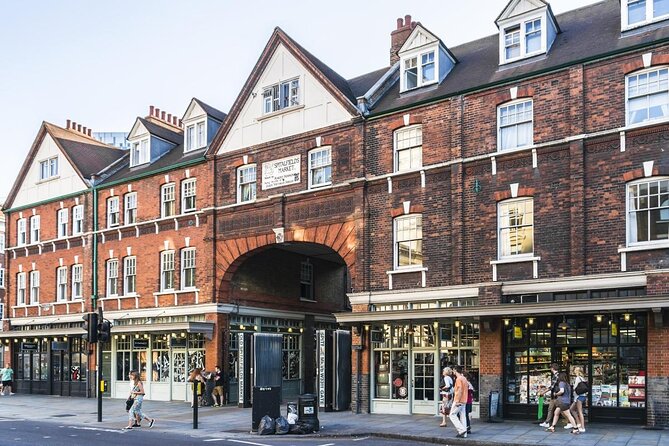
Reviewed · WALKING TOURS
Walking Tour around Spitalfields in the East End of London
Spitalfields rewards slow feet. This two-hour walk leaves central London behind for a close look at East End streets, old institutions, immigrant stories, and buildings that changed with the neighborhood. I like the five-person limit, which gives the tour a personal feel, and I like that it pauses for details rather than rushing from one sight to the next.
The ending is unusually generous: you sit in an 18th-century drawing room overlooking Christ Church Spitalfields for tea and cakes baked from a 1720 recipe. The main consideration is physical. You need to walk and stand for two hours, and the tour depends on good weather, so it is less useful for anyone seeking a sheltered or easy-going outing.
In This Review
- Key points about this Spitalfields walking tour
- Why Spitalfields makes a fine walking subject
- Christ Church Spitalfields sets the tone
- Jewish East End stories and the people behind an institution
- The ancient market and the medieval survival
- Priory of St Mary Spital and the older East End
- The brewery told through two women’s lives
- A famous thoroughfare and the argument over its future
- One building, three faiths
- Eighteenth-century houses and Nicholas Culpeper’s herb garden
- Tea and 1720 cakes in a townhouse drawing room
- Pace, timing, and practical fit
- Who will get the most from this walk?
- Should you book the Spitalfields walk?
- FAQ
- Where does the Spitalfields walking tour begin?
- What time does the tour start?
- How long does the experience last?
- Where does the tour finish?
- How many people can join the tour?
- What language is the tour offered in?
- Is tea and cake included?
- Can I cancel for a full refund?
Key points about this Spitalfields walking tour
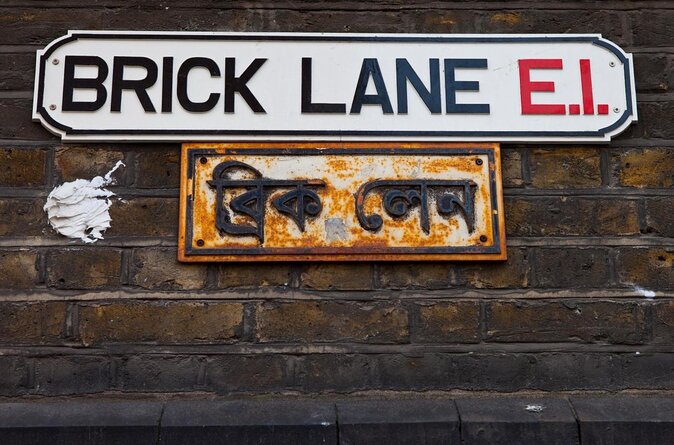
- Small group of only five: You get a more intimate walk and a better chance to ask questions.
- Stories behind ordinary buildings: The tour connects chapels, synagogues, mosques, markets, breweries, and houses to the people who used them.
- East End focus: You see a side of London that feels separate from the usual Westminster and West End route.
- A mix of old and new: Medieval remains sit beside famous streets and ongoing arguments about the area’s future.
- Tea in an 18th-century room: The tour ends with tea and cakes made from a recipe dating to 1720.
- A thoughtful historical approach: The best parts focus on why events happened, not just on dates and names.
Why Spitalfields makes a fine walking subject

Spitalfields rewards a guide who can connect small clues. An old facade, a market, a chapel, or a row of houses may look like a quick photo stop. Here, each one helps explain how the East End changed over time.
You will not spend this walk ticking off London’s biggest sights. The appeal is more local and specific. The route looks at institutions built to serve communities, buildings adapted for new faiths, commercial places shaped by working lives, and streets still caught up in arguments about change.
That approach suits you if you prefer social history to a parade of grand monuments. The tour also gives you time to look closely. Because the group is limited to five people, the guide can keep the pace measured and respond to your interests instead of delivering a fixed speech to a crowd.
The experience receives a 5 out of 5 rating from 131 ratings, with 100 percent recommending it. The strongest praise focuses on the guide’s storytelling, personal research into local people, and ability to explain the reasons behind historical events. One particularly useful sign is that a visitor wanted another hour after the scheduled walk. That suggests the tour has plenty to say, even if the two-hour format keeps it manageable.
More Walking Tours in London
- Tour for Muggles The Ultimate Harry Potter Walking Tour in London
★ 5.0 · 4,684 reviews - London Jack The Ripper Guided Walking Tour
★ 5.0 · 3,131 reviews - Changing of the Guard Guided Walking Tour in London
★ 5.0 · 1,793 reviews
Christ Church Spitalfields sets the tone
Meet at Christ Church Spitalfields on Commercial Street at 2 p.m. The church is the opening point, and its connection to Nicholas Hawksmoor gives the tour a strong architectural start.
Hawksmoor’s English Baroque masterpiece is more than a handsome church backdrop. It introduces the grand civic and religious ambitions that once shaped this part of London. You begin with scale and formal design, then move into the more personal stories of markets, immigrants, workers, and residents.
The meeting point is also practical. The activity starts and ends there, so you do not need to work out a second pickup location after the walk. The tour lasts about two hours, including the final half hour in the townhouse drawing room.
Jewish East End stories and the people behind an institution
One stop examines an institution created to minister to Jewish immigrants from Eastern Europe, including people from the area now known as Ukraine. The value here is the human scale. Instead of treating immigration as an abstract chapter in London’s past, the tour connects it to a place that helped people manage their lives in a new city.
The wording of the stop points to a meeting with people whose lives were tied to the institution. That makes this section especially promising for anyone interested in community history, religious life, and the practical needs of newcomers.
You should expect a story-led stop rather than a simple architectural viewing. The tour’s best moments appear to come from linking a building to individual lives. Personal research into people who lived in Spitalfields was singled out as moving and special, so this part may carry more emotional weight than the grander architectural stops.
The ancient market and the medieval survival
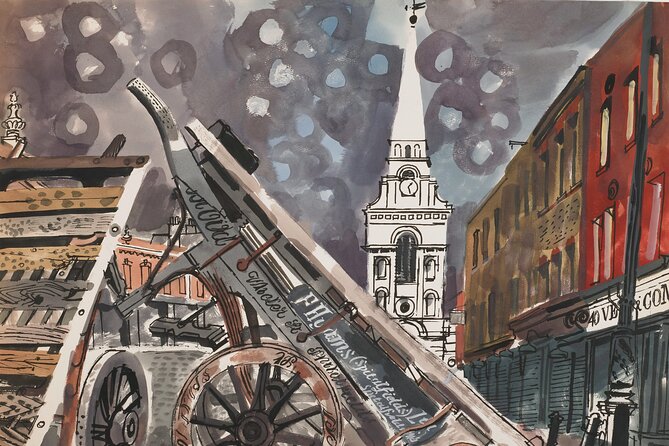
The walk then turns to the story of an ancient market. Markets explain a district in a way few monuments can. They reveal what people bought, how they gathered, and how trade shaped the streets around them.
The tour also reveals the purpose of an astonishing medieval survival. The supplied description does not name the structure, so you should treat this as a discovery along the route rather than arrive expecting a particular landmark. What matters is the method: the guide uses a surviving medieval feature to explain how this area worked before its later buildings took shape.
These stops should appeal to you if you enjoy details that are easy to miss. The group will be on foot, and the walk allows time to stop and focus. That is a better format for an old market and medieval remnant than a coach tour, where you would see little beyond a passing facade.
Something different for another day:
- Stonehenge, Windsor Castle, and Bath from London
★ 4.5 · 18,662 reviews - London Big Bus Hop-On Hop-Off Tour with Optional River Cruise
★ 3.5 · 10,803 reviews - London Small Group Tour of Historical Pubs
★ 5.0 · 10,422 reviews - Stonehenge, Windsor Castle and Bath with Pub Lunch in Lacock
★ 4.5 · 7,402 reviews
Priory of St Mary Spital and the older East End

A visit to the site of the Priory of St Mary Spital adds another layer to the route. The priory is part of Spitalfields’ early story, and its site helps show how much older the area is than its famous Georgian and Victorian streets suggest.
The stop is valuable because it shifts your view beyond the visible buildings. A site can explain what once occupied a place even when the original structure no longer dominates the street. You get a sense of the long changes behind modern Spitalfields, from medieval religious foundations to later commercial and residential uses.
Do not expect every stop to offer a complete building to enter. Some parts of the tour concern sites, purposes, and past lives. That is a strength if you enjoy piecing together a place from clues, but it may disappoint you if you want constant access to interiors.
The brewery told through two women’s lives

The brewery section uses the lives of two women who worked there. This is one of the most distinctive choices in the walk. Industrial history is often told through owners, architects, and business figures. Focusing on two women shifts attention toward work and daily experience.
You can expect the brewery story to function as social history rather than a tasting visit. There is no indication that beer sampling forms part of the tour. The point is the people whose labor helped keep the operation going and the way their stories illuminate Spitalfields as a working district.
This is also where the tour’s research-based style seems strongest. The best praise centers on the guide’s attention to individuals, not just famous names. If you like history told through real lives, this stop may be one of the reasons to book.
A famous thoroughfare and the argument over its future
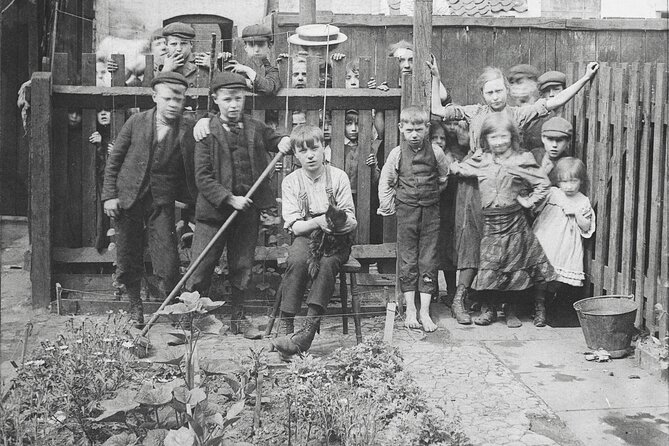
The route tells the story of a famous Spitalfields thoroughfare and the continuing controversy over what should happen to it. This gives the walk a useful present-day edge.
You are not only looking backward. The street remains part of an argument about preservation, redevelopment, and the future shape of the neighborhood. The tour can therefore help you see that historic districts are not frozen museum pieces. Their buildings still affect decisions, businesses, residents, and public debate.
The description does not identify the thoroughfare by name, so I would not book this expecting one particular famous street. Instead, expect a wider lesson about how London handles old urban areas. That kind of context can make the rest of the walk more meaningful.
One building, three faiths
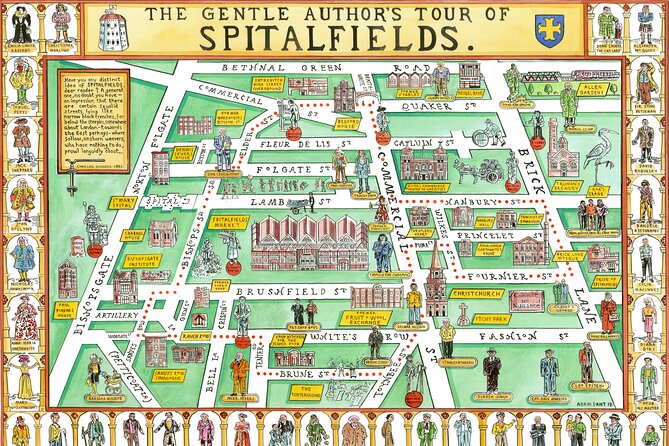
A particularly striking stop concerns a building that began as a Huguenot chapel, later became a synagogue, and then became a mosque. Few single buildings can show demographic and religious change so clearly.
This is a strong example of Spitalfields’ layered identity. The building’s use changed as different communities arrived, settled, worshipped, and shaped the neighborhood. Rather than presenting one fixed version of the past, the tour shows how buildings can be adapted by the people who need them.
You should listen closely here. The interest is not only in the building’s design but also in what each change says about migration, faith, and urban life. It is one of the clearest examples of the tour’s larger theme: Spitalfields is best understood through the people who used its spaces.
Eighteenth-century houses and Nicholas Culpeper’s herb garden
The walk also tells the story behind a group of fine 18th-century houses. Their appearance may be polished, but the guide places them within Spitalfields’ wider story rather than treating them as isolated pretty facades.
This is where a slow walking pace pays off. You can examine the relationship between the houses and the area’s older institutions, markets, and working life. The tour is designed to make ordinary street views more legible, so you begin to notice why these buildings matter.
Another stop visits the herb garden of Nicholas Culpeper, the 17th-century herbalist. The garden adds a small, intimate counterpoint to the larger church and urban streets. It also broadens the subject matter beyond religion, trade, and architecture.
The supplied details do not promise a long garden visit or a botanical demonstration. Think of it as one focused historical stop within a broader walk. If you enjoy old medical traditions and the story of herbal practice, it should add welcome variety.
Tea and 1720 cakes in a townhouse drawing room
The final 30 minutes take place in a townhouse, where you put your feet up in an 18th-century drawing room overlooking Christ Church Spitalfields. Tea and cakes baked to a 1720 recipe are included in the price.
This ending changes the rhythm of the afternoon. After two hours of walking and standing, you get a proper seated finish rather than a quick goodbye on the pavement. The room also brings the period atmosphere indoors, giving you a chance to reflect on the buildings and stories you have just seen.
The tea is not a minor extra. At $90.28 per person, it helps explain the price. You are paying for a private-feeling small group, a researched two-hour route, a guide’s storytelling, and a hosted period-style refreshment rather than only for access to a street.
Still, value depends on your interests. If you mainly want famous London landmarks or the lowest-cost walking tour, this will seem expensive. If you value a group limited to five and a distinctive, carefully themed experience, the price is easier to justify.
Pace, timing, and practical fit
The start time is 2 p.m., and the activity returns to Christ Church Spitalfields. You should allow more than two hours for the full afternoon because the tea and cakes form part of the closing experience.
You need to be comfortable walking and standing for the tour’s duration. The activity is not recommended if two hours on your feet would be difficult. Service animals are allowed, and the meeting point is near public transportation.
The tour is offered in English and uses a mobile ticket. It is generally suitable for most people who can manage the physical demands. Since good weather is required, keep your schedule flexible if rain or poor conditions are forecast.
It is often booked 36 days ahead on average. That advance planning may matter because the group has only five places. If you want a particular date during a short London stay, booking early is sensible.
Free cancellation is available up to 24 hours before the start time for a full refund. Changes or cancellations inside that 24-hour window are not accepted for a refund. If poor weather or an insufficient number of bookings cancels the tour, you are offered another date or experience, or a full refund.
Who will get the most from this walk?
I would choose this tour if you like London’s less obvious stories, especially those involving migration, religious communities, working people, and changing streets. It also suits repeat visitors who have already seen the major central sights and want a more focused East End afternoon.
The small group makes it a good choice if you value conversation. A five-person limit should make it easier to ask about a building, pause over a detail, or follow up on an individual story. The tour’s strongest praise concerns its intellectual approach and personal research, so curious listeners are likely to gain the most.
It may not suit you if you want a fast checklist of sights, a large-group social outing, or a route with little standing. The weather requirement is another practical concern. And because several stops focus on stories and sites rather than grand interiors, you should come for interpretation, not constant entry into attractions.
Should you book the Spitalfields walk?
Book it if you want to understand how one East London district was shaped by faith, immigration, work, trade, and changing architecture. The five-person format, individual stories, and tea in an 18th-century drawing room give it more character than a standard street walk.
Skip it if your priority is saving money or covering London’s headline sights. At $90.28, the value rests on the guide’s storytelling and the intimate format. For the right audience, especially history-minded visitors and repeat London guests, the final tea and cakes are a fitting reward for taking the slower route through Spitalfields.
FAQ
Where does the Spitalfields walking tour begin?
The tour begins at Christ Church Spitalfields, Commercial Street, London E1 6LY, UK.
What time does the tour start?
The scheduled start time is 2 p.m.
How long does the experience last?
The walking tour lasts approximately two hours. The final 30 minutes take place in a townhouse with tea and cakes.
Where does the tour finish?
The activity ends back at the meeting point at Christ Church Spitalfields.
How many people can join the tour?
The tour has a maximum of five travelers, making it a small-group experience.
What language is the tour offered in?
The tour is offered in English.
Is tea and cake included?
Yes. At the end, you enjoy tea and cakes baked to a 1720 recipe in an 18th-century drawing room. Admission for this closing experience is included.
Can I cancel for a full refund?
Yes. You can cancel at least 24 hours before the experience’s start time for a full refund. Cancellations or changes made less than 24 hours before the start time are not refunded.
Just added around London
- The Private British Museum Tour★ 5.0 · 6 reviews
- London’s Chinatown Food Experience★ 4.0 · 6 reviews
- London to Southampton Cruise Port | Private Transfer★ 5.0 · 6 reviews
- London Gatwick (LGW) Airport Departure Private Transfer – Hotel to Airport★ 4.0 · 6 reviews
- Christmas in Canterbury, Dover and Greenwich with Christmas Lunch★ 4.5 · 6 reviews
- Transfer from Heathrow Airport to London hotel on private car★ 4.5 · 6 reviews
- Jazz Notes – Jazz Jam Ticket★ 5.0 · 6 reviews
- Street Photography Workshops in London★ 5.0 · 6 reviews
Walking Tours, compared.

Oxford University Walking Tour With University Alumni Guide
Read our review →
Tour for Muggles The Ultimate Harry Potter Walking Tour in London
Read our review →

Cambridge University Walking Tour by Alumni™ Kings College Option
Read our review →
Blackbeard to Banksy – The Ultimate Walking Tour of Bristol
Read our review →
Air Raid Shelter + St. Nicholas Market Walking Tour
Read our review →
Walking Tour of Bath with Blue Badge Tourist Guide
Read our review →
Changing of the Guard Guided Walking Tour in London
Read our review →Browse the lists this tour appears in