
Reviewed · STONEHENGE TOURS
4 Day Tour in Cornwall, Devon and Stonehenge from Bristol
Clifftops, castles, and ancient stones await. This four-day trip packs southwest England with striking variety, from Exmoor’s open moors and Tintagel’s Arthurian cliffs to Cornwall’s fishing towns, Dartmoor, Dorset, and Stonehenge. I like the small-group minibus format and the mix of famous sights with quieter towns such as Dunster, Tavistock, and Widecombe-in-the-Moor.
I also like that the price includes three nights with breakfast, Tintagel Castle, Stonehenge, transport, and a driver-guide, which makes the $917.06 cost easier to judge. The main drawback is the pace: you cover a great deal of ground in four days, and some stops are brief. The steep walks at Tintagel, Durdle Door, and parts of the coast also require decent mobility.
In This Review
- Key points to know before booking
- What this four-day route does well
- Day one: Dunster, Exmoor, and Tintagel Castle
- Day two: St Ives, Land’s End, and the Minack Theatre
- Day three: Tavistock and the open spaces of Dartmoor
- Day four: Durdle Door, Lulworth Cove, and Stonehenge
- The $917.06 price and what it covers
- Who will enjoy this tour most
- Should you book this Cornwall and Stonehenge tour?
- FAQ
- Where does the tour start and finish?
- What is included in the tour price?
- Are meals included?
- Is admission to the Minack Theatre included?
- How much luggage can I bring?
- How large is the tour group?
- Can children join the tour?
- What should I know about the accommodation?
- Can I cancel or change the booking?
Key points to know before booking
- Tintagel Castle and Stonehenge admission are included, saving you two major entrance fees.
- The tour uses a 16-seat Mercedes minicoach, with a maximum group of 16 people.
- Cornwall gets the most attention, including St Ives, Land’s End, the Minack Theatre, and St Michael’s Mount.
- The Minack Theatre is not guaranteed, and its adult admission fee of £9 is extra.
- Guides can shape the mood of the trip, with Kate, Iggy, Alan, and Matt praised for care, humor, flexibility, and safe driving.
- Pack light, since luggage is limited to 20 kilograms per person and some accommodation may be a 20 to 30-minute walk from restaurants.
What this four-day route does well
This is a sightseeing-heavy trip for someone who wants southwest England in one neat package. You do not spend four days in one county. Instead, the route links Somerset, Devon, Cornwall, Dorset, and Wiltshire, giving you a broad taste of the region’s coast, moorland, villages, castles, and prehistoric monuments.
That variety is the chief reason to choose it. One hour you may be looking across a rugged Atlantic headland, and the next you are walking a medieval market town or examining a 5,000-year-old stone circle. The route is not designed for slow, independent exploration. It is designed to show you the major sights without the bother of driving on narrow roads or arranging several different overnight stays.
The minicoach matters. A 16-seat Mercedes vehicle is smaller and more personal than a full-size coach, and the maximum group is 16. You still need to expect some time on the road, but a compact vehicle suits Cornwall and Devon better than a large bus. Drivers also have a chance to keep in touch with the group and adjust the morning when conditions call for it.
The driver-guide is central to the experience. Kate used music chosen by the group to make the drives more enjoyable. Iggy was praised for patience and helpfulness, while Alan handled difficult weather with flexibility during Storm Bert. Matt mixed local stories with games and singing, and even helped one participant across a high footbridge. The message is clear: the right guide can turn long drives into part of the holiday rather than dead time.
More ways to see Stonehenge:
- Stonehenge and Cotswold Villages Full-day Tour from Bristol
★ 5.0 · 140 reviews - Stonehenge, Windsor Castle, and Bath from London
★ 4.5 · 18,662 reviews - Stonehenge, Windsor Castle and Bath with Pub Lunch in Lacock
★ 4.5 · 7,402 reviews
Day one: Dunster, Exmoor, and Tintagel Castle
You meet at the DoubleTree by Hilton Bristol City Centre on Redcliffe Way at 8:15 a.m. The route heads toward Exmoor, where moorland, woodland, rivers, and coastal scenery provide the first real taste of the southwest.
The morning stop is Dunster, a compact medieval village dominated by its Norman castle. You have about 45 minutes here, enough for coffee, a comfort break, and a walk through the village. Admission to the stop is free, though the schedule does not include a castle visit.
Dunster works well as an opening stop because it gives you a gentle start. You can stretch your legs, see old streets, and get a quick sense of the region’s village character before the longer coastal run. Do not expect a full historical visit in 45 minutes. This is a brief introduction, not a deep exploration of Dunster Castle.
After lunch, Tintagel Castle brings the first major attraction. The ruins sit high on the North Cornwall cliffs and are linked with the legend of King Arthur. The castle’s Arthurian associations are part of its appeal, but the setting is just as important. You get sea views, exposed cliff scenery, and a dramatic sense of place.
About 90 minutes are allocated here, and admission is included. That is useful, since Tintagel is one of the tour’s headline stops. You should still prepare for uneven ground and steep sections. A high footbridge is part of the approach, which may trouble anyone uneasy with heights. Matt’s willingness to assist a participant across it is encouraging, but you should tell your guide about mobility or height concerns early.
Tintagel can feel more managed and visitor-focused than the smaller villages on the route. That is not a reason to skip it, but it helps set expectations. You are coming for the cliff setting, ruins, and Arthurian atmosphere, not a quiet ruin far from other sightseers.
The day ends in Falmouth, your base for two nights. The journey from Tintagel is listed as about three hours, so this is a substantial transfer after a full day. Falmouth gives you a practical base for Cornwall’s southern coast and lets you return to the same accommodation after the next day’s loop.
Day two: St Ives, Land’s End, and the Minack Theatre
Day two is the big Cornwall day. It begins in St Ives, one of the county’s best-known seaside towns. You have around 90 minutes to walk around the harbor, cobbled streets, cottages, and sandy beaches.
St Ives is attractive but popular, and its charm depends on what you want from a seaside town. You will get a short, scenic visit rather than a full day for galleries, swimming, shopping, or a long lunch. I would use the time for a harbor walk and a quick look at the beach rather than trying to fit in too much.
From St Ives, the coach continues to Land’s End. The listed stop is only 15 minutes, so this is mainly a viewpoint and photograph break. Land’s End has long carried a powerful sense of geographical drama, and the cliffs make a memorable picture, but there is little time for a long coastal walk.
That short stop is one of the tour’s compromises. Land’s End is an important name on a Cornwall route, yet 15 minutes will feel rushed if you want to explore beyond the main viewpoint. Commercial development can also make the place feel less wild than its reputation suggests. You are seeing the landmark, not spending time in the surrounding coast.
The Minack Theatre is one of the day’s most unusual stops. This open-air theater is built into the cliffs, with the sea below and rugged rock around the seating. You have roughly 90 minutes for the visit and a lunch break, but admission is not included. The adult entrance fee is £9.
There is an important qualification: the tour may not be able to visit the Minack Theatre when availability is limited. Your guide will confirm the situation during the day. That uncertainty matters if the theater is your main reason for booking. It is a wonderful addition when open, but you should treat it as a possible highlight rather than a guaranteed one.
Marazion follows, with around 75 minutes for views of St Michael’s Mount. The rocky island holds a medieval church and castle and is often compared with Mont Saint-Michel. The stop is free and focuses on the view, so do not assume you will cross to the island or tour the castle.
The timing here gives you a chance to slow down after the busier coastal stops. St Michael’s Mount is especially photogenic, though access and appearance can depend on conditions. The schedule specifically promises a chance for a photograph, not an island visit.
You return to Falmouth for the evening, with about two hours listed for the stop. This is a useful feature of the route. Instead of changing accommodation every night, you sleep in the same base for two nights and can enjoy a meal in town before resting.
Day three: Tavistock and the open spaces of Dartmoor
Day three leaves Cornwall and heads into Devon. Tavistock is the first stop, with 90 minutes of free time. This ancient stannary and market town has a strong connection to tin mining and is the only town in Devon with world heritage status.
Tavistock gives you a different kind of southwest England. The focus is no longer cliffs and beaches, but a town shaped by mining, markets, and the surrounding countryside. Ninety minutes is enough for a walk and a quick look around, though not enough for every attraction or a leisurely meal.
The route then enters Dartmoor National Park. Expect a broad, rugged setting of forests, rivers, wetlands, and granite tors. The stop in Widecombe-in-the-Moor lasts about 70 minutes. This village is connected with the well-known folk song Widecombe Fair and gives you a close-up look at Dartmoor’s village character.
The visit to Widecombe helps break up the drive through the open moor. You can walk around, take in the setting, and get a stronger feel for rural Devon than you would from a roadside viewpoint. The route is also a good fit for anyone who prefers scenery and villages to a packed list of formal attractions.
Haytor is the next major Dartmoor feature. The granite outcrops provide the park’s most recognizable kind of view and make a strong contrast with Cornwall’s sea cliffs. The schedule places Haytor within the Dartmoor portion of the day, before the evening arrival in Exeter.
Exeter is the overnight base. The listed time in and around Exeter is about two hours, but the itinerary gives less detail about a specific attraction there. Think of Exeter mainly as a convenient stop at the end of a scenic day, rather than a full city tour.
Something different for another day:
- Blackbeard to Banksy – The Ultimate Walking Tour of Bristol
★ 5.0 · 1,961 reviews - Air Raid Shelter + St. Nicholas Market Walking Tour
★ 5.0 · 1,950 reviews - (9pm) The House Magicians Comedy & Magic Show – Smoke & Mirrors
★ 5.0 · 356 reviews - West Country Games – the most popular group activity in the South West!
★ 5.0 · 315 reviews
Day four: Durdle Door, Lulworth Cove, and Stonehenge
The final day heads toward Dorset and then north to Stonehenge before returning to Bristol. Durdle Door is one of the country’s most photographed coastal landmarks, with a natural rock arch above the sea. The listed stop is only 15 minutes, so expect a quick viewpoint rather than a beach outing.
The walk to coastal viewpoints can be steep, especially when heading down toward Durdle Door and back up. One participant described the descent and return as demanding, so I would wear sturdy shoes and avoid carrying more than you need. If you want a relaxed seaside walk, this stop may feel too short. If you want a dramatic photograph, it delivers the essential view.
Lulworth Cove is included in the coastal section of the day, though the schedule gives less separate time for it than for Stonehenge. Its unusual curved shape adds another scenic stop before the tour turns inland.
Stonehenge gets the longest visit of the day, about three hours, and admission is included. That makes the entrance fee a meaningful part of the tour’s value. You have enough time to see the monument without treating it as a rushed roadside stop.
Stonehenge is not just a pile of stones beside a road. Its age, purpose, and construction still invite debate, and the site has gathered legends involving figures such as Merlin. The attraction works best when you give yourself time to look carefully and consider the sheer effort involved in placing the stones thousands of years ago.
After Stonehenge, the coach returns to Bristol, arriving in the evening at the original meeting point. The drive is listed as about two hours. You should avoid scheduling a tight onward connection that night, since the tour has several moving parts and returns in the evening.
The $917.06 price and what it covers
At $917.06 per person, this is not a cheap weekend outing. It is a packaged four-day trip, though, and the price includes three nights of en-suite accommodation with breakfast, transportation, a driver-guide, Tintagel Castle, and Stonehenge.
That bundle offers solid value if you would otherwise need to arrange a rental car, several accommodations, fuel, parking, and entrance tickets. Driving in southwest England can be tiring, especially on smaller roads and during poor weather. Here, the guide handles the driving while you watch the scenery.
Meals and refreshments are extra, as is the Minack Theatre. You should budget for lunches, dinners, snacks, and drinks across four days. Accommodation can also affect how much you enjoy the trip. Bed-and-breakfast properties may sit on the edge of town, sometimes 20 to 30 minutes on foot from pubs and restaurants. Hotels are usually more central but may have a similar walking distance to local facilities.
The tour is recommended by 93 percent of customers and has a 4.7 rating from 14 reviews. Those numbers suggest a strong overall record, but the sample is not large. The most consistent praise centers on safe driving, punctual departures, guide personality, and the ability to keep the trip enjoyable in bad weather.
Who will enjoy this tour most
I would choose this trip if you want a broad first look at southwest England and prefer someone else to handle the roads. It suits adults who enjoy scenery, historic places, short walks, and a full daily schedule.
It is also a good choice if Tintagel, Cornwall, Dartmoor, and Stonehenge are all on your wish list. You will see more places than you could comfortably manage by public transport in four days.
It is less suitable if you want long visits in each town, extended coastal walks, or complete control over meal and sightseeing times. Land’s End and Durdle Door are especially brief, while the Minack Theatre may not be available.
Children under five cannot join. Anyone under 18 must travel with an adult. The tour can accommodate most participants, but stairs may be an issue because lifts are not available in some B&B properties. Mention stair or mobility concerns before booking so a ground-floor room or a property with lift access can be considered if available.
Luggage is limited to 20 kilograms per person. That can include a small onboard bag and a larger suitcase or rucksack. Pack compactly, since changing accommodation and loading luggage is easier when you keep things simple.
Should you book this Cornwall and Stonehenge tour?
Book it if you want maximum scenery with minimum driving work. The route covers an impressive slice of southern England, and the included entries and accommodation help justify the price. The strongest parts are Tintagel, the Cornwall coast, Dartmoor, and Stonehenge, with the guide often adding the warmth and local stories that make a group trip feel personal.
Skip it if your ideal holiday means lingering in St Ives, walking for hours along the coast, or spending a full day at each major site. You will need to accept short stops, long transfers, extra meal costs, and the possibility that the Minack Theatre will not be available.
For the best experience, pack light, bring shoes suitable for steep paths, expect a full schedule, and keep your evening after the return to Bristol open. If that sounds like your kind of adventure, this is a well-planned way to meet Cornwall and Devon without renting a car.
FAQ
Where does the tour start and finish?
The tour starts at the DoubleTree by Hilton Bristol City Centre, Redcliffe Way, Bristol BS1 6NJ, at 8:15 a.m. It returns to the same meeting point on the final evening.
What is included in the tour price?
The price includes admission to Tintagel Castle and Stonehenge, three nights of en-suite accommodation with breakfast, transportation in a Mercedes 16-seat minicoach, and an English-speaking driver-guide.
Are meals included?
No. Meals and refreshments are not included. Breakfast is included with the accommodation.
Is admission to the Minack Theatre included?
No. The adult admission fee is £9. The visit may also be unavailable due to limited availability, and your guide will confirm this during the tour.
How much luggage can I bring?
You are limited to 20 kilograms of luggage per person. This may include a small bag for personal items and a larger suitcase or rucksack.
How large is the tour group?
The maximum group size is 16 people, and transportation is provided in a 16-seat Mercedes minicoach.
Can children join the tour?
Children under five years old cannot join. Anyone under 18 must be accompanied by an adult.
What should I know about the accommodation?
B&Bs may be on the outskirts of towns, sometimes 20 to 30 minutes on foot from pubs and restaurants. Hotels are usually more central but may also require a walk of up to 20 to 30 minutes. Some B&Bs do not have lifts, so mention stair concerns when booking.
Can I cancel or change the booking?
No. The experience is non-refundable and cannot be changed for any reason.
Just added around Bristol
- Bristol private pub hopping and sightseeing with local guide★ 5.0 · 6 reviews
- Afternoon Bath City Tour – Private tour from Bristol with a local guide★ 5.0 · 7 reviews
- Brunel’s Bristol: A Self-Guided Tour from SS Great Britain to Clifton Bridge★ 4.5 · 11 reviews
- Bristol Harbourside Self-Guided Walking Tour★ 4.5 · 12 reviews
- Wine & Cheese in the Somerset Valleys – with Michelin-star lunch!★ 5.0 · 12 reviews
- Bristol Old City Food & drink Tour★ 5.0 · 15 reviews
- Cocktail Classes in Bristol, England★ 4.5 · 15 reviews
- Self-Guided Craft Beer Tour (Explore Old Market)★ 4.5 · 19 reviews
Stonehenge Tours, compared.
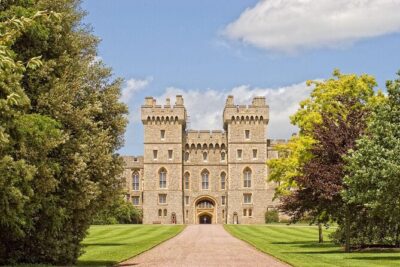
Stonehenge, Windsor Castle, and Bath from London
Read our review →
Stonehenge, Windsor Castle and Bath with Pub Lunch in Lacock
Read our review →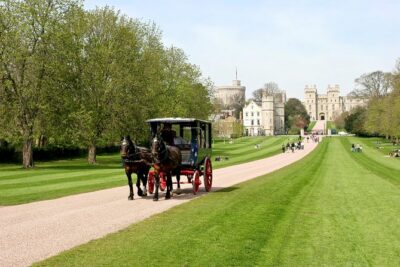
Stonehenge, Windsor Castle and Bath Full Day Guided Tour
Read our review →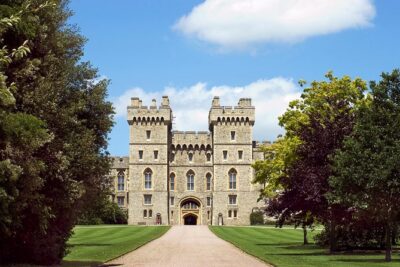
Windsor Castle, Stonehenge, and Oxford Day Trip from London
Read our review →
Windsor, Stonehenge and Bath Day Trip from London Spanish
Read our review →Windsor Castle, Stonehenge, and Oxford Day Trip from London
Read our review →
Stonehenge and Bath Day Trip from London with Optional Roman Baths Visit
Read our review →Browse the lists this tour appears in