Reviewed · TICKETS
Day Entry Ticket
Old machines still have stories to tell. The National Museum of Computing in Milton Keynes traces computing from wartime codebreaking to home computers, online life, and mobile technology. I like the working Bombe and Colossus demonstrations, and I like how the collection lets you connect famous names such as Alan Turing with real machines rather than dry textbook dates. The main caution is simple: this ticket is for the museum, not Bletchley Park, which is a separate attraction on the same site.
Give yourself two to six hours, depending on how closely you read, watch demonstrations, and try the older games. The museum suits technology fans, families with curious children, and anyone interested in the practical side of World War II codebreaking. Some displays may mean more to serious computer enthusiasts than to casual visitors, but the friendly staff help bring the machines to life.
In This Review
- Key points to know before you go
- Why the National Museum of Computing is worth your time
- The wartime galleries: Bombe, Enigma, Lorenz, and Colossus
- From room-sized mainframes to personal computers
- The personal computer and retro game displays
- Mobile technology and the rise of the internet
- How long should you spend inside?
- Is the $20.83 admission good value?
- Who will enjoy this museum most?
- Practical advice for a smoother visit
- Should you book the National Museum of Computing?
- FAQ
- Is this ticket for Bletchley Park?
- How much does admission cost?
- How long does the visit take?
- What are the opening hours?
- Is the museum suitable for most people?
- Can I cancel for a refund?
Key points to know before you go
- See working wartime machines: The rebuilt Turing-Welchman Bombe and Colossus are the museum’s biggest draws, especially when demonstrations are running.
- Follow computing across eight decades: The collection moves from Enigma, Lorenz, and Colossus through mainframes, personal computers, games, mobile technology, and the internet.
- Do not confuse the two museums: TNMOC and Bletchley Park are separate attractions, even though they are located in the same general area.
- Plan for a flexible visit: The advertised duration is about two to six hours, so you can make this a short stop or a major part of your day.
- Expect a hands-on spirit: Working exhibits and a retro game area make the subject more approachable than a display of silent, sealed-off machines.
- Use the practical facilities: Mobile tickets, English-language information, sensory maps, light refreshments, outside seating, and nearby public transportation make the visit easier to manage.
Why the National Museum of Computing is worth your time
I like museums that let you see history as something people built, tested, repaired, and used. This one does exactly that. Rather than presenting computing as a smooth march toward modern phones, it shows the bulky, awkward, ingenious machines that made later technology possible.
The collection is described as the world’s largest collection of working historic computers. That word, working, matters. A machine behind glass can be impressive, but a restored computer making its original sounds or carrying out its intended task gives you a better sense of the skill involved.
The museum is also one of England’s 100 irreplaceable places, which gives you a useful clue about its importance. It is not simply a room of old gadgets. It preserves a long record of British computing, including the wartime work linked with Bletchley Park and the people who helped shape modern information technology.
The experience is likely to be strongest for people who enjoy technical details. If you prefer a fast-moving attraction with dramatic scenery, you may find parts of the museum quiet and densely packed. You can still enjoy the major machines, but do not expect every display to offer instant entertainment.
A few more tours and experiences worth a look
- Tower of London and Crown Jewels Exhibition Ticket
★ 4.5 · 6,677 reviews - Thorpe Park Admission Ticket
★ 4.0 · 5,915 reviews - Alton Towers Resort 1 Day Admission Ticket
★ 3.5 · 5,501 reviews
The wartime galleries: Bombe, Enigma, Lorenz, and Colossus
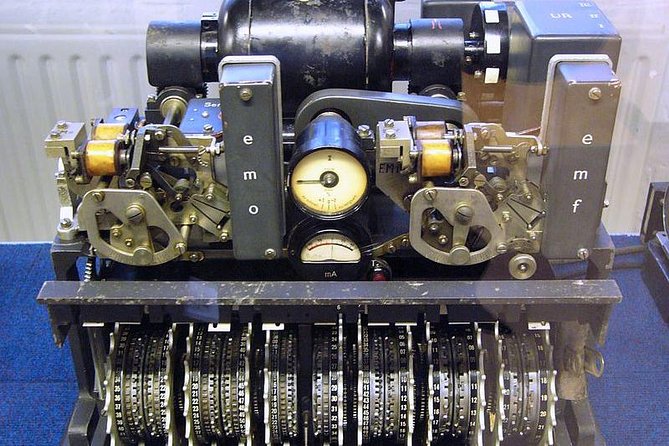
The early section gives the museum its strongest sense of place. You follow the development of wartime codebreaking through the Turing-Welchman Bombe, Enigma, Lorenz, and Colossus machines.
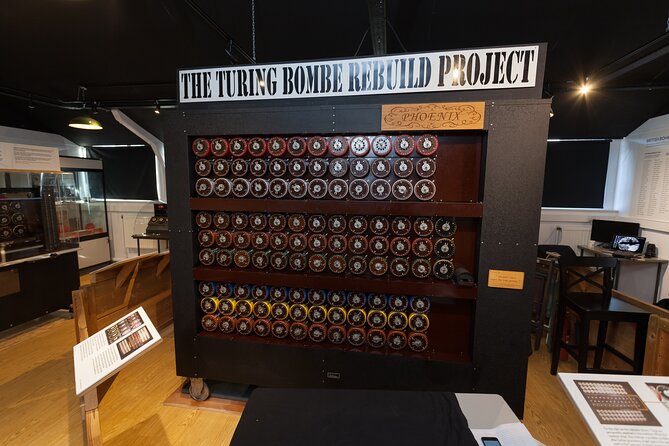
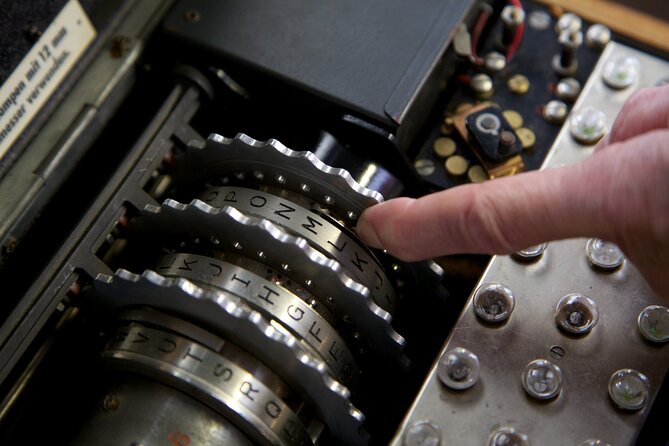
The Bombe is closely linked with Alan Turing and the effort to break German Enigma messages. Seeing a rebuilt machine helps you grasp the physical work behind the process. This was not computer work in the sleek, silent way we picture it today. It involved large equipment, careful logic, and relentless repetition.
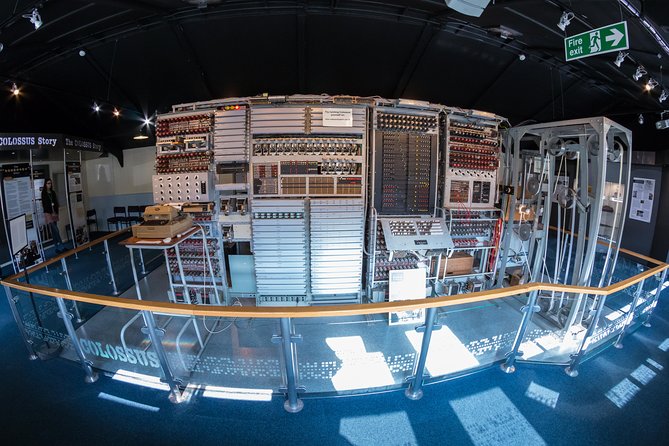
The Colossus tells a different part of the story. It was built to help read Lorenz messages, and its presence shows how quickly wartime demands pushed engineers toward electronic computing. Demonstrations are a major reason to time your visit well. The machines become far easier to understand when you see them operating and hear staff explain what they were designed to do.
I would make these demonstrations your first priority if the schedule is available when you arrive. The exact demonstration times are not provided in the booking details, so ask at the entrance rather than assuming you can catch one at any moment.
The museum’s setting near Bletchley Park adds useful context, but it can also cause confusion. Bletchley Park tells the wider story of the wartime site, while TNMOC focuses on computing and its machines. They are separate museums with separate admission. Check the name on your ticket before you travel, and do not assume admission to one includes the other.
That distinction is the most important booking tip here. A visitor who intended to visit Bletchley Park could arrive with the wrong ticket and need to pay again. The museum itself can be worthwhile, but the mistake is an avoidable one.
From room-sized mainframes to personal computers
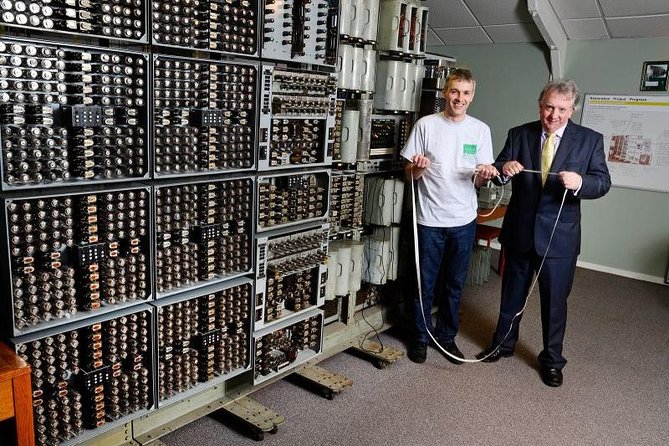
After the wartime displays, the story moves into the 1950s, 1960s, and 1970s. This section shows how computing shifted from wartime and government work toward large systems and mainframes used by institutions.
The scale is part of the lesson. Modern users carry more computing power in a pocket than earlier systems could offer in an entire room, but that comparison only feels real when you see the older hardware. Large cabinets, control panels, and banks of equipment make the early years of electronic computing feel physical and demanding.
I appreciate this part because it slows down the usual story of technological progress. It reminds you that smaller, faster machines did not appear by magic. They came after years of engineering changes, new designs, and practical problem-solving.
Not every exhibit will hold your attention for the same length of time. Some displays appeal mainly to people who already know the difference between types of mainframe or remember working with older systems. If you are visiting with a mixed group, set a meeting point or agree on a comfortable pace. The museum is large enough for one person to read every panel while another moves ahead.
The staff are an important part of the experience. They are described as friendly and well informed about both the machines and their history. Their explanations can help you get past unfamiliar terms, so ask questions instead of trying to decode every label alone.
The personal computer and retro game displays
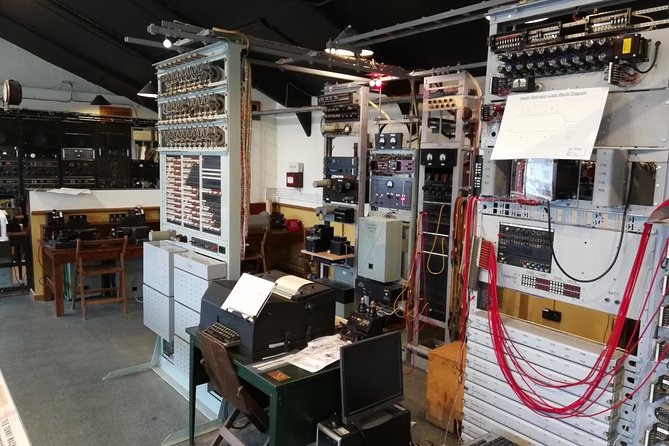
The move into personal computing gives the visit a more familiar feel. Depending on your age, you may recognise machines from childhood, school, or an early workplace. For younger visitors, the displays offer a chance to see how limited older computers were compared with today’s devices.
The retro game area is a smart addition. It gives you something to do, not just something to inspect. Playing older computer games turns a technical history lesson into a shared experience, and it can be the part that keeps children interested while adults study the larger machines.
I would allow extra time here if your group enjoys games. The listed visit length ranges from two to six hours, and this is one reason the upper end may suit you. A quick visit can cover the best-known exhibits, but people who enjoy trying the games and talking with staff may want much longer.
The drawback is that retro technology can feel personal and uneven. One visitor may see an old computer and remember exactly how it worked, while another sees only a small screen and unfamiliar controls. The museum cannot make every machine equally meaningful to every person, so your enjoyment will depend partly on your own interests.
Something different for another day:
- Stonehenge, Windsor Castle, and Bath from London
★ 4.5 · 18,662 reviews - London Big Bus Hop-On Hop-Off Tour with Optional River Cruise
★ 3.5 · 10,803 reviews - London Small Group Tour of Historical Pubs
★ 5.0 · 10,422 reviews - Beatles Magical Mystery Tour
★ 5.0 · 9,266 reviews
Mobile technology and the rise of the internet
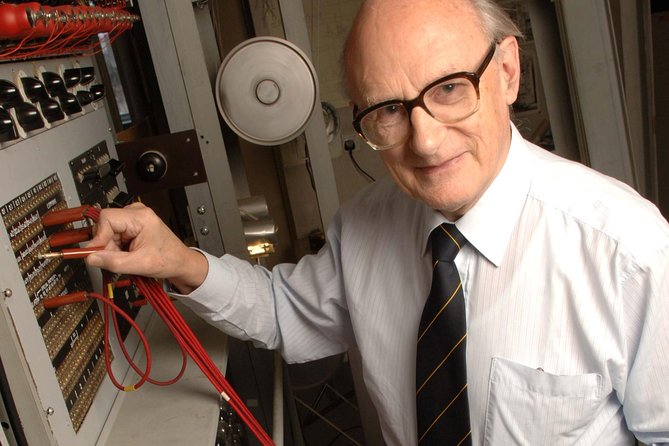
The later displays follow computing into mobile technology and the internet. This section connects the heavy machines of the earlier galleries with the always-connected devices you use every day.
That long view is one of the museum’s best qualities. You can begin with codebreaking machines from the 1940s and finish by considering how computers moved into homes, pockets, and networks. The change is not only about speed. It is also about access, size, purpose, and the way computing became part of ordinary life.
I would not rush through the final galleries simply because the machines look more familiar. The point is to see the full chain of change. The phone in your pocket makes more sense when you have first seen the mainframes and early personal computers that came before it.
The museum’s strength here is connection rather than spectacle. You are looking at objects and systems that explain how computing developed. If you want a highly interactive science center with constant buttons and moving screens, this may feel more traditional. If you want a clear record of how technology changed, the sequence works well.
How long should you spend inside?
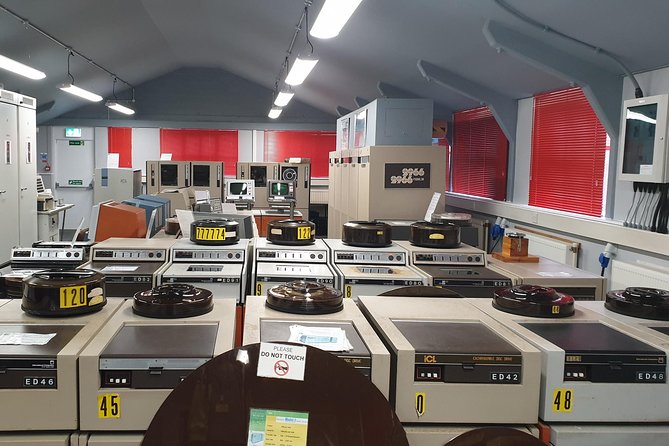
The official estimate is about two to six hours. I would treat that as a useful range rather than a promise.
Two hours can work if you focus on the Bombe, Colossus, wartime displays, and a few later galleries. You may also have time for part of the game section, especially if you move briskly.
Plan closer to four or six hours if you want to read the displays, attend demonstrations, speak with staff, and try the older games. The collection covers several generations of computing, and a fast walk-through can leave you with only a blur of large machines.
The advertised opening time is Tuesday from 10:30 a.m. to 5 p.m. for the stated operating period. Since the supplied schedule lists Tuesday specifically, check the current opening day and time before setting out. This matters if you are combining the museum with other attractions in the Bletchley area.
The museum is near public transportation, and most people can take part. Service animals are allowed. Sensory maps are available, which can help you plan your route and identify the sort of environment you prefer before you move through the galleries.
There is a cafe for light refreshments and outside seating. That is useful during a longer visit, though you should think of it as a break facility rather than a reason to plan a full meal around the museum.
Is the $20.83 admission good value?
At about $20.83 per person, the ticket is fairly priced if you enjoy technology, wartime history, or hands-on museum collections. The value improves when you stay for several hours and catch the machine demonstrations.
I would be less enthusiastic about the price for someone who only wants a quick look at one famous computer. The museum’s appeal comes from the breadth of the collection, not a single display. If you expect a short attraction with one headline object, the admission may feel less rewarding.
The strongest value comes from the staff explanations and working exhibits. You are not only looking at old equipment. You are getting a chance to understand what the machines did and why they mattered. That is especially useful if the technical labels seem intimidating at first.
Do remember that the ticket covers TNMOC only. Bletchley Park requires separate admission. Read the attraction name carefully during booking and keep your confirmation available on your phone. Mobile tickets are accepted, and confirmation is provided at the time of booking.
Who will enjoy this museum most?
I would recommend TNMOC to:
- People fascinated by Alan Turing and wartime codebreaking
- Anyone who enjoys old computers, electronics, or retro games
- Families with children who like pressing buttons and seeing machines work
- Students interested in the development of computing
- Visitors already in the Bletchley area who want a focused technology museum
- History fans who prefer real equipment and practical explanations
You may want to keep the visit shorter if you have little interest in technology or engineering. The wartime story offers a broad point of entry, but many galleries still ask you to care about machines, systems, and technical change.
The museum works particularly well for mixed-age groups because different generations can find different points of recognition. Older visitors may remember early home computers, while children may be drawn to the games and the sheer size of the early machines.
Practical advice for a smoother visit
Start by confirming that you have booked TNMOC rather than Bletchley Park. The two names are easy to mix up, and the attractions are separate. This single check can save you extra cost and frustration.
Next, ask about the Bombe and Colossus demonstrations. They are among the most memorable parts of the visit, and seeing the rebuilt machines in motion gives the wartime displays much more meaning.
Allow more time than you think you need if you enjoy reading. The museum covers the 1940s through modern mobile computing, so the displays reward a slower pace.
Use the sensory map if that helps you plan. Light refreshments and outside seating give you a place to pause during a longer visit. Since the ticket is mobile, keep your phone charged enough to show the confirmation at entry.
Free cancellation is available if you cancel at least 24 hours before the experience start time. Changes or cancellations inside that window are not accepted for a refund, and the cut-off follows local time.
Should you book the National Museum of Computing?
Yes, if you want working historic machines, clear links to Alan Turing and Bletchley Park, and a broad account of how computers changed from wartime tools to personal and mobile devices. The rebuilt Bombe and Colossus, helpful staff, and retro game area give the museum appeal beyond its technical subject.
Book with care if your real target is Bletchley Park. This admission does not cover it. For the right visitor, TNMOC is a strong two-hour stop and can easily fill half a day for anyone who enjoys computers, codebreaking, or engineering. For everyone else, focus on the wartime machines and demonstrations, then decide how much further you want to follow the story.
FAQ
Is this ticket for Bletchley Park?
No. The National Museum of Computing and Bletchley Park are separate museums, even though they are connected with the same wider site and area. This ticket is for TNMOC.
How much does admission cost?
The listed price is $20.83 per person.
How long does the visit take?
The expected visit length is approximately two to six hours. Your timing depends on how closely you study the displays, watch demonstrations, and use the retro game area.
What are the opening hours?
The supplied schedule lists Tuesday opening from 10:30 a.m. to 5 p.m. for the period from November 1, 2023, through February 3, 2027. Check the current schedule before visiting.
Is the museum suitable for most people?
Yes. Most people can participate, and service animals are allowed. The museum also provides sensory maps.
Can I cancel for a refund?
You can cancel at least 24 hours before the experience start time for a full refund. Cancellations or changes made less than 24 hours before the start time are not accepted for a refund.
Just added around England
- The Private British Museum Tour★ 5.0 · 6 reviews
- London to Southampton Cruise Port | Private Transfer★ 5.0 · 6 reviews
- London’s Chinatown Food Experience★ 4.0 · 6 reviews
- Christmas in Canterbury, Dover and Greenwich with Christmas Lunch★ 4.5 · 6 reviews
- Transfer from Heathrow Airport to London hotel on private car★ 4.5 · 6 reviews
- London Gatwick (LGW) Airport Departure Private Transfer – Hotel to Airport★ 4.0 · 6 reviews
- Bristol private pub hopping and sightseeing with local guide★ 5.0 · 6 reviews
- Isle of Wight Tour App, Hidden Gems Game and Big Britain Quiz (7 Day Pass) UK★ 4.0 · 6 reviews
Tickets, compared.

Tower of London and Crown Jewels Exhibition Ticket
Read our review →



Liverpool City Sights Hop On Hop Off City Tour – 24hr Ticket
Read our review →