Reviewed · TICKETS
Kew Gardens Entrance Ticket
Nature gets a grand stage here. I like the freedom to set your own route across 326 acres of gardens, and I like the mix of calm paths, giant glasshouses, historic buildings, and treetop views. The main catch is value: at $30.37 per person, the ticket can feel expensive if you stay only a few hours or visit in winter, when much of the outdoor garden is not in bloom.
This is not a tightly timed tour. You make your own way to Kew Gardens, show your pre-purchased ticket, and explore at your own pace. I would allow at least three to four hours, though you could spend a full day here and still leave parts unseen. The glasshouses and Treetop Walkway are the strongest reasons to come, while the extra cost of food, special events, Kew Palace, and the Pagoda needs to be kept in mind.
In This Review
- Key points to know before you go
- What the Kew Gardens ticket actually gives you
- Entering Kew and planning your route
- Azalea Garden, Minka House, and Bamboo Garden
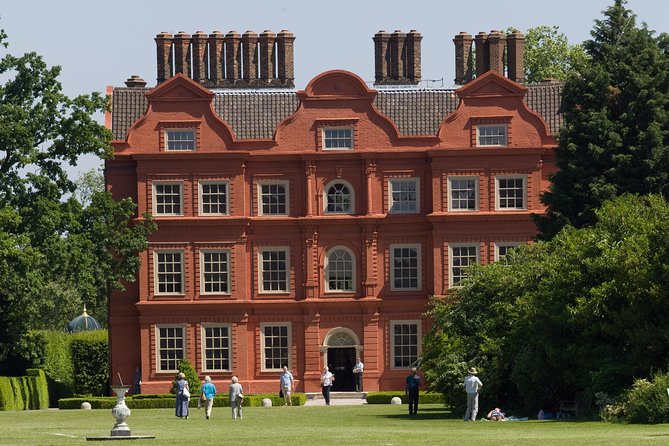
- Queen’s Garden and the Royal Kew Palace
- The Rhizotron and Xstrata Treetop Walkway
- Holly Walk and Kew’s older trees
- Temperate House and the great Victorian glasshouses
- The Pagoda, cafés, and places to rest
- How long should you stay?
- Best seasons and weather considerations
- Who will enjoy Kew Gardens most?
- Booking, cancellation, and small practical details
- Should you book Kew Gardens?
- FAQ
- Where is Kew Gardens located?
- How much does the entrance ticket cost?
- How long does a visit to Kew Gardens take?
- Can I explore Kew Gardens independently?
- Are guided tours available inside Kew Gardens?
- Are Kew Palace and the Pagoda included?
- Are food and drinks included?
- Are children allowed to visit without an adult?
- Can I cancel the booking for a refund?
Key points to know before you go
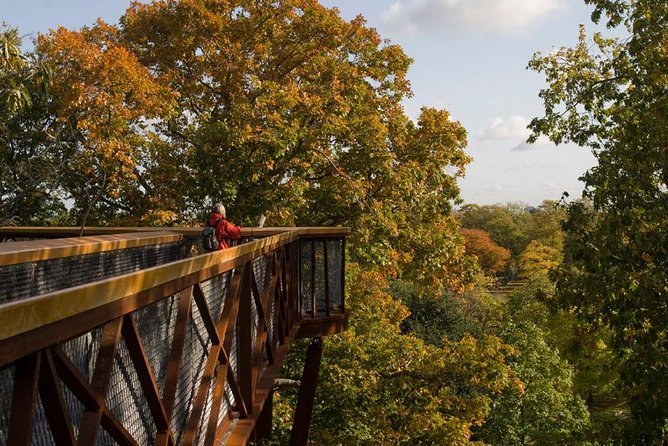
- The Treetop Walkway gives you a different view of Kew: The Rhizotron and Xstrata Treetop Walkway takes you above the ground and among the crowns of the trees.
- The glasshouses are the safest year-round highlight: Temperate House, the Palm House, and the Waterlily House offer striking plant displays even when the outdoor gardens look quiet.
- You choose the pace: Walk independently or join a free guided walking tour offered daily.
- The grounds are much larger than a quick city attraction: Plan three to four hours at minimum, and longer if you want the major gardens, buildings, and cafés.
- Some headline sights cost extra: Kew Palace and the Pagoda are not included and are open from April through September.
- Bring your own food budget: Four cafés are available, but meals and drinks are not part of the admission price.
What the Kew Gardens ticket actually gives you
This is a self-guided admission ticket to the Royal Botanic Gardens, Kew, in southwest London. Once inside, you can follow the paths in any order, stop when you like, and build the day around the areas that interest you most.
The gardens cover 326 acres and contain one of the world’s largest plant collections. That scale matters. Kew does not feel like a single formal garden that you can cross in half an hour. It is a full outing, with open lawns, wooded walks, glasshouses, historic structures, sculptures, cafés, and family areas spread across a large site.
The ticket suits you best if you enjoy freedom rather than a fixed commentary. You can wander quietly, take photographs, sit with a cup of tea, or join one of the free guided walks for more context. The guided walks offer a useful introduction to rare and exotic plants, but the experience remains flexible rather than group-led.
The listed price is $30.37 per person. I consider that reasonable only if you make proper use of the grounds. A short visit focused on one glasshouse may not feel like enough for the cost. A half-day or full-day visit, especially with several glasshouses and the Treetop Walkway, gives the ticket much better value.
A few more tours and experiences worth a look
- Tower of London and Crown Jewels Exhibition Ticket
★ 4.5 · 6,677 reviews - Thorpe Park Admission Ticket
★ 4.0 · 5,915 reviews - The London Eye Entry Ticket
★ 4.0 · 3,498 reviews
Entering Kew and planning your route
You make your own way to Kew Gardens. The attraction is near public transportation, though clear signage between Kew Gardens Underground Station and the entrance has been a concern for some people. I would leave a little extra time for finding the correct gate, especially if you have a timed plan for the day.
The advertised opening hours are 10:00 a.m. to 7:00 p.m., Monday through Sunday, for the stated operating period. Check the date on your booking carefully, since special events or individual attractions may follow different schedules.
At the entrance, a pre-purchased ticket should help you get inside quickly. One important practical warning: a missing QR code caused a long entry delay for one booking. Save the voucher where you can display the required code clearly, and check it before leaving your hotel or accommodation.
Once through the gate, pick up a map or ask staff for help with your priorities. The grounds are large enough that casual wandering can become a long walk. That is part of the pleasure, but it can also leave you short of time for the buildings and glasshouses you most want to see.
Azalea Garden, Minka House, and Bamboo Garden
The central gardens give you an easy introduction to Kew’s more carefully arranged planting areas. The Azalea Garden, Minka House, and Bamboo Garden each offer a different mood, so they work well early in the visit before you move toward the larger structures.
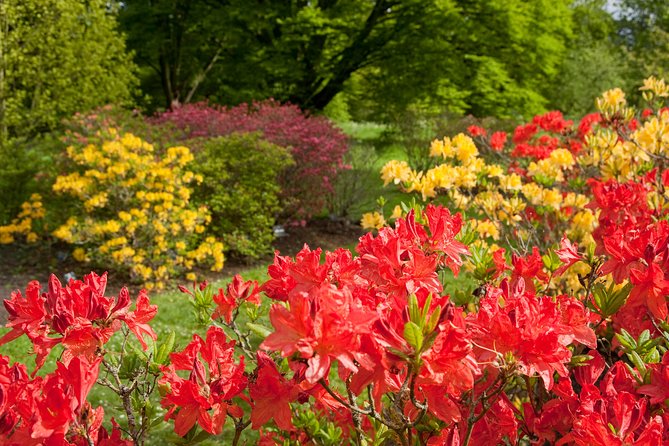
The Azalea Garden is especially appealing when seasonal color is at its best. Timing matters here. A visit in June may offer a different experience from a winter walk, and one review specifically pointed to returning in June for fewer people and more roses.
Minka House and the Bamboo Garden add variety without requiring you to commit to a long indoor visit. These areas are good for a slower stroll, a few photographs, or a quiet pause between the busier headline sights.
Do not expect every garden to look equally impressive in every month. In winter, the outdoor areas can feel stark, and much of the collection may not be in bloom. The glasshouses become more important at that time, while spring and summer are better for the color and outdoor planting.
Queen’s Garden and the Royal Kew Palace
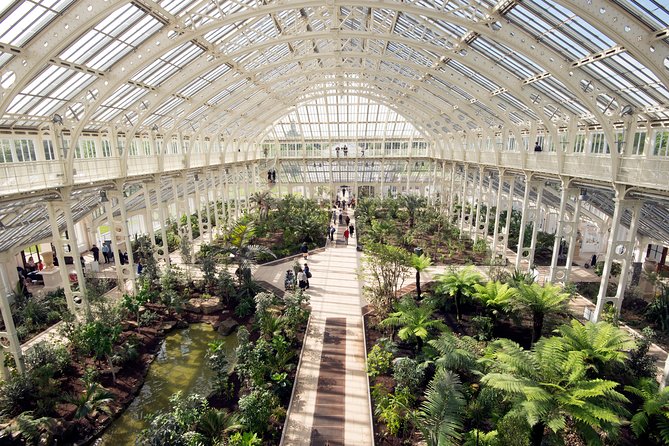
Near Kew Palace, also known as the Dutch House, you can find the Queen’s Garden. It follows a 17th-century style and includes several of Kew’s oldest sculptures, donated by the British royal family.
This area brings a sense of order and history to a visit otherwise dominated by plants. The formal design is a useful contrast to the broad lawns and wooded paths, and it gives you a reason to slow down rather than simply moving from one glasshouse to the next.
Kew Palace is not included in the entrance ticket. It is open from April through September, so check the season before you count on seeing the interior. The ticket can still be worthwhile without it, but you should know that some of the most prominent historic sights require a separate payment.
The Palace is particularly useful if you want more than botanical displays. It adds rooms, royal associations, and a step back in time to the day. One visit described the palace as a strong part of the experience, especially for learning historical details. If your interests are mainly plants, you may prefer to spend that extra time in the glasshouses instead.
Something different for another day:
- Stonehenge, Windsor Castle, and Bath from London
★ 4.5 · 18,662 reviews - London Big Bus Hop-On Hop-Off Tour with Optional River Cruise
★ 3.5 · 10,803 reviews - London Small Group Tour of Historical Pubs
★ 5.0 · 10,422 reviews - Stonehenge, Windsor Castle and Bath with Pub Lunch in Lacock
★ 4.5 · 7,402 reviews
The Rhizotron and Xstrata Treetop Walkway
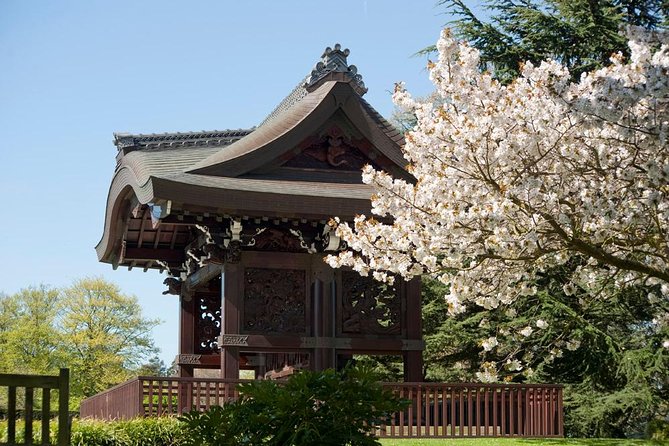
The Treetop Walkway is one of Kew’s most memorable features. It lifts you above the ground and lets you look through the crowns of oak trees and across parts of the garden from a different height.
That change of viewpoint is valuable because Kew is not only about flowerbeds viewed from paths. From above, you get a better sense of the size of the grounds and the shape of the tree collection. The walk also gives the day a little physical variety after time spent inside glasshouses.
The walkway is paired with the Rhizotron, which focuses attention below ground and around the life of trees. Together, they help you think about trees as complete living systems rather than just trunks and leaves.
People who dislike heights may want to take this section slowly. The attraction is not a quick photo stop, so allow time to enjoy the view rather than treating it as a box to tick. The Treetop Walkway receives some of the strongest praise in the available feedback, and I agree that it is one of the clearest reasons to choose Kew over a smaller city garden.
Holly Walk and Kew’s older trees
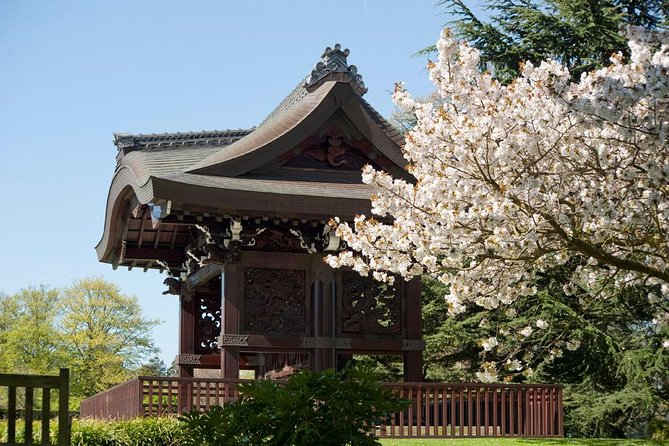
Holly Walk offers a quieter section of the grounds, with a sun-dappled route and trees said to be around 130 years old. It is a good choice when you want to escape the main attractions for a while.
This is where Kew’s scale becomes an advantage. You can move away from the formal gardens and find a more peaceful rhythm, with mature trees shaping the walk instead of buildings or displays. The route also gives you a chance to notice the age and variety of the collection.
I would not rush through Holly Walk. The large glasshouses tend to attract most attention, but the older trees provide the calmer side of the visit. If you have three hours, include it only if you are comfortable walking at a steady pace. With four hours or more, it becomes much easier to enjoy without sacrificing the main sights.
Temperate House and the great Victorian glasshouses
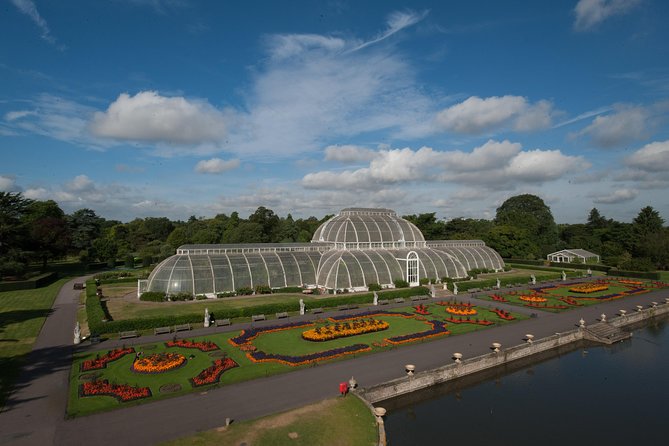
The glasshouses are the heart of a Kew visit, particularly when the outdoor gardens are quiet or bare. Temperate House is an original Victorian glasshouse and contains subtropical plants, including a massive Chilean Wine Palm.
The palm is the kind of sight that gives the ticket its strongest visual reward. It is difficult to understand the size of such a plant until you are standing beside it. The broad leaves and scale of the interior make the building feel more like a carefully managed indoor world than a simple greenhouse.
The Palm House is another major highlight and one of the largest surviving Victorian glasshouses. Its architecture matters as much as the plants. You get iron, glass, heat, and thick planting in one dramatic space.
The Waterlily House adds a very different experience. Giant lily pads and impressive banana plants have been singled out as memorable details, including banana flowers and fruit. If you are visiting with a teenager or older relatives, these indoor areas offer enough visual variety to keep the day interesting for different ages.
The glasshouses also provide a useful break from rain, cold, or strong sun. They can become the practical backbone of a winter visit, though you should not expect them to replace the full outdoor experience.
The Pagoda, cafés, and places to rest
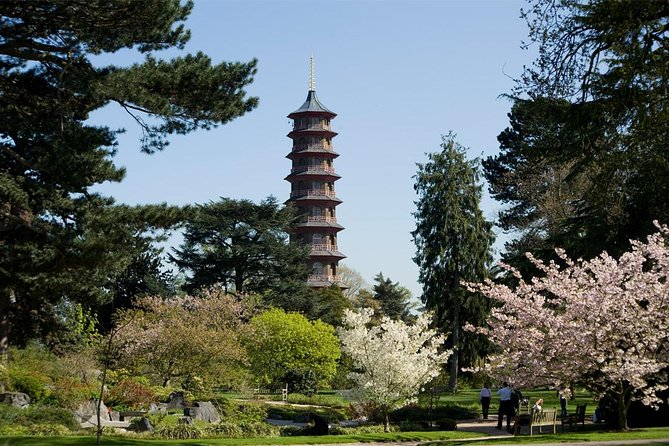
The 10-story Pagoda is an octagonal structure in the southwest corner of the grounds. It is one of Kew’s most recognizable buildings, but entry is not included in the standard ticket and it is open from April through September.
Even if you do not pay to enter, it is worth including in your route if you have enough time. Its height and shape give the grounds a landmark that is quite different from the low Victorian glasshouses and spreading trees.
Kew has four cafés, so you can buy lunch, tea, or a drink without leaving the gardens. Food and beverages are extra, and the cost can add up quickly for a family. If you want the ticket to feel like good value, consider bringing food if permitted or budgeting for a simple café stop rather than several purchases.
Eating outside can be just as pleasant. The grounds offer pretty spots where you can pause among the gardens, though the experience depends on the weather. Tea at the Botanical was described as both delicious and relaxing, making it a reasonable treat if you want to turn the visit into a leisurely day rather than a quick sightseeing stop.
Staff are generally helpful and friendly, and entrance staff can assist with organizing your visit. That matters at a place this large, particularly if you arrive without a firm route.
How long should you stay?
The advertised duration is approximately three to four hours. I see that as the minimum useful visit, not a strict limit.
In three hours, you can choose the Treetop Walkway, one or two glasshouses, a formal garden, and a short break. You will need to keep moving and accept that you are seeing selected highlights rather than the whole site.
Four hours gives you more room for Holly Walk, Queen’s Garden, the Pagoda exterior, and a café stop. A full day is better if you want to explore at a relaxed pace, visit several glasshouses, and include Kew Palace when it is open.
The large size is both the attraction and the main drawback. One person found the grounds less expansive than expected from the description and felt the layout did not justify the price. I would manage expectations by treating Kew as a large botanical park, not as a compact sequence of spectacular displays.
Best seasons and weather considerations
Spring and summer are the safest choices if you want outdoor flowers, roses, and formal planting at their best. June may offer a pleasant balance of seasonal color and manageable crowds, based on the practical feedback available.
Winter can still work, but your priorities should change. The outdoor gardens may look stark, while the Palm House, Temperate House, Waterlily House, and children’s area become more important. If your main reason for visiting is flowers outdoors, winter is a weaker value.
The experience requires good weather, and poor weather can lead to a cancellation, a different date, or a full refund. Even when Kew remains open, rain can make a long walk less comfortable. Wear shoes suitable for several hours on foot and keep your route flexible.
On Sunday, September 15, Kew Gardens opens at 11:00 a.m. because of the marathon. That is a specific date restriction, but it is a reminder to check opening updates before you go.
Who will enjoy Kew Gardens most?
I recommend this experience to plant lovers, photographers, families, and anyone who wants a quieter London day away from crowded central attractions. The mix of outdoor paths, indoor displays, history, and cafés works well for groups with different interests.
It also suits families because there is plenty to do beyond looking at flowerbeds. The Treetop Walkway adds adventure, the glasshouses offer unusual plants, and the children’s area gives younger visitors another focus. One comment found the children’s area excellent for kids, though less engaging for adults.
Older adults can enjoy the gardens too, but the size of the grounds deserves attention. Plan rest stops, use the cafés, and do not feel obliged to cover every corner. A slower visit focused on the glasshouses and a few nearby gardens may be more enjoyable than a rushed circuit.
This is less suitable if you want a short, low-cost attraction close to central London or a guided tour with continuous narration. You are paying for access to a huge site, not for a guide-led itinerary.
Booking, cancellation, and small practical details
Free cancellation is available if you cancel at least 24 hours before the experience start time. Changes or cancellations inside that 24-hour window are not accepted and are not refunded.
Confirmation is provided at booking. Service animals are allowed, and most people can participate. Anyone under 16 must be accompanied by an adult.
Remember that food, drinks, hotel pickup, and hotel drop-off are not included. Special events, including the Orchid Festival and Christmas at Kew, also require separate arrangements and are not covered by this ticket.
Should you book Kew Gardens?
Book it if you can give Kew at least three or four hours and you want a varied day of plants, Victorian glasshouses, mature trees, and historic buildings. The Treetop Walkway, Temperate House, Palm House, and Waterlily House provide enough distinct experiences to make the admission worthwhile for many people.
Think twice if you are visiting in winter mainly for outdoor blooms, if you dislike long walks, or if $30.37 feels high for an attraction where some buildings cost extra. For the best value, choose a mild day, arrive near opening, plan your priority sights, and leave time for a quiet café break.
FAQ
Where is Kew Gardens located?
Kew Gardens is in London, England, and is near public transportation.
How much does the entrance ticket cost?
The listed price is $30.37 per person.
How long does a visit to Kew Gardens take?
The approximate duration is three to four hours, though you could spend a full day exploring the grounds.
Can I explore Kew Gardens independently?
Yes. The ticket allows you to explore at your own pace and choose your own route.
Are guided tours available inside Kew Gardens?
Yes. Free guided walking tours take place daily in the gardens.
Are Kew Palace and the Pagoda included?
No. Kew Palace and the Pagoda are not included in the standard admission ticket. Both are open from April through September.
Are food and drinks included?
No. Food and drinks are available for purchase at the garden’s four cafés, but they are not included in the ticket.
Are children allowed to visit without an adult?
No. Anyone under 16 must be accompanied by an adult.
Can I cancel the booking for a refund?
Yes. You can receive a full refund if you cancel at least 24 hours before the experience start time. Cancellations within 24 hours are not refunded.
Just added around London
- The Private British Museum Tour★ 5.0 · 6 reviews
- London to Southampton Cruise Port | Private Transfer★ 5.0 · 6 reviews
- London’s Chinatown Food Experience★ 4.0 · 6 reviews
- Christmas in Canterbury, Dover and Greenwich with Christmas Lunch★ 4.5 · 6 reviews
- Transfer from Heathrow Airport to London hotel on private car★ 4.5 · 6 reviews
- London Gatwick (LGW) Airport Departure Private Transfer – Hotel to Airport★ 4.0 · 6 reviews
- Jazz Notes – Jazz Jam Ticket★ 5.0 · 6 reviews
- Street Photography Workshops in London★ 5.0 · 6 reviews
Tickets, compared.

Tower of London and Crown Jewels Exhibition Ticket
Read our review →




Liverpool City Sights Hop On Hop Off City Tour – 24hr Ticket
Read our review →