
Reviewed · THEME PARKS & ATTRACTIONS
Park Entry for a Family of 4 (2 adults and 2 children)
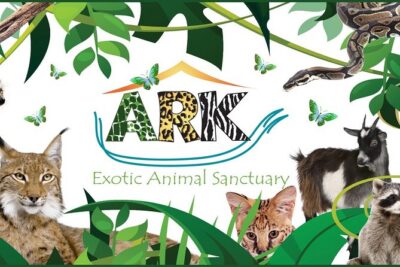
Rescue animals, family fun, and a few rough edges. Ark Wildlife Park & Exotic Animal Sanctuary offers a close-up day with more than 250 rescued animals, including macaques, lemurs, meerkats, reptiles, farm animals, and wildcats. I like the rescue-centre focus and the useful daily encounter shows at 11:30 and 2:30. I also like the indoor play areas and on-site café, which give families a break when British weather does its usual thing.
The main consideration is value and upkeep. At $54.84 for two adults and two children, this is not a throwaway outing, and some families have found the café, play equipment, dinosaur displays, and certain enclosures tired. Check the park’s current opening information on Google before setting off, since one family arrived to find it closed.
In This Review
- Key points to know before you go
- What Ark Wildlife Park is trying to do
- Starting with Macaque Manor and Lemur Island
- Reptile House, meerkat barn, and wildcats
- Planning around the 11:30 and 2:30 shows
- Play areas, dinosaurs, and the café
- Is the $54.84 family ticket good value?
- How long should you stay?
- Who will enjoy this visit most?
- Final decision: book it or choose another park?
- FAQ
- How much does the family ticket cost?
- How long does a visit take?
- What time does the park open?
- When are the animal encounter shows?
- What animals can you see?
- Are there activities for children?
- Is the ticket refundable or changeable?
Key points to know before you go
- More than 250 rescued animals live here, many from the exotic pet trade.
- Macaque Manor and Lemur Island give the park character beyond a standard farm visit.
- Encounter shows run at 11:30 and 2:30, so time your visit around one of them.
- Indoor and outdoor play areas help keep children busy between animal stops.
- The family ticket costs $54.84 for up to four people, making the value best when all four spaces are used.
- Allow one to seven hours, though a shorter visit may be enough if some displays or play areas do not appeal to your family.
What Ark Wildlife Park is trying to do
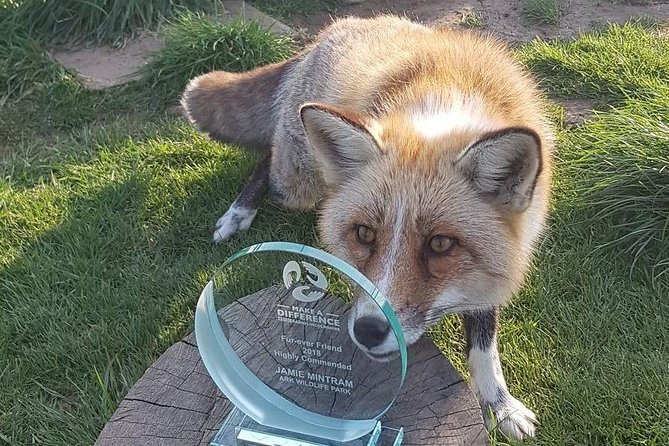
Ark Wildlife Park is not presented as a large, polished zoo. Its purpose is to care for animals rescued from the exotic pet trade, and that changes the tone of the visit. You are seeing animals that needed a new home, not simply choosing between rows of picture-perfect exhibits.
That mission matters. Exotic pets can become difficult, dangerous, or expensive for private owners, and a sanctuary gives them somewhere to go. The park’s collection includes species rarely seen in smaller British animal parks, along with familiar farm animals that younger children can recognise quickly.
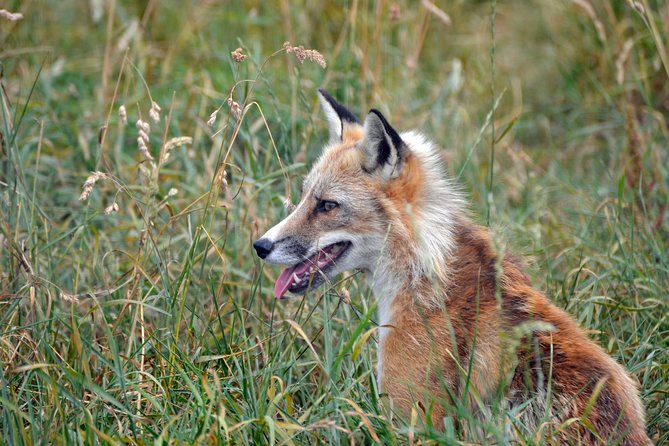
The site is home to more than 250 animals. The range includes macaques, lemurs, meerkats, reptiles, wildcats, Arctic foxes, alligators, and farm animals. The park also claims the largest variety of wildcat species in Lincolnshire, which gives older children and animal fans something more serious to look for than the usual goats and rabbits.
I would approach the experience with realistic expectations. A rescue park can feel less slick than a major zoo, and the condition of exhibits matters more here because the whole visit depends on trust in the sanctuary’s care. Some families have reported pacing animals, cramped-looking areas, poor smells in indoor sections, weeds around enclosures, and worn equipment. Those are not minor details, especially when you are bringing children and paying a family price.
More theme parks and attractions:
- Alton Towers Resort 1 Day Admission Ticket
★ 3.5 · 5,501 reviews - 1 Day Admission to LEGOLAND Windsor Resort
★ 3.0 · 5,329 reviews - LEGOLAND Windsor Resort 2 Day Admission Ticket
★ 3.0 · 1,204 reviews
Starting with Macaque Manor and Lemur Island
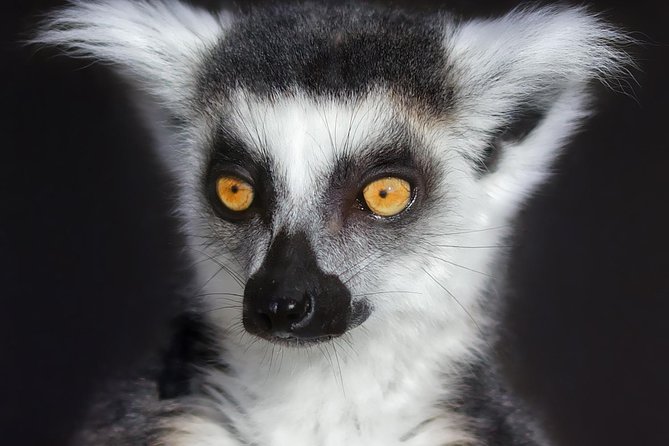
The park’s named animal areas give you a simple way to organise your visit. Macaque Manor and Lemur Island are likely to be the most memorable sections for many families because they feature animals children rarely see at a normal farm park.
Macaques are active, expressive primates, and the setting gives you a chance to watch their behaviour rather than simply glance at a single animal behind glass. Lemurs have an instant appeal with children, and the name Lemur Island makes this an easy stop to build into your route.
You may find the animals are easier to appreciate when you slow down. Ask children to watch how the animals move, where they rest, and how they interact with one another. That turns a quick walk past an enclosure into a small lesson in animal behaviour.
The quality of the viewing can vary. Some enclosures have been described as difficult to see through, while others may look dated or untidy. I would not promise perfect photographs or uninterrupted views. The reward is the chance to see unusual species at close range, not a carefully staged zoo display.
Reptile House, meerkat barn, and wildcats
The Reptile House gives the visit a different pace. Reptiles are often a hit with children who like creatures that seem strange or slightly alarming. It is also useful on a rainy day, when an indoor animal area becomes more than a side attraction.
The meerkat barn has earned particular affection from families who enjoy close encounters with these social animals. A paid meerkat experience is also mentioned at the park, though it is separate from this admission package. If you are considering that add-on, check the price and availability before you arrive rather than assuming it is part of the family ticket.
The wildcat collection is another reason the park may appeal to older children. The range of wildcat species is unusual for a small wildlife attraction in Lincolnshire. You may not see every animal clearly, but the variety gives the visit a stronger animal focus than a basic petting farm.
Farm animals are included too. This is useful for families with children of different ages because younger children can enjoy familiar animals while older children look for primates, reptiles, and predators. The mix is one of the park’s practical strengths.
Planning around the 11:30 and 2:30 shows
The daily encounter shows are the best reason to plan your timing instead of simply arriving and wandering. They take place at 11:30 and 2:30, giving you two chances to catch one during a normal visit from the 10:00 opening time to the 5:00 closing time.
These encounters are designed to bring you closer to some of the residents. The exact animals featured can vary, so you should treat the schedule as an opportunity rather than a promise of one particular species.
If you arrive near opening, you can start with the outdoor areas, attend the 11:30 show, then stop for food or play time. A later arrival can work around the 2:30 show and still leave time for the park’s main sections.
I would not plan the entire day around the shows alone. The park’s advertised visit length ranges from one to seven hours, and your actual time will depend on your children’s ages, animal interest, weather, and the condition of the play areas. Families with enthusiastic animal fans may stay several hours. Others may feel finished after about an hour or two.
Something different for another day:
- Stonehenge, Windsor Castle, and Bath from London
★ 4.5 · 18,662 reviews - London Big Bus Hop-On Hop-Off Tour with Optional River Cruise
★ 3.5 · 10,803 reviews - London Small Group Tour of Historical Pubs
★ 5.0 · 10,422 reviews - Beatles Magical Mystery Tour
★ 5.0 · 9,266 reviews
Play areas, dinosaurs, and the café
The indoor and outdoor play areas are important because they give children a change of pace. Animal parks work best when children can move between watching animals, climbing or playing, and eating. The undercover areas are especially useful in wet weather.
The play facilities have not pleased every family. Some equipment has been described as deteriorating, and the soft-play area advertised by the park was not available during one visit. Some activities, including ride-on vehicles and a digger, have also required extra payment, reported as £2 per go. Those small charges can quickly alter the family budget, particularly with young children who naturally want another turn.
There is a dinosaur area and a dinosaur dig. The dig has been a success with children, but some of the dinosaur models have been described as dirty or damaged. I would treat this as a bonus rather than a major reason to buy the ticket.
The on-site café is convenient, especially with younger children, but it has been criticised for high prices and slow service when staffing is limited. If you plan to eat there, leave extra time rather than scheduling lunch between two tightly timed activities. You may prefer to check what food is available before promising the children a café stop.
A map includes a child-friendly stamp hunt with a prize. The idea sounds useful for keeping children engaged, but the stamp points have not always been easy to find. Ask at reception for clear directions if your children are determined to complete it.
Is the $54.84 family ticket good value?
The price is $54.84 for a group of up to four, covering two adults and two children. That works out to about $13.71 per person if all four places are filled, before food, parking costs if applicable, or paid activities such as ride-on vehicles and the digger.
That is reasonable only if you make good use of the park. The ticket becomes more appealing when you attend an encounter show, visit several animal areas, use the play facilities, and stay for a few hours. It is harder to justify if you see the main collection in just over an hour.
This is not the place to choose solely because it is cheap. The family package saves you from buying separate admission at the entrance, but it does not include every activity on site. Budget for possible extras if your children are likely to want the rides.
Compared with larger wildlife parks nearby, the value may feel uneven. The Ark’s advantage is its rescue purpose and unusual animals. Its disadvantage is that some facilities may look less polished than better-funded attractions charging a similar amount.
I would book this for a family that values the sanctuary mission and enjoys a slower, less crowded animal visit. I would think twice if your main goal is a large, immaculate park with extensive play equipment and a full-day schedule of attractions.
How long should you stay?
The stated duration is one to seven hours, which is a wide range but a fair reflection of the experience. You can see a selection of animals quickly, or make a longer visit by adding a show, lunch, play time, and repeat visits to favourite enclosures.
For a short visit, focus on the show time, macaques, lemurs, meerkats, reptiles, and wildcats. For a longer visit, add the farm animals, dinosaur area, play zones, café, and any seasonal event taking place during your visit.
The park is open from 10:00 to 17:00 according to the supplied schedule. Still, check the current day and opening status on Google before you travel. The attraction has had at least one reported closure that caused a family to lose the cost of its tickets and a long drive.
The mobile ticket is handy. You can keep it on your phone and avoid waiting to buy admission at the gate. That is a modest benefit, but useful when you arrive with excited children and want to start the visit quickly.
Who will enjoy this visit most?
I think the best match is a family with children who like animals more than rides. The park offers unusual species, daily encounters, and a rescue story that can make the visit feel meaningful.
Children aged around nine to eleven may get the most from the animal variety, shows, and chance to spot less familiar species. Younger children can still enjoy the farm animals, meerkats, play areas, and dinosaur dig, but you should be ready for extra costs if the paid rides catch their attention.
Animal lovers may appreciate the relaxed atmosphere and closer views without the crowds found at major zoos. Some families have spent a full day here, particularly when they included an animal encounter.
I would be cautious if you expect every enclosure to look new, spotless, and spacious. The concerns about maintenance and animal welfare are serious enough that you should inspect the park’s current condition for yourself and decide how comfortable you are supporting it.
Service animals are allowed, and the park is near public transportation. Most people can participate, according to the available information. Specific transport routes, parking details, and full accessibility arrangements are not provided, so check those directly before travelling if they matter to your plans.
Final decision: book it or choose another park?
Book the Ark if you want a small wildlife attraction with a clear rescue purpose, unusual animals, two daily encounter opportunities, and enough indoor space to make a family outing workable in mixed weather. The macaques, lemurs, meerkats, reptiles, and wildcats give it a stronger animal collection than its modest size may suggest.
Skip it if you want guaranteed polished exhibits, extensive free activities, or a full seven-hour day without extra spending. The family ticket is easiest to justify when all four people attend, you catch a show, and your children are happy to spend time watching animals rather than racing from ride to ride.
My practical advice is simple: check the opening status on Google, plan around 11:30 or 2:30, ask about any extra charges, and set expectations about the facilities. If the rescue mission matters to you and you can accept a few rough edges, this can be a worthwhile half-day outing. If appearance, immaculate enclosures, and play equipment are your top priorities, compare it with another Lincolnshire wildlife park first.
FAQ
How much does the family ticket cost?
The family ticket costs $54.84 for a group of up to four people, covering two adults and two children.
How long does a visit take?
The estimated duration is one to seven hours. Your visit may be shorter or longer depending on how much time you spend with the animals, at the shows, in the play areas, and at the café.
What time does the park open?
The listed opening hours are 10:00 to 17:00, Monday through Sunday. You should check the current opening days and hours on Google before purchasing or travelling.
When are the animal encounter shows?
Daily encounter shows are scheduled for 11:30 and 2:30.
What animals can you see?
The park is home to more than 250 rescued animals, including macaques, lemurs, meerkats, reptiles, farm animals, wildcats, Arctic foxes, and alligators.
Are there activities for children?
Yes. The park has indoor and outdoor play areas, undercover areas, a dinosaur area, and a dinosaur dig. Some activities, including ride-on vehicles and a digger, may cost extra.
Is the ticket refundable or changeable?
No. The ticket is non-refundable and cannot be changed after booking.
Just added around England
- The Private British Museum Tour★ 5.0 · 6 reviews
- London’s Chinatown Food Experience★ 4.0 · 6 reviews
- London to Southampton Cruise Port | Private Transfer★ 5.0 · 6 reviews
- Christmas in Canterbury, Dover and Greenwich with Christmas Lunch★ 4.5 · 6 reviews
- Transfer from Heathrow Airport to London hotel on private car★ 4.5 · 6 reviews
- London Gatwick (LGW) Airport Departure Private Transfer – Hotel to Airport★ 4.0 · 6 reviews
- Bristol private pub hopping and sightseeing with local guide★ 5.0 · 6 reviews
- Isle of Wight Tour App, Hidden Gems Game and Big Britain Quiz (7 Day Pass) UK★ 4.0 · 6 reviews
Theme Parks & Attractions, compared.

LEGOLAND Windsor Resort 2 Day Admission Ticket
Read our review →

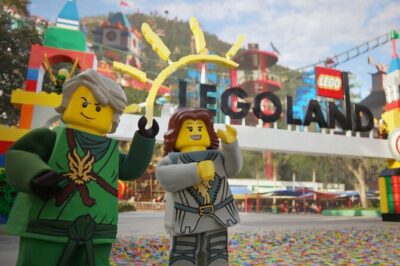
The LEGOLAND® Windsor Resort Express from London
Read our review →Browse the lists this tour appears in