
Reviewed · BEATLES TOURS
Skip the Line: Liverpool Beatles Museum – The perfect tribute to the Beatles
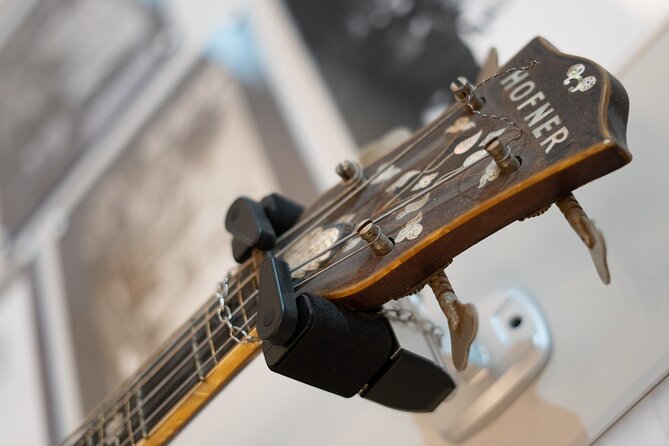
The Beatles story comes alive on Matthew Street. This museum fills a former Victorian warehouse with more than 1,000 Beatles items, from early Hamburg instruments to Abbey Road studio equipment, giving you a close look at how four Liverpool musicians became a worldwide force. I especially like the original guitars and drums from the band’s early days, and I like the audio guide, which adds useful detail as you move from display to display. The main drawback is practical: you’ll need to climb several flights of stairs, and the museum may not suit anyone with limited mobility.
I also appreciate the convenient location, just a few doors from the Cavern, and the chance to book a mobile ticket before arriving. At about $27.73 per person, admission is fair for serious Beatles fans who plan to spend two hours reading and listening, though casual visitors may find the collection more devoted to memorabilia than interactive exhibits.
In This Review
- Key things to know before you go
- Finding the museum on Matthew Street
- Five floors of Beatles material
- The early Beatles: Hamburg, Liverpool, and the people around them
- Rare objects from tours and recording rooms
- Why the audio guide is worth using
- The museum’s strongest personal details
- How long should you plan for?
- Stairs, seating, and family visits
- Is $27.73 a fair price?
- Who will enjoy it most?
- Should you book the Liverpool Beatles Museum?
- FAQ
- Where is the Liverpool Beatles Museum?
- How long does a visit take?
- What are the museum’s opening hours?
- How much does admission cost?
- Is a mobile ticket available?
- Can I avoid waiting in line?
- Is the audio guide included?
- Is the museum suitable for people with mobility issues?
- Are food and drinks included?
- Can I cancel for a full refund?
Key things to know before you go
- More than 1,000 Beatles items fill a former Victorian warehouse, spread over five floors.
- Early instruments and personal material give the museum its strongest appeal, including Hamburg-era guitars and drums, letters, itineraries, and belongings.
- The audio guide is worth considering, with museum displays linked to numbered sections and detailed recorded information.
- Matthew Street puts you close to the Cavern, making it easy to combine both Beatles sights in one visit.
- Several staircases shape the visit, so this is not a good choice for anyone who cannot manage repeated steps.
- A visit usually takes one to two hours, but dedicated fans may need longer to read the displays carefully.
Finding the museum on Matthew Street
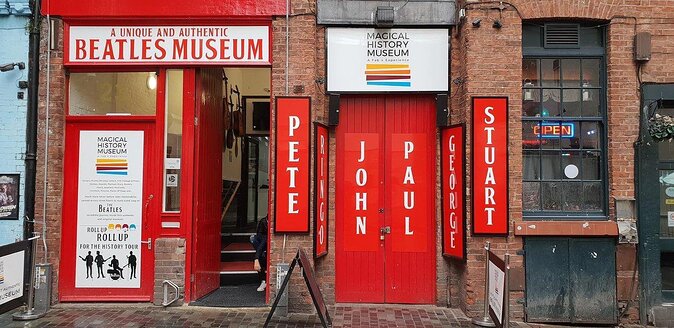
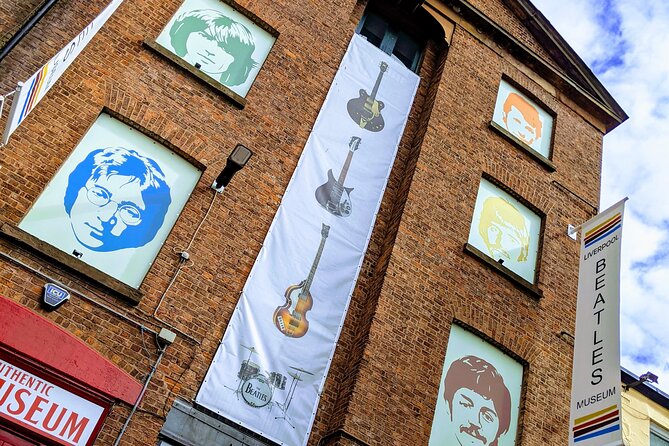
The Liverpool Beatles Museum is in a lively part of the city center, on Matthew Street and only a few doors from the Cavern. That location matters because it lets you pair the museum with one of Liverpool’s most famous Beatles-related stops without setting aside a separate half-day.
Be careful with the names. Liverpool has more than one major Beatles attraction, and the Beatles Story at Albert Dock is a different museum. It is easy to head toward the wrong place, especially if you remember visiting a Beatles exhibition near the docks in the past. Check that your destination is on Matthew Street before you set off.
The museum is close to public transportation, and a mobile ticket makes entry simple when the booking works as intended. Keep the confirmation available on your phone. The ticket is designed to help you avoid waiting with the general crowd, though the museum can still feel busy at popular times.
Opening hours for the stated operating period are 10 a.m. to 5 p.m., Monday through Sunday, from July 1 through December 23, 2026. I would arrive earlier in the day if you want a quieter start and enough time for the audio material.
More Beatles trips:
- Beatles Magical Mystery Tour
★ 5.0 · 9,266 reviews - Liverpool: “Blue Route” – City & Beatles Tour
★ 5.0 · 8,562 reviews - The Beatles Story Experience Ticket
★ 4.5 · 1,393 reviews
Five floors of Beatles material
The collection occupies a large former Victorian warehouse. Its five floors give the museum room to follow the Beatles from their early years through international fame, with displays covering instruments, photographs, film props, personal items, recordings, and stage equipment.
The layout is not a sleek modern gallery with wide open rooms and constant touchscreens. Instead, you move through a dense collection of objects arranged in sections and alcoves. That can feel slightly old-fashioned, but it also suits the subject. The emphasis is on seeing real items connected with the group and the people around them.
The museum information describes more than 1,000 pieces. You will not absorb every label in a quick visit. Two hours gives you a solid look, but dedicated fans could easily spend longer, especially if they use the audio guide and stop for every number.
There is seating in places, which helps when your legs need a rest. The building can also feel hot, particularly on a warm day, so allow yourself time rather than trying to race through the floors.
The early Beatles: Hamburg, Liverpool, and the people around them
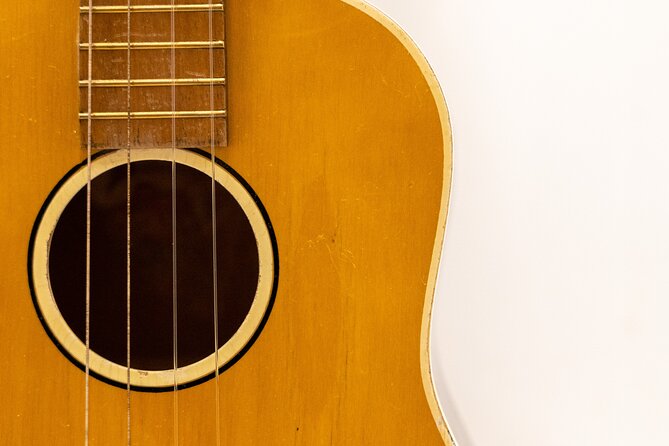
The early material is one of the museum’s strongest sections. Original guitars and drums from the Hamburg days help you picture the group before global fame, when long performances and hard travel were part of their working life.
You will also find material about the people who helped the Beatles get started. One useful feature is the attention given to Stuart Sutcliffe, the group’s early bassist, whose role is sometimes overlooked by visitors who know the familiar four-man lineup. The museum adds context around the band’s first formation and the support network that helped them move forward.
This personal angle gives the displays more value than a simple parade of famous photographs. You get a sense of the group as a changing project, not a finished legend that appeared fully formed. For me, these early details are more interesting than repeated images of the band at the height of Beatlemania.
The museum also includes interviews connected with the Beatles’ journey, including Sir Paul McCartney. These spoken accounts help explain the people and events behind the objects, rather than leaving you to guess why each item matters.
Rare objects from tours and recording rooms
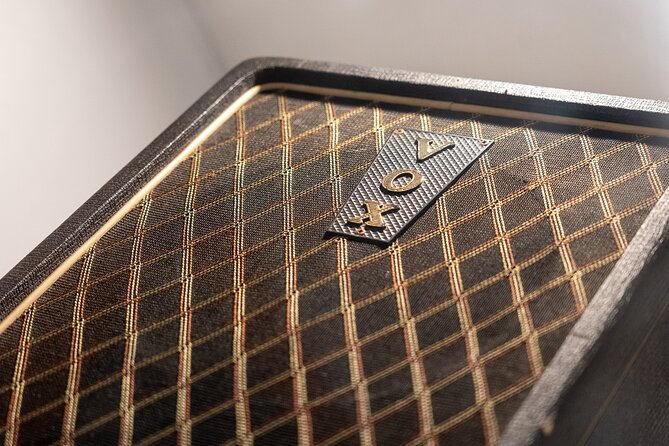
Some of the most memorable pieces are linked to the Beatles’ working life. John Lennon’s itinerary from the group’s first American tour is a small but telling item. It shows the practical side of a trip that became a major moment in popular music.
Seats from Shea Stadium and Candlestick Park connect the collection with the band’s huge live shows. These are not just decorative pieces. They remind you how quickly the Beatles moved from clubs and theaters to enormous stadium audiences, where the noise often made performing difficult.
The museum also displays genuine gold and platinum discs. They provide a visual measure of the band’s sales and worldwide reach, although the personal objects and working equipment usually offer more human interest.
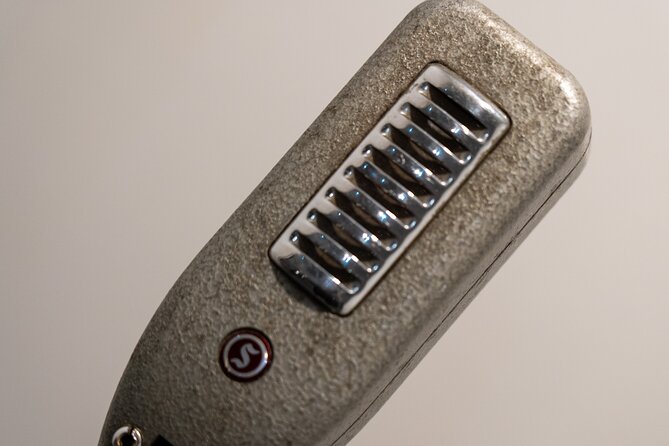
Studio items include spotlights and monitors from Abbey Road Studios. For anyone interested in how recordings were made, these objects add a useful link between the music you know and the rooms and equipment used to create it.
A particularly unusual display is the white cello associated with Magical Mystery Tour. It is the sort of odd, specific object that gives a museum visit a sense of discovery. You may also find quirky props from Beatles films and photo shoots, along with medals connected with Sgt. Pepper.
More Museums:
- Skip-the-Line in The National Museum of Popular Music Ticket
★ 4.5 · 205 reviews - Anfield Abseil with Free Entry to the LFC Museum
★ 5.0 · 171 reviews - Liverpool Football Club Museum Entry
★ 5.0 · 10 reviews - Tower of London and Crown Jewels Exhibition Ticket
★ 4.5 · 6,677 reviews
Why the audio guide is worth using
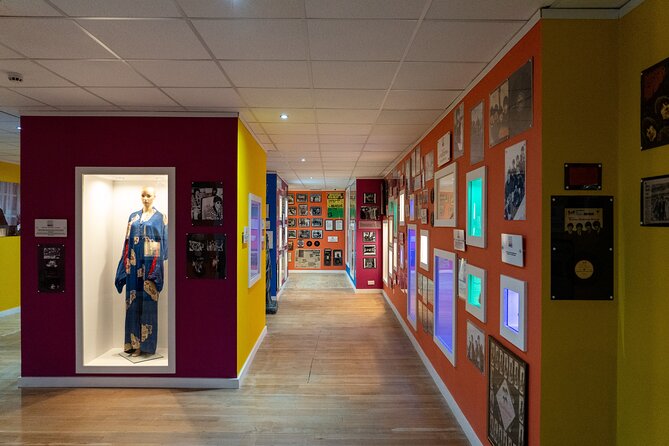
You can look at the exhibits on your own, but the audio guide adds much more structure. Numbered sections and alcoves allow you to select information as you move through the museum. The recorded explanations help identify instruments, people, and events that may not be obvious from a label.
I would use the guide if you have any interest beyond taking photographs. Several sections contain many objects close together, and it is easy to miss the significance of a guitar, letter, photograph, or piece of studio equipment without added context.
The guide also helps younger visitors and family groups. Children who might lose interest in a wall of photographs can listen to shorter explanations and move through the museum at their own pace. Still, this is not a strongly interactive museum. If you want games, hands-on exhibits, or elaborate multimedia rooms, you may find the presentation fairly traditional.
An audio tour may involve a small extra charge of about £2, according to the available visitor information. Confirm the current cost when you arrive, since the basic admission price does not clearly include it.
The museum’s strongest personal details
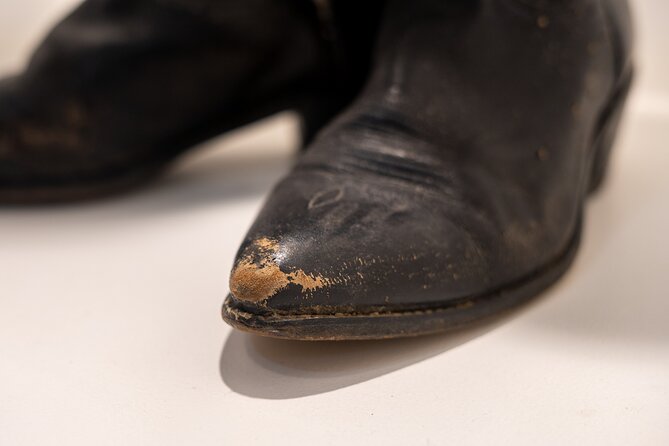
The collection is at its best when it moves away from the most familiar Beatles images. Personal letters, belongings, tour documents, and material connected with people close to the group create a more intimate visit.
The India section is another highlight. It links the Beatles with their time in Rishikesh and the interest in Transcendental Meditation that influenced many people in the 1960s and 1970s. Even if you know the broad outline, seeing this period included in the museum helps show how the group’s influence reached beyond records and concerts.
Photographs also appear throughout the displays. Some are candid rather than polished publicity shots, and these can trigger memories of the band’s changing appearance and public image. The collection covers the familiar 1960s story, but it also gives attention to the roots and transitions that shaped it.
A few displays may feel less direct if you expect every item to have belonged to one of the four Beatles. Some material relates to early members, associates, or people around the group. That wider approach is valuable if you want the full story, but it may disappoint you if your main goal is to see only objects handled by John, Paul, George, or Ringo.
How long should you plan for?
The official estimate is one to two hours. I think two hours is the safer plan if you want to use the audio guide, read labels, and pause at the major objects.
A quick visit is possible if you mainly want to see the famous instruments, photographs, records, and film items. Dedicated fans may still feel rushed after two hours because the displays are dense, with more material than you can fully read in one pass.
The museum closes at 5 p.m. during the stated dates, so avoid arriving late in the afternoon if you want a relaxed visit. A morning entry also leaves time afterward for the Cavern, a Matthew Street walk, or another Beatles attraction.
If you are coming from outside Liverpool, the museum can fit neatly into a day in the city. One visitor arrived at 11:30 a.m. by train and still had enough time to see the collection. That is reassuring, but I would not cut your timing too close if you also have a separate walking tour or timed activity.
Stairs, seating, and family visits
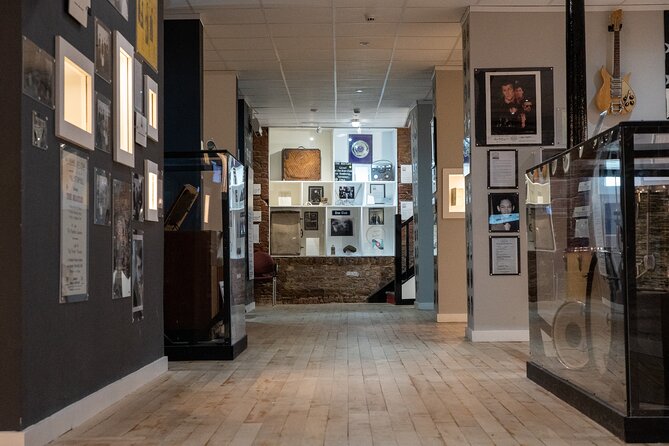
The staircases are the main practical concern. The building is described as five floors, while the visitor route is also commonly described as three accessible display levels. Either way, expect repeated stair climbing rather than a flat, step-free museum visit.
This matters for anyone with mobility issues, older relatives, or small children who tire easily. Service animals are allowed, and most people can take part, but the stair layout makes the experience unsuitable for some visitors. Check directly with the museum before booking if you need step-free access or have specific mobility requirements.
There are places to sit and rest, though toilet facilities may feel limited. On a hot day, the temperature can add to the effort. Build in pauses and avoid treating the museum like a quick shop stop.
For families, the subject itself helps. Children who know the music may enjoy the instruments, stage material, and film props, while older children and adults can spend more time with the written and recorded material. The museum is suitable for the whole family, but it is better for families who are comfortable with a quieter, object-focused visit.
Is $27.73 a fair price?
At about $27.73 per person, admission is reasonable for a Beatles fan who will spend close to two hours inside. The collection is large, the objects are varied, and the location saves time if you are already visiting the Cavern and central Liverpool.
The value drops if you expect a major interactive production. This museum is mainly about authentic objects and information. It is not a concert, a guided walking tour, or a theatrical show, and food and drinks are not included.
Storage is available for pushchairs and luggage, which can be useful if you are moving through the city before checking into a hotel or continuing to the station. All fees and taxes are included in the listed price.
Free cancellation is available up to 24 hours before the start time for a full refund. Changes or cancellations made within 24 hours are not accepted for a refund. The experience also carries a weather-related cancellation condition, in which case you are offered another date or a full refund.
Who will enjoy it most?
I would recommend this museum first to people who already have some interest in the Beatles. You do not need to be an expert, but the visit rewards curiosity about the band’s early years, recording work, tours, and cultural influence.
It also suits:
- Families with older children who enjoy music and real objects
- Visitors who want a central Liverpool attraction near the Cavern
- Fans interested in instruments, stage equipment, and personal documents
- People who prefer a self-guided visit rather than a fixed group tour
- Anyone who wants to explore Beatles material beyond the most famous photographs
You may prefer another attraction if you want a highly theatrical presentation, a flatter route, or a short visit with only the best-known highlights. You should also compare it carefully with the Beatles Story at Albert Dock, since the two museums are separate and offer different settings and collections.
Should you book the Liverpool Beatles Museum?
Book it if you want a substantial collection of Beatles memorabilia in a central location, especially if original instruments, tour documents, studio equipment, and personal items appeal to you. The audio guide is a smart addition, and the Matthew Street address makes it easy to combine the museum with the Cavern.
I would skip it if stairs are a serious problem, or if you want interactive exhibits rather than display cases and recorded information. For most Beatles fans, though, the museum offers good value, a generous amount to see, and enough unusual material to make the visit more than a quick nostalgia stop.
FAQ
Where is the Liverpool Beatles Museum?
It is on Matthew Street in Liverpool, just a few doors from the Cavern.
How long does a visit take?
The visit takes approximately one to two hours. Fans who want to read most of the information may need longer.
What are the museum’s opening hours?
From July 1 through December 23, 2026, it is open Monday through Sunday from 10 a.m. to 5 p.m.
How much does admission cost?
The listed price is $27.73 per person.
Is a mobile ticket available?
Yes. The experience includes a mobile ticket.
Can I avoid waiting in line?
The ticket is promoted as a way to avoid crowds and includes admission to the museum. Entry still depends on the conditions at the venue when you arrive.
Is the audio guide included?
The museum offers an audio guide linked to numbered displays. Available information indicates that it may cost about £2 extra, so confirm the current charge at entry.
Is the museum suitable for people with mobility issues?
The museum requires several flights of stairs, and the visitor route is not suitable for people who cannot manage repeated steps. Contact the museum directly if you need specific accessibility information.
Are food and drinks included?
No. Food and drinks are not included.
Can I cancel for a full refund?
You can cancel up to 24 hours before the experience start time for a full refund. Cancellations or changes made less than 24 hours in advance are not accepted for a refund.
Just added around Liverpool
- Welcome to Liverpool Tour – 2 Hour Private Walking Tour★ 5.0 · 7 reviews
- Private Half-Day Liverpool Tour with a Local, Personalized★ 5.0 · 7 reviews
- 3 Hours Private City Highlights Liverpool Walking Tour★ 5.0 · 7 reviews
- Football Experience With A Local Host In Liverpool★ 4.5 · 8 reviews
- Liverpool Football Club Museum Entry★ 5.0 · 10 reviews
- The Liverpool Pass®: All top attractions inc. Hop-On Hop-Off Bus Tour | 2-Days★ 4.5 · 11 reviews
- Liverpool Ultimate Beatles Ticket To Ride Half-Day PRIVATE Tour★ 5.0 · 12 reviews
- Liverpool Film and Music – 2 hour Private Walking Tour★ 5.0 · 12 reviews
Beatles Tours, compared.

Private 3-Hour Guided Beatles Classic Tour of Liverpool
Read our review →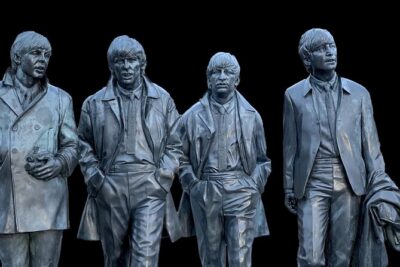
Mad Day Out Beatles Taxi Tours in Liverpool, England
Read our review →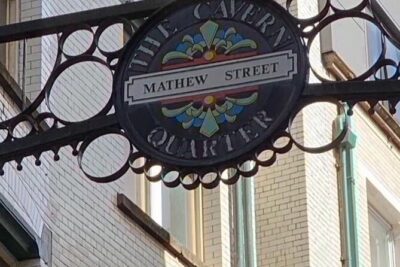
Beatles Famous Walking Tour Of Liverpool- Fully Guided
Read our review →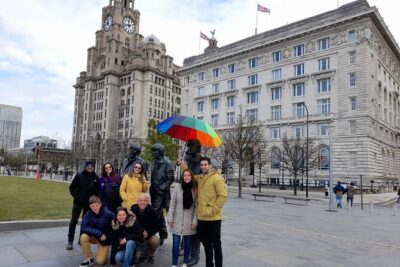
History Guided Tour of Liverpool and the Beatles
Read our review →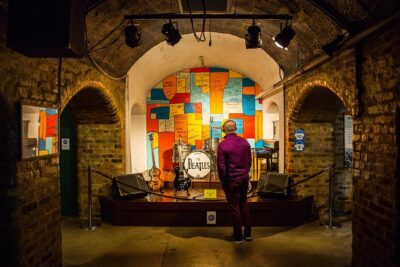
Liverpool and The Beatles Day Tour from London
Read our review →Browse the lists this tour appears in