
Reviewed · BRITISH MUSEUM TOURS
British Museum Guided Tour with Priority Timeslots(Small Group)
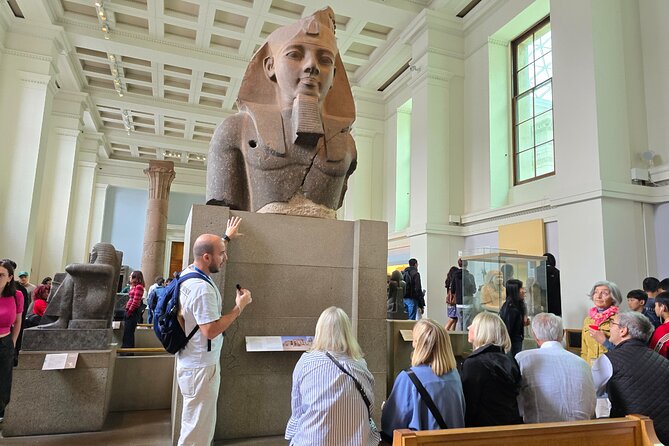
The British Museum can swallow a whole day. This two-hour tour gives you a clear route through its famous treasures, with a live guide explaining the stories behind the objects instead of leaving you to decode gallery labels alone. I especially like the small group of no more than 15 people and the use of headsets, which help you hear the guide in crowded rooms. The priority timeslot is another useful touch, particularly when your London schedule is tight.
The main drawback is simple: two hours can only cover a small part of a museum with more than 8 million objects in over 70 galleries. The tour also follows a highlights route, so anyone hoping to focus mainly on one period, such as ancient Egypt or Mesopotamia, may find the pace a little broad.
In This Review
- Key points at a glance
- Why the British Museum needs a plan
- Meeting at Great Russell Street
- The first minutes: getting your bearings
- Egypt, the Rosetta Stone, and the power of context
- Assyria and the winged bull
- Parthenon sculptures and the questions behind them
- Moai, Sutton Hoo, and the Lewis chessmen
- The guide makes or breaks the experience
- Why the headsets matter
- Two hours at a realistic pace
- Is $48.60 a fair price?
- Who should book this guided visit?
- Timing, cancellation, and practical details
- My verdict: book it for a strong first visit
- FAQ
- How long does the British Museum guided tour last?
- What language is the tour offered in?
- How many people can join the tour?
- Does the price include entry to the British Museum?
- Is the British Museum itself free to enter?
- Which British Museum highlights are included?
- Are headsets provided?
- Can I cancel for a full refund?
Key points at a glance
- Two hours, carefully focused: You visit major objects rather than wandering without a plan.
- A small group capped at 15: The format allows more personal attention than a large museum procession.
- Priority entry timeslot: You receive entry for the main entrance at a selected time.
- Headsets help in crowded galleries: You can hear live commentary without standing shoulder to shoulder with the guide.
- Guide quality is a major strength: Daniel, James, Joey, Tara, Tony, Rebekka, and Antonio are among the guides praised for clear storytelling and strong subject knowledge.
- Free time follows the tour: You can continue exploring the museum at your own pace after the guided portion.
Why the British Museum needs a plan
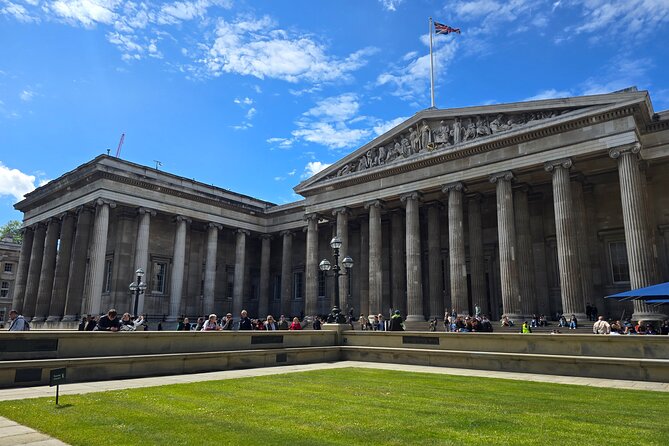
The British Museum is free to enter, but free does not mean simple. Its collection covers objects from around the world and thousands of years of human history. Without a route, it is easy to spend too long on the first gallery and then discover that you have missed the Rosetta Stone, the Parthenon sculptures, or the Egyptian rooms.
That is where this tour earns its keep. You are not paying simply to walk through the doors. You are paying for a route, interpretation, and help deciding what deserves your limited time. For a first visit, that can matter more than the admission cost itself.
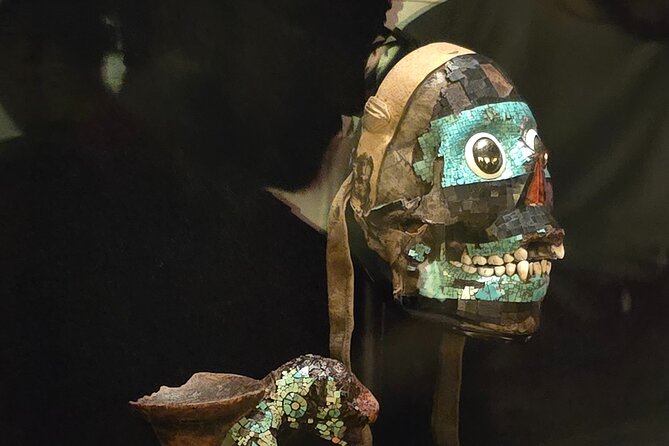
The guide takes you to important pieces including Egyptian statues and mummies, the Rosetta Stone, the Parthenon sculptures often called the Elgin Marbles, an Assyrian winged bull, the Easter Island Moai, the Sutton Hoo ship burial, and the Lewis chessmen. The exact balance can vary, since guides may respond to group requests or include personal favorites.
I like that flexibility. One guide, Daniel, was praised for accepting requests while still covering a broad range of the museum. Another, Tony, pointed out extra areas to see after the official tour. That gives you both a planned introduction and a chance to shape the experience slightly.
More British Museum tours:
- British Museum London Guided Tour Semi-Private 8ppl Max
★ 5.0 · 984 reviews - The British Museum London – Exclusive Guided Museum Tour
★ 5.0 · 555 reviews - British Museum Guided Tour
★ 4.0 · 470 reviews
Meeting at Great Russell Street
The meeting point is the British Museum, Great Russell Street, London WC1B 3DG. The activity begins and ends at the meeting point, so the tour does not finish at a second London attraction or transport stop.
You receive confirmation when booking, and the museum is near public transportation. Since the start time is part of the experience, allow yourself enough time to reach the museum and locate the meeting point without rushing. A priority timeslot helps with entry, but it does not remove the need to arrive prepared and on time.
The tour is offered in English. Most people can participate, and the maximum group size is 15. That is small enough for a guide to keep an eye on the group, answer questions, and adjust the pace when practical. It is not a private tour, though, and popular objects can still attract other groups and museum visitors.
The first minutes: getting your bearings
A good museum guide does more than point at famous objects. The early part of this experience gives you a sense of how the collection fits together, then moves you toward major highlights.
This orientation is valuable because the British Museum can feel like several museums joined under one roof. You may move from Egypt to Assyria, then to ancient Greece, the Pacific, medieval Europe, and Anglo-Saxon Britain. The range is exciting, but without context it can become a parade of disconnected objects.
The strongest guides appear to use stories to connect the displays. James was praised for making the visit feel like hearing history for the first time. Tara was noted for bringing individual pieces to life with memorable accounts and clear instructions. Rebekka received praise for taking the group through the museum in a logical, thoughtful way.
That storytelling is the main reason to choose a live tour instead of relying only on an audio guide. You can ask a question, hear an explanation aimed at your group, and get help spotting details that are easy to miss.
Egypt, the Rosetta Stone, and the power of context
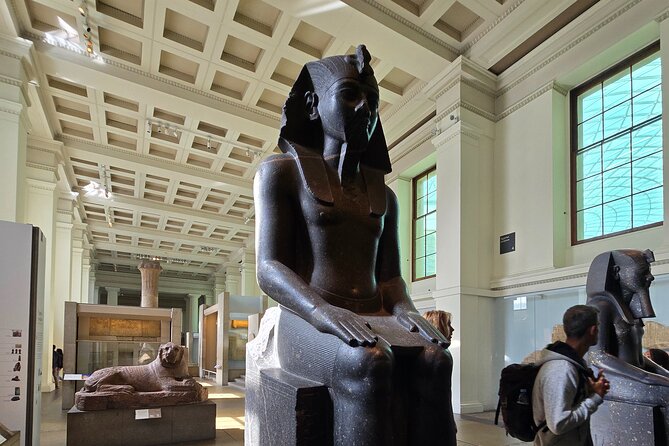
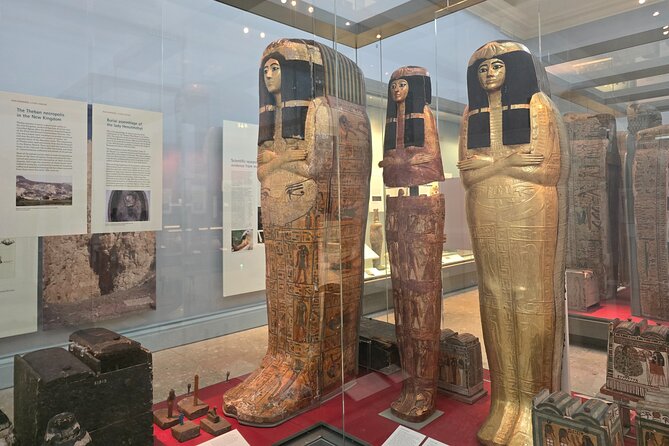
The Egyptian collection is one of the tour’s major draws. You may see statues, mummies, and the Rosetta Stone, an object central to the modern deciphering of Egyptian hieroglyphs.
The value here is not just seeing a famous slab of stone. The guide can explain why the inscriptions mattered and how the object fits into the wider story of ancient Egypt and later scholarship. A label gives you facts. A live explanation can help you understand why this particular object changed what people could read and know about the ancient world.
The Egyptian galleries can be popular, so the headset becomes useful. You may stand a short distance away while the guide speaks, rather than trying to crowd around a single spot. One guide was specifically praised for keeping commentary clear through the provided earpieces on a very busy day.
If Egypt is your main interest, tell the guide at the start if there is an opportunity to do so. The route is designed to cover highlights across the museum, not to provide a full specialist tour of the Egyptian collection.
More Museums in London:
- Tower of London and Crown Jewels Exhibition Ticket
★ 4.5 · 6,677 reviews - Chelsea FC Stadium Tours and Museum
★ 5.0 · 1,908 reviews - Official tickets: Moco Modern & Contemporary Art Museum
★ 4.5 · 1,157 reviews - The Postal Museum Admission Ticket
★ 4.5 · 347 reviews
Assyria and the winged bull
The Assyrian winged bull offers a different kind of museum experience. It is large, imposing, and easy to appreciate at a glance, but the details reward explanation. The guide can direct your attention to its form, purpose, and place within the museum’s ancient Near Eastern holdings.
This is one of the reasons I prefer a guided first visit. You are encouraged to look beyond size and spectacle. The object becomes part of a culture and a political world, not just a dramatic stone figure in a grand room.
One point to consider is time allocation. A family review praised the detailed explanations but felt that the tour spent a while in Mesopotamia and would have preferred more coverage of other periods. That is a fair warning. A guide’s enthusiasm can pull the group toward a subject, and two hours leave little room to linger everywhere.
Parthenon sculptures and the questions behind them
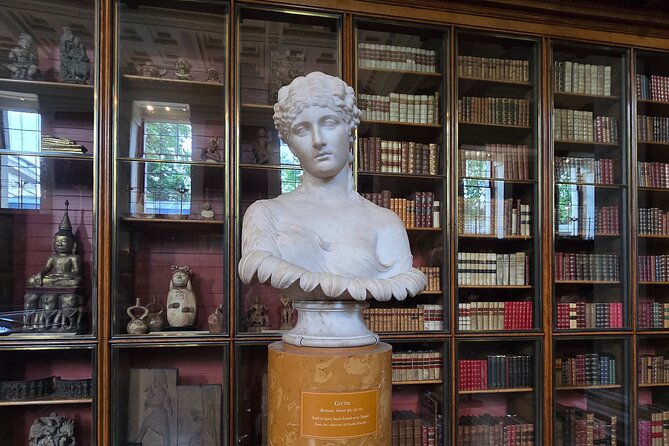
The Parthenon sculptures are among the museum’s best-known displays. They are also connected to ongoing questions about ownership, removal, and the responsibilities of museums holding objects from other countries.
A strong guide can make this stop more than a quick look at classical marble. You may hear about the sculptures’ original setting and why their presence in London remains debated. The tour is not only about admiring beautiful objects. It also gives you a chance to think about how museums acquired, displayed, and explained them.
Because the tour covers a wide range of exhibits, you should not expect a long seminar on the Parthenon sculptures. The guide’s job is to give you a useful introduction and keep the group moving. If this is your top priority, use the free time afterward to return for a slower look.
Moai, Sutton Hoo, and the Lewis chessmen
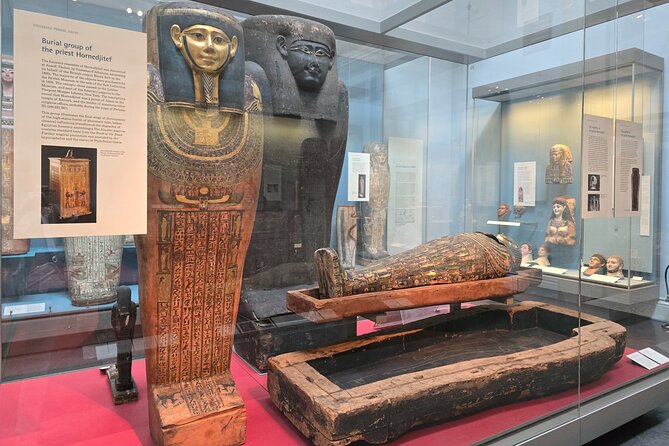
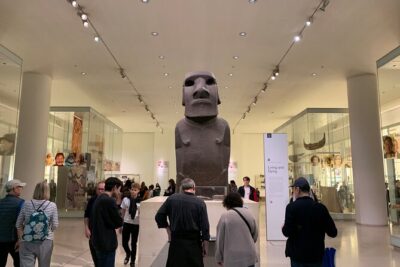
The Easter Island Moai statue brings the Pacific into the route. Its scale and familiar outline make it an easy highlight, but the guide’s interpretation helps place it in the culture that created it. This is the sort of stop that can broaden your view of the museum beyond the usual Egypt and Greece circuit.
The Sutton Hoo ship burial shifts the focus to early medieval Britain. It is a reminder that the museum is not only about distant ancient civilizations. The display connects to archaeology, burial customs, craftsmanship, and the people who lived in Britain long before modern London took shape.
The Lewis chessmen provide a more intimate stop. Their small size contrasts nicely with the winged bull and monumental sculptures. These carved figures are memorable because they combine everyday play with evidence of medieval art and society.
Together, these objects give the tour a useful rhythm. You are not looking at one civilization for two straight hours. You move across regions and periods, which keeps the route lively, though it also means no single topic receives full treatment.
The guide makes or breaks the experience
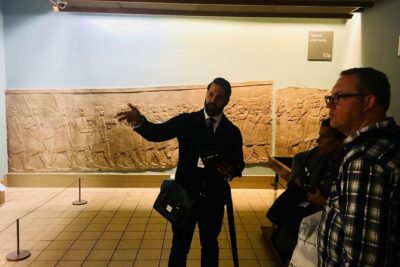
The most praised part of this tour is the human element. Daniel appears repeatedly as a favorite for his subject knowledge, humor, calm manner, and ability to make the museum feel alive. James is praised for polished storytelling and for holding attention throughout the visit. Joey is described as prepared, accommodating, and passionate about history.
Other guides receive equally warm comments for communication and organization. Tara was praised for engaging the whole group and starting promptly. Antonio was noted for clear pre-tour communication and for steering people through a crowded museum. Tony helped a group find additional areas after the main route, while Rebekka brought a logical structure to the visit.
Of course, you cannot select a particular guide based on the information available here. That means the tour’s quality depends partly on who leads it. Still, the repeated praise for different guides suggests that the provider has several strong personalities on its roster.
The tone also seems to matter. The best guides combine facts with humor and stories, rather than delivering a list of dates. That makes a difference in a museum where fatigue can arrive before the second hour is over.
Why the headsets matter
The headset option may sound like a minor detail, but it is practical. Museum galleries can be noisy, and groups often gather around the same famous object. If you are standing at the edge of a group, you can still hear the guide’s live commentary rather than missing half the explanation.
This also lets the guide move slightly ahead or position the group where the display is easiest to see. You are not required to stand directly beside the guide at every moment.
One important distinction: the headset does not create a private museum. Other groups may be discussing the same objects, and popular rooms can feel crowded. The equipment improves hearing, not personal space.
Two hours at a realistic pace
The tour lasts about two hours. That is long enough for a useful first look and short enough to fit into a busy London day.
Several guides were praised for keeping the pace brisk without making the experience feel rushed. One comment described the two hours as passing very quickly. That is usually a good sign, but it also tells you what this tour is not: a slow, specialist examination of every gallery.
Expect to stop at major objects, hear a focused explanation, and move on. You may cover Egypt, Mesopotamia, Greece, the Pacific, medieval Europe, and Anglo-Saxon Britain in one route. The reward is range. The tradeoff is limited time at each display.
At the end, you are free to keep exploring at your own pace. This is an important part of the value. The guided portion gives you a map in your head, then you can return to a favorite room or visit displays the guide could not fit into the schedule.
I would plan the rest of your museum time before you arrive. Note which objects you most want to revisit, since the museum’s scale can again work against you once the tour ends.
Is $48.60 a fair price?
The price is $48.60 per person. Since the British Museum itself is free to enter, you should judge this as a payment for the guide, the organized route, the small group, and the priority entry timeslot.
For a first visit during a short London trip, I think the price can be fair. You avoid spending your limited time wandering between galleries, and you receive interpretation that a sign cannot provide. The headset is also useful when the museum is crowded, and a group of 15 or fewer is more manageable than a large coach-style tour.
The value is weaker if you already know the museum well, prefer to explore alone, or want to spend two hours in one specialized department. The museum’s free admission makes independent visiting a real alternative. You can save the tour cost and use the museum’s displays at your own pace.
Book this experience for direction and explanation, not simply for entry. That distinction keeps your expectations sensible.
Who should book this guided visit?
This tour suits a first-time visitor who wants the major sights without spending hours planning a route. It is also a good fit for families, couples, and short-stay visitors who want an introduction before exploring independently.
You will likely appreciate it if you:
- Have about two hours for the British Museum
- Want to see famous objects across several cultures
- Prefer a live guide to a recorded audio guide
- Find large museums overwhelming
- Value a small group and clear commentary
- Want ideas for what to see after the tour
It may not suit you if you want a slow art-focused visit, a single-period specialist tour, or complete control over the route. The group’s requests can influence the experience, but the guide still needs to cover the main highlights.
The tour is offered in English, so you should be comfortable following spoken English for two hours. Tips are not included, and you can decide separately if you wish to tip the guide.
Timing, cancellation, and practical details
The experience is often booked about 38 days ahead, which suggests that planning early is sensible, especially if you need a particular time in your London itinerary. Confirmation is received at booking.
Free cancellation is available up to 24 hours before the start time for a full refund. Changes or cancellations made less than 24 hours before the start are not accepted for a refund. The stated policy also notes that the experience can be canceled if the minimum number is not reached or because of poor weather, with a different date, another experience, or a full refund offered in those cases.
The weather condition may seem unusual for a museum visit, so check the provider’s message before setting out. The activity begins and ends at the British Museum, and public transportation is nearby.
My verdict: book it for a strong first visit
I would book this tour if I had limited time in London and wanted the British Museum to feel organized rather than overwhelming. The combination of a small group, live commentary, headsets, and a route through major objects gives you a useful introduction for $48.60.
I would skip it if I had already visited several times or wanted to choose every room myself. For everyone else, especially first-time visitors, the guide can turn a free but sprawling museum into a focused two-hour experience, then leave you with enough direction to continue on your own.
FAQ
How long does the British Museum guided tour last?
The tour lasts approximately two hours.
What language is the tour offered in?
The tour is offered in English.
How many people can join the tour?
The activity has a maximum of 15 travelers.
Does the price include entry to the British Museum?
Yes. The price includes entry through the main entrance with a priority timeslot.
Is the British Museum itself free to enter?
The museum is free to the public, but this experience charges for the guided service, priority timeslot, and related tour features.
Which British Museum highlights are included?
The route can include Egyptian statues and mummies, the Rosetta Stone, Parthenon sculptures, an Assyrian winged bull, an Easter Island Moai statue, the Sutton Hoo ship burial, the Lewis chessmen, and other major objects.
Are headsets provided?
A headset option is available. The equipment helps you hear the guide’s live commentary clearly in crowded galleries.
Can I cancel for a full refund?
Yes. You can cancel at least 24 hours before the experience start time for a full refund. Cancellations or changes made less than 24 hours before the start are not accepted for a refund.
Just added around London
- The Private British Museum Tour★ 5.0 · 6 reviews
- London to Southampton Cruise Port | Private Transfer★ 5.0 · 6 reviews
- London’s Chinatown Food Experience★ 4.0 · 6 reviews
- London Gatwick (LGW) Airport Departure Private Transfer – Hotel to Airport★ 4.0 · 6 reviews
- Christmas in Canterbury, Dover and Greenwich with Christmas Lunch★ 4.5 · 6 reviews
- Transfer from Heathrow Airport to London hotel on private car★ 4.5 · 6 reviews
- Jazz Notes – Jazz Jam Ticket★ 5.0 · 6 reviews
- Transfer from London Stansted Airport to Central London★ 5.0 · 6 reviews
British Museum Tours, compared.
British Museum London Guided Tour Semi-Private 8ppl Max
Read our review →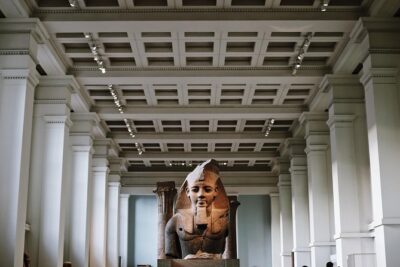
The British Museum London – Exclusive Guided Museum Tour
Read our review →
Private Guided Tour of the British Museum – Tickets Included
Read our review →
British Museum & National Gallery of London Semi-Private 8ppl Max
Read our review →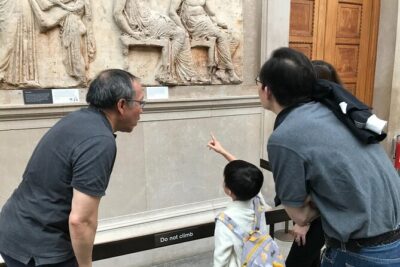
Explore Biblical Artifacts at the British Museum
Read our review →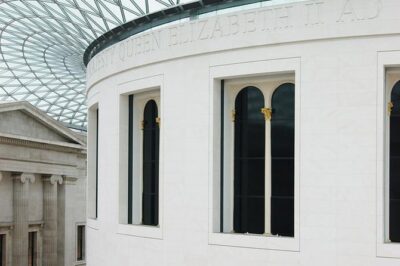
British Museum Highlights Private Tour in London including the Rosetta Stone
Read our review →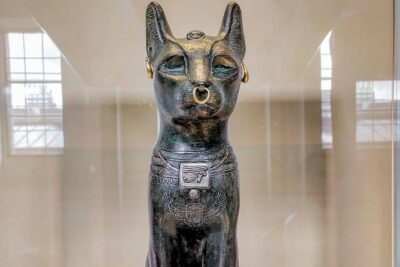
Crash course in archaeology at the British Museum
Read our review →Browse the lists this tour appears in