
Reviewed · HISTORICAL TOURS
Curious Cambridge – The History Tour that’s FUN!!!
Cambridge has more stories than spires. Curious Cambridge turns a 90-minute walk into an entertaining introduction to the city, linking famous colleges with odd tales, old rivalries, daring pranks, and more than 1,000 years of local history. I like the lively storytelling and the route’s wide sweep from the old port area to the Corpus Clock.
I also like that guides such as Peter, Ben, Simon, Chuck, and Chris adjust their explanations to the group. That makes the tour work for adults, families, and older children. The main drawback is that you see the colleges from outside, and a late guide illness has occasionally led to cancellation when no replacement was available.
In This Review
- Key points to know before you book
- Why Curious Cambridge works better than a dry history lesson
- Starting at Jesus Green and the old port road
- St. John’s and the first seeds of the University
- Trinity College, Newton, and a famous prank
- Trinity Lane and the rougher side of college life
- Gonville and Caius and the Nightclimbers
- Market Square, bells, and town versus gown
- St Bene’t’s Church and Cambridge’s oldest building
- Castle Hill and the beginning of Cambridge
- The guide makes the difference
- Price, timing, and who gets the best value
- Should you book Curious Cambridge?
- FAQ
- How long is Curious Cambridge?
- Where does the tour start?
- Where does the tour finish?
- Does the tour enter the Cambridge colleges?
- How many people can join the tour?
- Can I cancel for a full refund?
Key points to know before you book
- A story-led walk, not a formal lecture: Expect humor, local legends, college rivalries, and memorable oddities alongside the basic history.
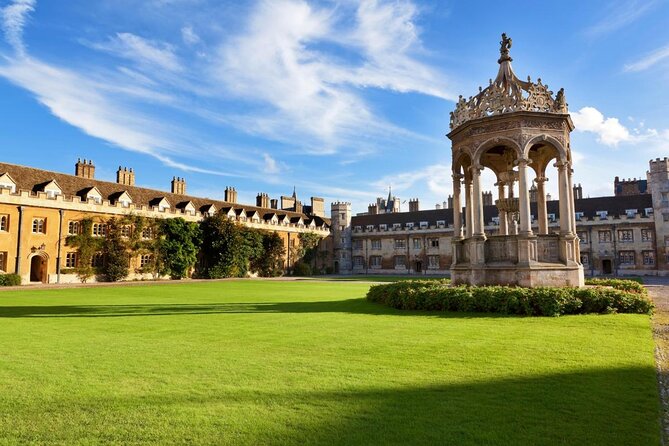
- Nine Cambridge landmarks in about 90 minutes: The route covers Magdalene College, St. John’s, Trinity, Trinity Hall, Gonville and Caius, the Market Square, St Bene’t’s Church, and Castle Hill.
- The colleges are viewed from outside: Entry to college chapels, libraries, and grounds is not included, so plan separate visits if you want to go inside.
- A strong choice for families: One guide kept a 15-year-old interested, while another made the walk enjoyable for a 9-year-old.
- Small-group feel: The maximum group size is 25 people, which should make it easier to hear the guide and ask questions.
- A useful first look at Cambridge: The walk ends at the Corpus Clock opposite King’s College, putting you near several central sights for further exploring.
Why Curious Cambridge works better than a dry history lesson
Cambridge can be hard to read at first. You see ancient lanes, college walls, church towers, and bicycles, but the connections between them are not always clear. This tour gives you a basic map of the city while adding the kind of strange details you are likely to remember later.
The tone is deliberately light. You still learn about Cambridge’s beginnings, the University, town and gown conflict, major college figures, and the city’s changing fortunes. But the facts arrive through stories about night climbers, old insults, student pranks, suspiciously named lanes, and a famous clock creature.
That approach matters if you are visiting with children or with someone who tires quickly of dates and names. Simon is praised for his enthusiasm and storytelling, while Chris is noted for handling different ages in the same group. One family found that even a 15-year-old enjoyed it, and another said their 9-year-old particularly liked the tour.
I would think of Curious Cambridge as a lively orientation walk. It will not replace a full college visit or a specialist history tour, but it can help you decide what deserves more of your time afterward.
More Historical Tours:
- Cambridge’s History & Secrets with Self-Guided Walking Tours
★ 4.5 · 9 reviews - London Small Group Tour of Historical Pubs
★ 5.0 · 10,422 reviews - Soho Music & Historic Pubs Tour
★ 5.0 · 1,993 reviews
Starting at Jesus Green and the old port road
The meeting point is Jesus Green Lock House, Cambridge CB4 3AX. The walk begins with Cambridge as a place, rather than rushing straight into a list of college names. The exact opening can change depending on questions and group interest, but the planned route moves toward the central sights.
The first substantial stop is Magdalene College and Magdalene Street, beside the bridge and an ancient roadway. This area once formed the heart of Cambridge’s port. That detail gives you a useful correction to the modern picture of Cambridge as mainly a university town. Water, trade, and movement helped shape the city long before college tourism became its main business.
You get about ten minutes here. It is enough time for a compact explanation and questions, but not an extended architectural visit. Since admission is not included, you should not expect to cross into the college grounds.
St. John’s and the first seeds of the University
The next stop brings you to St. John’s College and the Round Church. The church helps place the University in a wider setting. Cambridge’s academic story did not appear from nowhere. Religious institutions, roads, trade, and groups of scholars all played a part in its early development.
The guide uses this area to explain the seeds of the University. That makes the stop more useful than simply pointing out a grand gate or chapel. You begin to understand how a working medieval town and an academic institution grew alongside one another, sometimes cooperatively and sometimes not.
The Round Church is also a practical visual marker. Even if you do not remember every date, you will have a clear reference point for the early story of Cambridge. As with the other college stops, the focus is on what you can see from the street.
Trinity College, Newton, and a famous prank
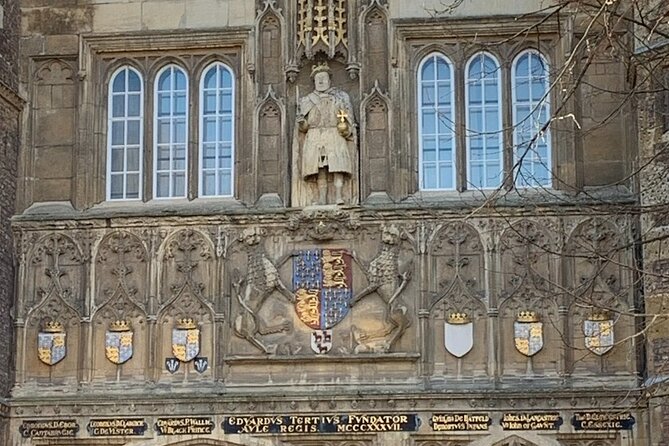
Trinity College is one of the major highlights. It is described as the wealthiest college in Oxford or Cambridge and is connected with Isaac Newton. The guide also brings in one of Cambridge’s longest-running pranks, a detail that keeps this section from becoming a list of famous alumni.
You should expect a mix of grand institutional history and student mischief. That balance is one reason the walk has been praised as informative but easy to remember. Ben, one of the named guides, is particularly praised for combining ancient and recent facts with an entertaining delivery.
The limitation is important: you do not enter Trinity on this tour. If seeing the interior, chapel, or library is a priority, treat this walk as preparation and arrange a separate college visit. The tour helps you know what you are looking at, but it is not an admission ticket.
Something different for another day:
- Cambridge University Walking Tour by Alumni™ Kings College Option
★ 5.0 · 2,336 reviews - Cambridge University With Alumni: Optional Kings College Entrance
★ 5.0 · 1,987 reviews - Punting Tour in Cambridge
★ 4.5 · 1,690 reviews - Shared Guided Punting Tour of Cambridge
★ 5.0 · 787 reviews
Trinity Lane and the rougher side of college life

Trinity Lane offers a smaller but memorable stop. The lane was once known as pisspot lane, a blunt reminder that historic Cambridge was not all polished courtyards and scholarly calm. The joke is part of the appeal, but the underlying point is useful: old streets often preserve the practical, messy life of the people who used them.
The guide also makes a playful reference to umbrellas, which fits the tour’s willingness to use humor when discussing less respectable details. You are not asked to admire Cambridge from a distance. You get a glimpse of the city as a place where students, townspeople, workers, and visitors shared tight streets.
This is a short stop, around ten minutes, so the explanation stays focused. It works well as a change of pace after the grander Trinity discussion.
Gonville and Caius and the Nightclimbers
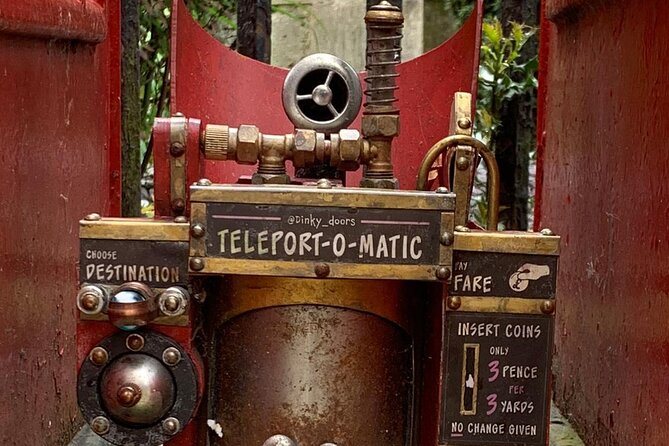
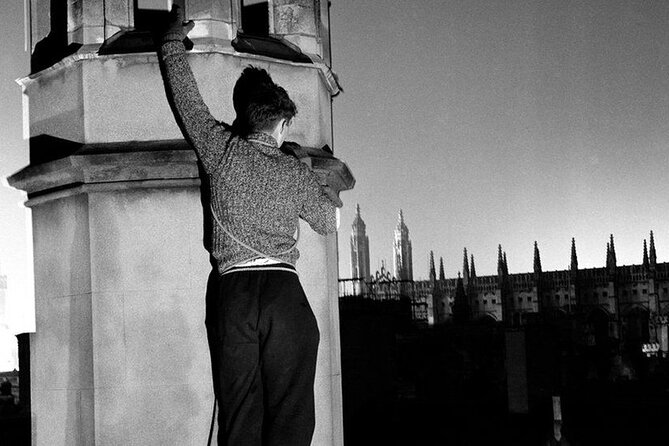
At Gonville and Caius College, the subject turns to the famous Nightclimbers. The name alone suggests the sort of unusual student behavior that makes this tour different from a standard architectural walk. The guide also explains a strange instruction left by the college’s founder.
This section is a good example of how Curious Cambridge uses human stories to make institutions easier to remember. You may not recall every founding detail, but you are more likely to remember that a powerful college had an unusual rule and a reputation tied to nighttime climbing.
Again, you are looking at the college from outside. That keeps the price low and allows the group to cover several parts of Cambridge, but anyone hoping for extended interior access should plan another activity.
Market Square, bells, and town versus gown
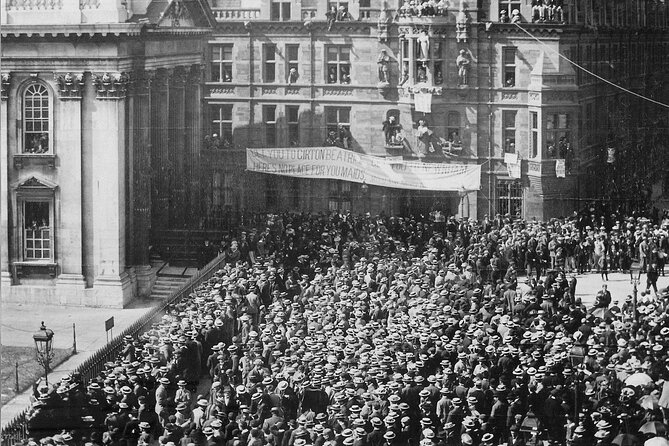
Cambridge Market Square gives the walk a broader civic focus. It is one of England’s oldest markets and a place where the town’s daily life meets the University’s authority and influence. The guide also covers town and gown fights, which adds some historical friction to the elegant image of Cambridge.
The square is linked with what the tour describes as the most famous bell chimes in the world. That is a bold claim, and the guide presents it as part of the local story rather than asking you to accept a dry fact without context.
This stop helps explain why Cambridge should not be viewed only through its colleges. Markets, public spaces, church bells, and arguments between townspeople and students all belong to the city’s identity. If you want an introduction to Cambridge beyond postcard views, this is an important part of the route.
St Bene’t’s Church and Cambridge’s oldest building
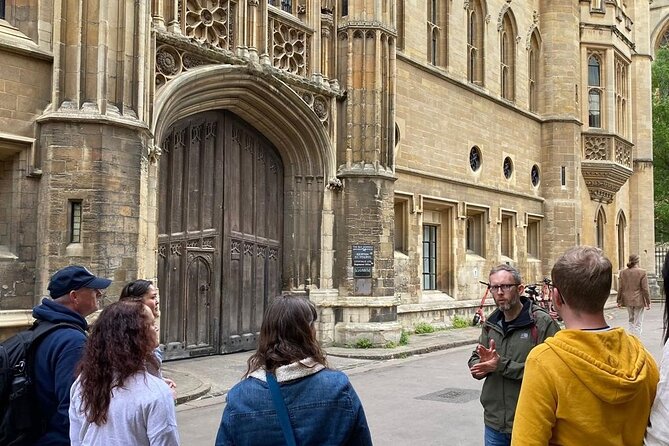
Benet Street contains the tour’s oldest surviving architectural highlight: St Bene’t’s Church, described as the oldest building in Cambridge. The church gives you a direct connection to the city’s early past, and its presence among later college buildings makes Cambridge’s layers easy to see.
The same section includes the laboratory associated with the discovery of the secret of life. The guide also points out the pub where the announcement was made over a pint. This is the sort of story that bridges old Cambridge and modern science, connecting a major discovery with an ordinary social ritual.
The stop finishes with the Corpus Clock. The clock’s famous Chronophage, a creature that appears to eat time, is a memorable endpoint. It is also a convenient one. The tour ends at 58 Trumpington Street, opposite King’s College, so you are well placed to continue exploring central Cambridge after the walk.
Peter’s approach includes using pictures of landmarks to help explain what you are seeing and suggesting chapels, libraries, and museums to visit later. That is useful because exterior views can only tell you so much. A short tour is more valuable when it points you toward sensible next steps.
Castle Hill and the beginning of Cambridge
Castle Hill shifts the focus away from the colleges and back to the city’s earliest roots. This is presented as the place where Cambridge began, with Romans, Vikings, and Normans all connected to the last bridge before the sea.
The stop gives the tour a wider time frame. You are no longer hearing only about University founders, famous scientists, and student behavior. You are looking at Cambridge as a strategic settlement shaped by invasion, transport, and control of the river crossing.
Because the route is guided by audience interest, the amount of time spent on each subject can vary. That is helpful if your group asks good questions, but it also means the experience may not feel identical every time. The planned structure is clear, though, with roughly ten minutes at each main stop.
The guide makes the difference
This experience depends heavily on the person leading it. The strongest praise goes to the guides’ energy, humor, and ability to tell a story without turning the walk into a chore.
Peter is praised for making the material relatable and using images to explain landmarks. Ben is described as entertaining while covering both old and recent Cambridge. Simon receives particular credit for keeping a teenager interested. Chuck is praised for an informative walk through key sites, and Chris is noted for handling a mixed-age family group well.
That range is encouraging because it suggests the company has more than one guide who can carry the format. Still, no walking tour is completely guide-proof. Delivery, group questions, weather, and crowd levels can affect the experience.
One serious but uncommon practical issue has occurred: a tour was cancelled at short notice because of guide illness, and no replacement was available. The provider apologized and offered a complimentary tour, but you should keep this possibility in mind if the walk is tied to a tight schedule. The standard policy allows free cancellation up to 24 hours before the start, while cancellations inside that window are not refunded. If the minimum group size is not reached, an alternative date or experience, or a full refund, is offered.
Price, timing, and who gets the best value
At $27.74 per person, the tour offers good value if you want a compact introduction to Cambridge’s story. You get about an hour and a half with a guide, a planned route through several central areas, and context that would be difficult to assemble from street signs alone.
The value drops if you expect admission to the colleges. You will see Trinity, St. John’s, Trinity Hall, Gonville and Caius, and Magdalene, but entry is excluded for time and cost reasons. Add separate college visits if interiors are central to your plans.
The maximum group size is 25, which is a reasonable limit for a city walk. The tour is offered in English, uses a mobile ticket, and starts near public transportation. Most people can take part, and service animals are allowed.
I would book it early if your schedule is fixed, especially since it is commonly reserved about 15 days ahead. The route is short enough to fit into a busy day, and the ending near the Corpus Clock makes it easy to continue to King’s College or other central sights.
Should you book Curious Cambridge?
Book this tour if you want humor, local stories, and a useful first look at Cambridge rather than a long academic lecture. It suits first-time visitors, families, curious teenagers, and anyone who wants the city’s main landmarks explained in a memorable way.
Skip it if your main goal is to tour college interiors or spend a whole afternoon on architectural detail. You will see important colleges, but from outside.
For most people, the best plan is to use Curious Cambridge near the start of a Cambridge visit. Let the walk explain the city’s characters and odd corners, then choose your own college, museum, chapel, market, or historic building for a closer look afterward.
FAQ
How long is Curious Cambridge?
The tour lasts approximately 1 hour and 30 minutes.
Where does the tour start?
The meeting point is Jesus Green Lock House, Cambridge CB4 3AX, UK.
Where does the tour finish?
The walk ends at the Corpus Clock at 58 Trumpington Street, opposite King’s College.
Does the tour enter the Cambridge colleges?
No. The tour passes colleges including Magdalene, St. John’s, Trinity, Trinity Hall, and Gonville and Caius, but college entry is not included.
How many people can join the tour?
The maximum group size is 25 people.
Can I cancel for a full refund?
Yes, if you cancel at least 24 hours before the experience starts. Cancellations made less than 24 hours before the start time are not refunded.
Just added around Cambridge
- Secrets of King’s College Cambridge, Hawking, Darwin, Newton★ 4.5 · 7 reviews
- Cambridge’s History & Secrets with Self-Guided Walking Tours★ 4.5 · 9 reviews
- Private | Cambridge University Colleges Guided Punting Tour★ 4.5 · 13 reviews
- Tangential Cambridge: Private Walking Tour of Cambridge★ 5.0 · 14 reviews
- Explore Cambridge Student Life & Top Colleges Walking Tour★ 3.5 · 18 reviews
- Cambridge Famous Alumni Quest Experience★ 4.5 · 18 reviews
- Scholars & Secrets of Cambridge: Self-Guided Puzzle Adventure★ 3.5 · 19 reviews
- Private | Cambridge University Ghost Tour Led By University Alumni★ 5.0 · 28 reviews
Historical Tours, compared.
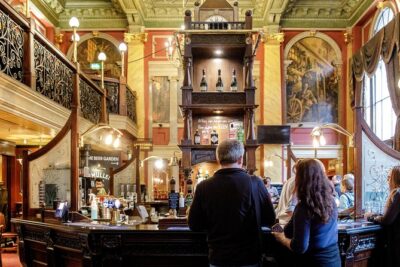

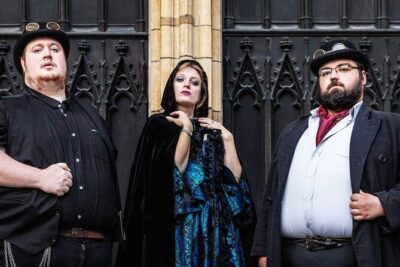
Shadows of York: Ghost Walk and Horrible History.
Read our review →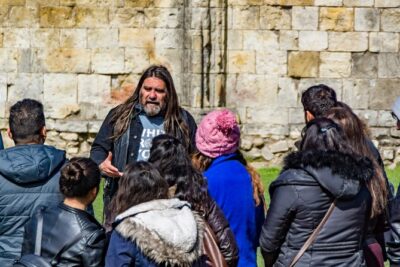
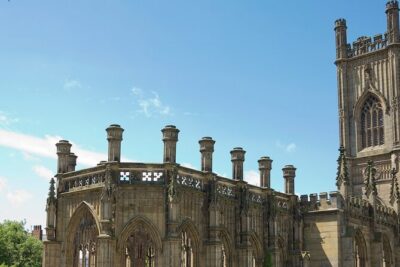
A Walk Through Time: History of Liverpool Walking Tour
Read our review →
Royal Historic Pubs Walking Guided Tour in London
Read our review →
Private Group: Historical Pub Walking Tour of London
Read our review →
Best Of Liverpool Heritage, History & Culture Guided Walking Tour
Read our review →Browse the lists this tour appears in