
Reviewed · OXFORD TOURS
Follow the Money Tour – by Uncomfortable Oxford™
Oxford has more than pretty colleges. Follow the Money turns the city into a debate about power, philanthropy, and who gets to shape the University. I like the small group size, capped at 15, and the way guides such as Hera Jay and Julie use questions instead of speeches. The main consideration is its subject matter: this is not a traditional sightseeing walk, and some stops focus more on discussion than grand interiors.
I also like the route’s clear arc, from Saïd Business School to the Blavatnik School of Government, with six stops that connect buildings to money and public life. At $89.12 per person, it is not a cheap way to spend 90 minutes, so you should book it for the analysis and conversation, not for admission to attractions. If you want Oxford’s postcard views and medieval legends, choose another walk, or pair this with one.
In This Review
- Key points to know before you book
- Oxford through the question of money
- Starting at Saïd Business School and Wafiq Said
- Middle Fisher Row Gardens and the Oxford housing crisis
- Nuffield College and the problem of a public memory
- The Sackler name at the Bodleian library
- Wellington Square and Oxford’s former workhouse
- Ending at Blavatnik and Schwarzman’s Oxford
- What the $89.12 price really covers
- Who will get the most from this walk?
- Practical planning for the 90-minute route
- My call: book it for the questions
- FAQ
- Where does the Follow the Money Tour start?
- Where does the tour finish?
- How long does the tour last?
- How much does the tour cost?
- Is the tour offered in English?
- How many people can join the tour?
- Are group discounts available?
- Is the ticket available on a mobile device?
- Are service animals allowed?
- Can I cancel for a full refund?
Key points to know before you book
- A 90-minute walk about university funding: The route links six Oxford sites to donors, housing, philanthropy, and political influence.
- Small groups make discussion possible: The maximum of 15 people suits a tour built around questions and shared opinions.
- Controversial donors are central: Wafiq Said, Lord Nuffield, the Sackler family, Leonard Blavatnik, and Stephen A. Schwarzman all enter the story.
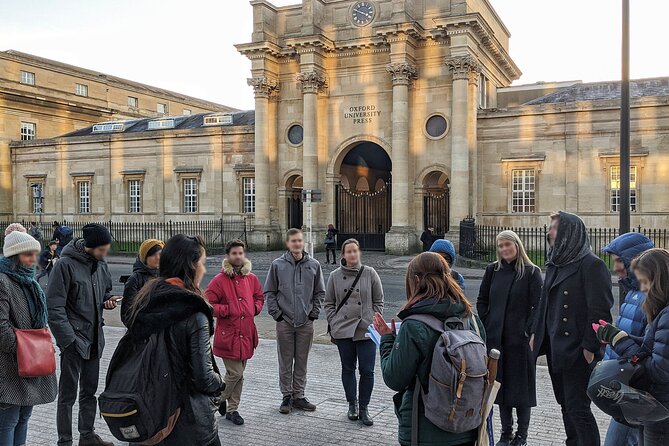
- The tour begins and ends outside major university buildings: Start at Saïd Business School and finish at the Blavatnik School of Government.
- It challenges the usual Oxford story: You look at who paid for buildings, what their money means, and how the city remembers them.
- The price pays for interpretation, not entry tickets: All six stops list free admission, and the value lies in the guide’s research and discussion.
Oxford through the question of money
Most Oxford walks point out old colleges, famous scholars, and stonework polished by centuries of weather. Follow the Money asks a less comfortable question: how did the University get the money to build, expand, and protect its influence?
That change in focus matters. You are not simply collecting names and dates. You are being asked to think about the link between wealth and reputation. A donation may fund a useful school, library, or scholarship. It may also attach a donor’s name to a building long after public arguments about that person have changed.
The guides keep this tension in view. The tour does not appear designed to tell you what to think. Instead, it presents documented material and invites the group to consider the moral line between accepting funds and rejecting them. That approach earned strong praise from people who found the walk thought-provoking, open, and well researched.
The discussion format is one of the tour’s best features. You may hear different views within the group, rather than receiving a fixed conclusion from the guide. That makes the experience more memorable, but it also means you should arrive ready to listen and speak.
Other Oxford trips people book alongside this one:
- Oxford University Walking Tour With University Alumni Guide
★ 5.0 · 6,905 reviews - 1.5-hour Oxford City and University Walking Tour
★ 4.5 · 1,383 reviews - Oxford Official University & City Tour
★ 5.0 · 1,134 reviews
Starting at Saïd Business School and Wafiq Said
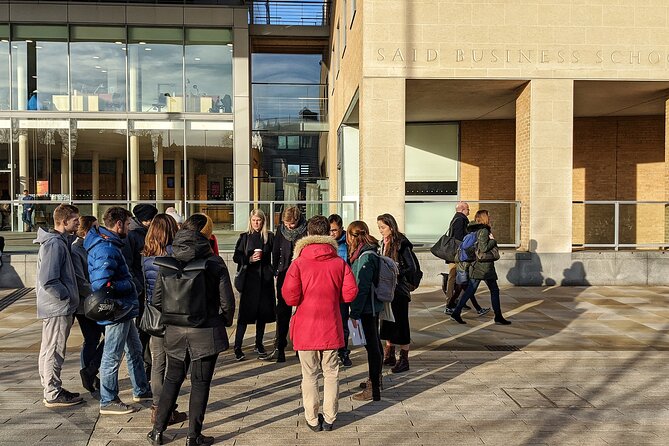
The walk starts outside Saïd Business School on Park End Street. This is an effective opening because the building puts business, prestige, and private wealth at the front of the story.
The first 15 minutes examine Wafiq Said and the controversies linked to his major donations to Oxford. The building is not just a meeting point. It becomes an example of how a donor’s name can become part of the University’s public identity.
You should expect context and discussion rather than a guided tour inside the school. The information supplied for the experience lists free admission at each stop, but it does not promise interior access. Plan to look at these buildings from the route and listen to the guide’s interpretation.
This first stop also sets the tone. If you prefer clean answers, you may find the open questions less satisfying. If you like examining how institutions make difficult decisions, it gives you the right start.
The meeting point is at Park End Street, Oxford OX1 1HP. Since the tour begins outside the Saïd Business School, allow enough time to identify the building and gather before the start. The experience is offered in English.
Middle Fisher Row Gardens and the Oxford housing crisis
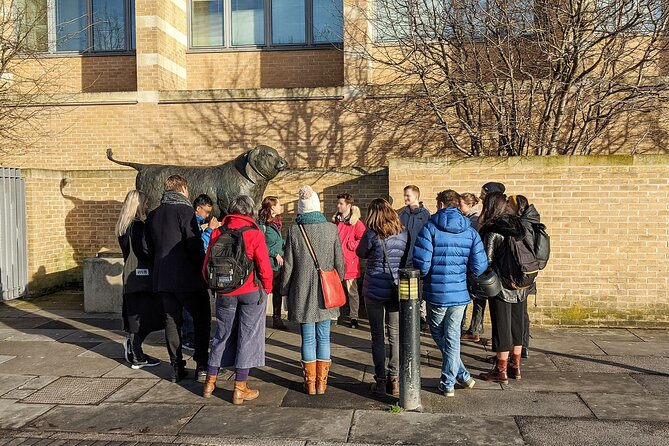
After the business school, the route moves to Middle Fisher Row Gardens. This small green space provides a change of pace, but the subject remains serious: Oxford’s ongoing housing crisis.
The setting helps connect university wealth to ordinary city life. A discussion about buildings and donations can feel abstract. Housing brings the issue closer to daily experience, asking how Oxford’s institutions affect the people who live around them.
You get about 15 minutes here. The stop is less about a famous monument and more about using a public space to consider the city’s pressures. That makes it a useful pause in the route, especially for anyone interested in urban policy or the relationship between the University and Oxford residents.
Do not expect a long garden visit or free time to explore. The garden is a place for the conversation. The tour’s structure keeps moving, so you will want to stay with the group and listen for the next transition.
This is also one reason the walk suits repeat visitors. Someone who already knows the main college sights may appreciate seeing Oxford through housing and public policy rather than another procession of medieval facts.
Nuffield College and the problem of a public memory
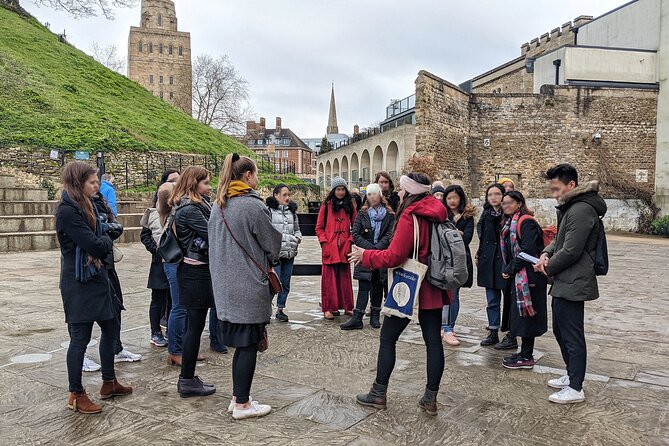
The third stop is Nuffield College, where the focus turns to Lord Nuffield and the tensions surrounding his memory in Oxford.
This section shows that donations do not end the discussion. A benefactor can support valuable work while leaving behind a legacy that people assess in different ways. The tour uses Nuffield College to ask how the city should remember a donor, and what happens when a name on a building carries both pride and discomfort.
Again, the strength is the setting paired with a question. You are not just looking at a college façade. You are considering how institutions preserve, explain, or challenge the names attached to them.
The stop lasts about 15 minutes. As with the other locations, the listed admission is free, but no interior visit is promised. If college architecture is your main reason for booking, this will feel limited. If you want a guided discussion about memory and institutional choices, it earns its place on the route.
The tone matters here. The supplied experience information describes guides who offer researched material without pushing a personal agenda. Hera Jay is praised for lively storytelling and discussion, while Julie is praised for creating a safe space for conversation. Guide assignments can change, but the format appears consistent with that approach.
Something different for another day:
- City Sightseeing Oxford Hop-On Hop-Off Bus Tour
★ 4.5 · 1,042 reviews - Harry Potter Walking Tour of Oxford Including New College
★ 4.5 · 930 reviews - Oxford Sightseeing River Cruise Along The University Regatta Course
★ 4.5 · 652 reviews - Afternoon Tea Sightseeing River Cruise in Oxford
★ 5.0 · 583 reviews
The Sackler name at the Bodleian library
The fourth stop reaches the Bodleian Art, Archaeology and Ancient World Library. You pause to admire the Romanesque building, but the architectural pleasure comes with a difficult subject: the library’s connection to the Sackler family.
This is one of the route’s clearest examples of the conflict between beauty, usefulness, and donor reputation. A building can serve students and scholars for years. Its name can still raise questions about the source of the funding and whether that name should remain in public view.
The Romanesque design gives the discussion a strong visual anchor. You can see how a donation becomes permanent in stone, arches, and institutional signage. That physical presence makes the issue easier to understand than a general talk about university finance.
You have around 15 minutes here. The stop is best treated as an exterior look and guided discussion, not a library tour. The experience does not list admission to the library as part of the walk.
I like this balance of visual detail and ethical debate. You get a building worth seeing, but you are also encouraged to question the story that a beautiful building tells. It is a good reminder that architecture never gives you the whole account.
Wellington Square and Oxford’s former workhouse
Wellington Square offers another shift in setting. The group enters a peaceful garden that occupies the former site of the Oxford Workhouse.
The contrast is deliberate. A quiet garden can hide a difficult institutional past, and that contrast helps the tour challenge Oxford’s polished public image. The stop asks you to notice what remains visible, what has been changed, and how places acquire new meanings over time.
The workhouse connection also broadens the walk beyond wealthy donors. Follow the Money is not only about rich names on university buildings. It also considers social conditions and the people affected by the systems surrounding Oxford’s elite institutions.
You spend about 15 minutes at Wellington Square. It is another place where the setting does part of the teaching. I would not plan on a lengthy garden visit, since the group follows a tight route and the discussion is the purpose of the stop.
This may be one of the quieter parts of the experience, but it gives the route needed breathing room. After several donor-focused stops, the former workhouse helps you think about class, poverty, and the city beyond college gates.
Ending at Blavatnik and Schwarzman’s Oxford
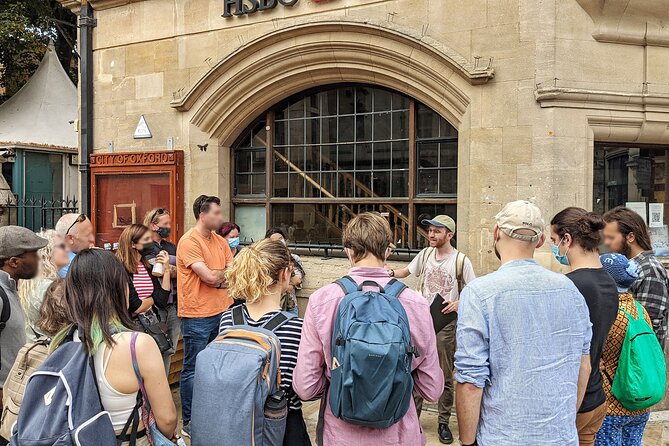
The final stop is beside two major projects funded by controversial billionaires: the Blavatnik School of Government and the planned Stephen A. Schwarzman Centre for the Humanities.
It is a fitting ending because the question of donor influence returns in a modern form. Oxford continues to need money for new schools and facilities. Modern philanthropy can bring impressive resources, but it can also raise questions about access, influence, naming rights, and institutional independence.
The route finishes at 120 Walton Street, Oxford OX2 6GG. Since the end point differs from the start, you should note where you are before booking another activity. The walk does not return you to Park End Street.
At the conclusion, the tour has moved from an established business school through public housing concerns, college memory, a library, a former workhouse, and new university buildings. That sequence gives the experience a clear shape. Money is not treated as a single issue. It appears through donors, land, public space, social need, and future plans.
The last stop is likely to generate the most direct debate because the projects represent current institutional choices rather than only past decisions. You leave with questions about where universities should draw their ethical boundaries and who gets a voice in drawing them.
What the $89.12 price really covers
The price is $89.12 per person. That is a substantial charge for a walk lasting about 1 hour and 30 minutes, especially since the six listed stops have free admission.
You are not paying for museum entry or a long sightseeing day. You are paying for a small-group lesson in Oxford’s finances and public debates. The value depends on how much you want that kind of interpretation.
For someone who has already seen Oxford’s standard highlights, the focus may justify the cost. You get a route built around a specific argument, a maximum group size of 15, and time for questions. A large general tour often has to move quickly and cover familiar ground. This one uses the city as evidence for a narrower subject.
For a first-time visitor on a tight budget, I would think carefully. You may get more visible sightseeing from a lower-priced general walking tour. Follow the Money works best as a second Oxford experience, or as the main choice for visitors who care more about institutions and politics than interiors.
Group discounts are available, which may improve the value for families, student groups, or organized parties. The ticket is mobile, and confirmation is provided when you book. Free cancellation is available if you cancel at least 24 hours before the local start time. Changes or cancellations inside that window are not accepted for a refund.
Who will get the most from this walk?
I would recommend this experience to you if you enjoy history that raises present-day questions. It suits people interested in higher education, philanthropy, housing, architecture, public ethics, and the relationship between a university and its city.
It is also a strong choice if you already know Oxford reasonably well. One person who knew the city said the tour presented familiar places in a new light. That is the core benefit here: you may walk streets you have seen before, then understand them differently.
The tour can also suit students, academics, teachers, and visitors who want a more critical account of Oxford. The discussion style gives you room to test your own views instead of simply collecting facts.
I would hesitate to recommend it to young children or anyone expecting a light, purely visual walk. The experience covers controversial funding, housing problems, poverty, and institutional power. Most people can participate, and service animals are allowed, but the subject is more serious than a typical city stroll.
The group maximum of 15 is important. A small party gives the guide a better chance to include questions and manage different opinions. It also means the experience may feel personal rather than anonymous.
Practical planning for the 90-minute route
The walk lasts about 90 minutes and is offered in English. It begins outside Saïd Business School on Park End Street and ends beside the Blavatnik School of Government on Walton Street.
Because the route has six stops of roughly 15 minutes each, the timing is quite structured. You should arrive ready to move between locations rather than expecting long breaks. The supplied information confirms that the route is near public transportation, though it does not provide a specific bus route or station recommendation.
Wear comfortable shoes suitable for a city walk. That is simple advice, but the tour moves through several parts of Oxford and includes outdoor stops. The gardens and building exteriors are part of the experience, so weather may affect your comfort.
The tour is available as a mobile ticket. Confirmation arrives at booking, which is useful if you are fitting it between other Oxford plans. It is booked on average 11 days ahead, so do not assume you can always leave it until the last moment.
My call: book it for the questions
Book Follow the Money if you want Oxford to challenge you. Its strongest qualities are the focused route, small group, researched storytelling, and willingness to let the group discuss hard questions about donations and power.
I especially like that it does not stop at one controversial benefactor. It connects Wafiq Said, Lord Nuffield, the Sackler family, Leonard Blavatnik, and Stephen A. Schwarzman to wider issues involving housing, social memory, public institutions, and the University’s future.
Skip it if you mainly want college interiors, medieval anecdotes, or a relaxed photo walk. At $89.12, the price requires genuine interest in the subject. But if you want to look past Oxford’s polished stone and ask who paid for it, what that money changed, and what the city should remember, this is a worthwhile and unusually focused choice.
FAQ
Where does the Follow the Money Tour start?
It starts outside Saïd Business School at Park End Street, Oxford OX1 1HP, United Kingdom.
Where does the tour finish?
The tour ends at the Blavatnik School of Government at 120 Walton Street, Oxford OX2 6GG, United Kingdom.
How long does the tour last?
The experience lasts approximately 1 hour and 30 minutes.
How much does the tour cost?
The listed price is $89.12 per person.
Is the tour offered in English?
Yes. The tour is offered in English.
How many people can join the tour?
The maximum group size is 15 people.
Are group discounts available?
Yes. Group discounts are listed as a feature of the experience.
Is the ticket available on a mobile device?
Yes. A mobile ticket is available, and confirmation is provided at the time of booking.
Are service animals allowed?
Yes. Service animals are allowed.
Can I cancel for a full refund?
Yes. You can cancel at least 24 hours before the experience start time for a full refund. Cancellations or changes made less than 24 hours before the start time are not accepted for a refund.
Just added around Oxford
- Cotswolds One Day Guided Cycle Tour – Private Groups★ 5.0 · 7 reviews
- CS Lewis & Tolkien Tour with Magdalen Entry Public tour 13.45★ 5.0 · 8 reviews
- Oxford Scenic Cycle Tour- 2 persons minimum summer season★ 5.0 · 8 reviews
- Oxford Private Guided Walking Tour★ 4.5 · 8 reviews
- History of Medicine Tour – by Uncomfortable Oxford™★ 4.5 · 8 reviews
- Oxford: to Cotswolds (Half Day)★ 5.0 · 8 reviews
- Oxford Walking Tour – Discover its University and Traditions★ 4.0 · 9 reviews
- Ashmolean Museum Tour – by Uncomfortable Oxford™★ 5.0 · 9 reviews
Oxford Tours, compared.

Oxford University Walking Tour With University Alumni Guide
Read our review →
1.5-hour Oxford City and University Walking Tour
Read our review →
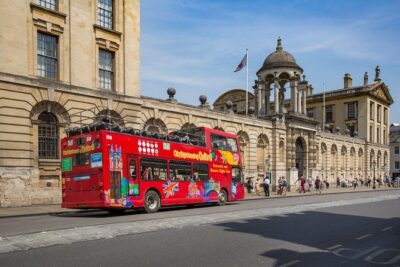
City Sightseeing Oxford Hop-On Hop-Off Bus Tour
Read our review →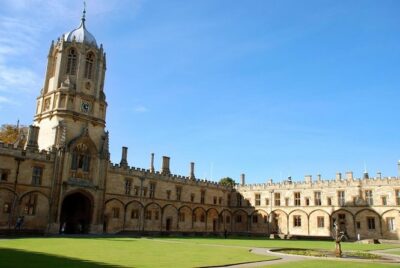
Harry Potter Walking Tour of Oxford Including New College
Read our review →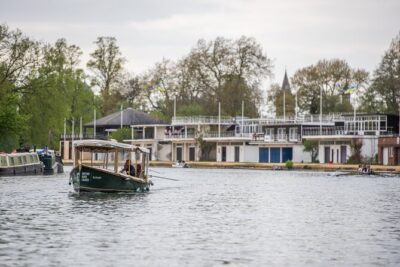
Oxford Sightseeing River Cruise Along The University Regatta Course
Read our review →
Afternoon Tea Sightseeing River Cruise in Oxford
Read our review →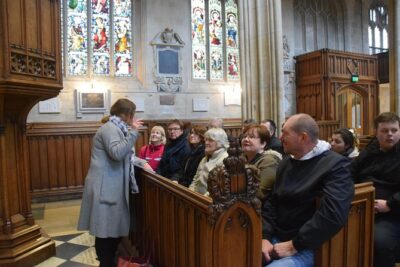
Inspector Morse, Lewis and Endeavour Oxford Walking Tour
Read our review →Browse the lists this tour appears in