
Reviewed · MUSEUMS
Lakeland Motor Museum Entry Ticket
Expect more than a car collection. Lakeland Motor Museum packs 30,000 exhibits into a thought-provoking attraction near the southern tip of Lake Windermere, with motoring history shown in its wider social setting. I especially like the mix of 140 classic cars and motorbikes and the surprising range of bicycles, rarities, and memorabilia.
I also like the practical side: free parking, wheelchair access, and an indoor venue that works in wet Cumbrian weather. The main consideration is simple: if you are only mildly interested in vehicles, the collection may feel large rather than focused. At $16 per person, you get a full day of entry, but the value depends on how much time you give it.
In This Review
- Key things to know before you go
- Arriving near Lake Windermere and the Leven Valley
- The first look: 140 classic cars and motorbikes
- Donald Campbell’s Bluebird makes the biggest impression
- Thirty thousand exhibits and the social side of motoring
- A full-day attraction, not a rushed roadside stop
- Cafe Ambio and the riverside pause
- What the $16 ticket is really worth
- Access, timing, and practical planning
- Who will enjoy Lakeland Motor Museum most
- Should you book the Lakeland Motor Museum?
- FAQ
- Where is Lakeland Motor Museum located?
- How much does entry cost?
- How long is the ticket valid?
- What does the ticket include?
- Are food and drinks included?
- Is the museum open every day?
- Is Lakeland Motor Museum wheelchair accessible?
- Can I cancel my booking?
- Can I reserve now and pay later?
Key things to know before you go
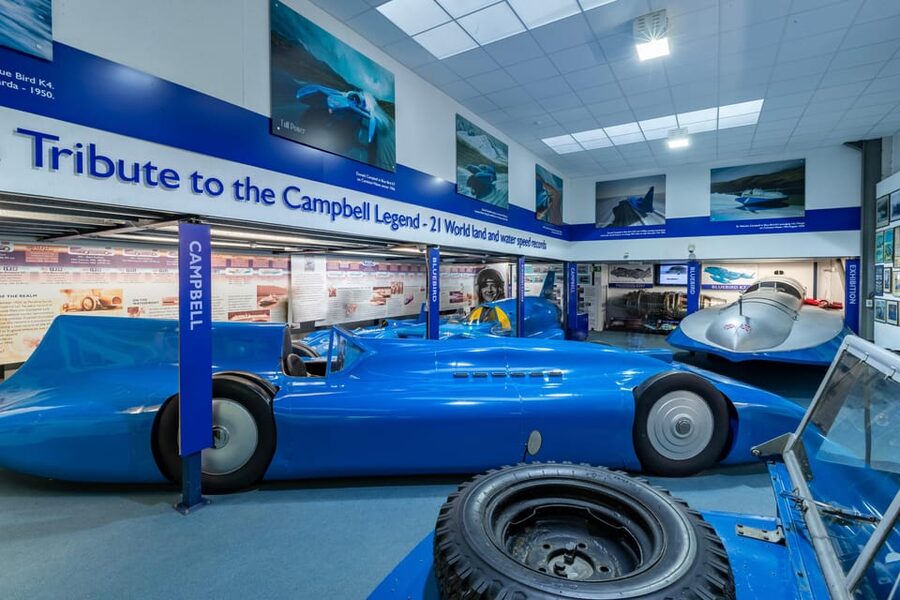
- The Bluebird display is a major highlight: The scale of Donald Campbell’s famous car gives the exhibition a real wow factor.
- Thirty thousand exhibits go beyond automobiles: You can expect motorbikes, bicycles, motoring rarities, and objects linked to everyday life on the road.
- The museum sits near Lake Windermere: Its location in the Leven Valley makes it an easy indoor stop during a Lake District day out.
- You get a full day for $16: The ticket is useful for an unhurried visit rather than a quick half-hour stop.
- Cafe Ambio adds a riverside break: Food and drinks cost extra, but the setting gives you somewhere pleasant to pause.
- Free parking and wheelchair access help: The museum is designed as a practical stop for families and mixed-age groups.
Arriving near Lake Windermere and the Leven Valley
The museum is close to the southern tip of Lake Windermere, in the scenic Leven Valley. That location matters because it fits neatly into a wider day around the Lake District. You can pair the museum with time by the lake, then retreat indoors if the weather turns typically Cumbrian.
Free parking is included with admission, which improves the value of the $16 ticket. You do not need to budget an extra parking charge, and the attraction is open seven days a week. Check the available start times when booking, since the ticket is valid for one day rather than for a timed multi-day period.
The building may look modest from outside. One Italian visitor, Di Nunzio, was surprised by how many cars, motorbikes, and bicycles are displayed inside. That is useful advice: do not judge the visit by the first impression of the building. The collection has much more depth than the exterior suggests.
The first look: 140 classic cars and motorbikes
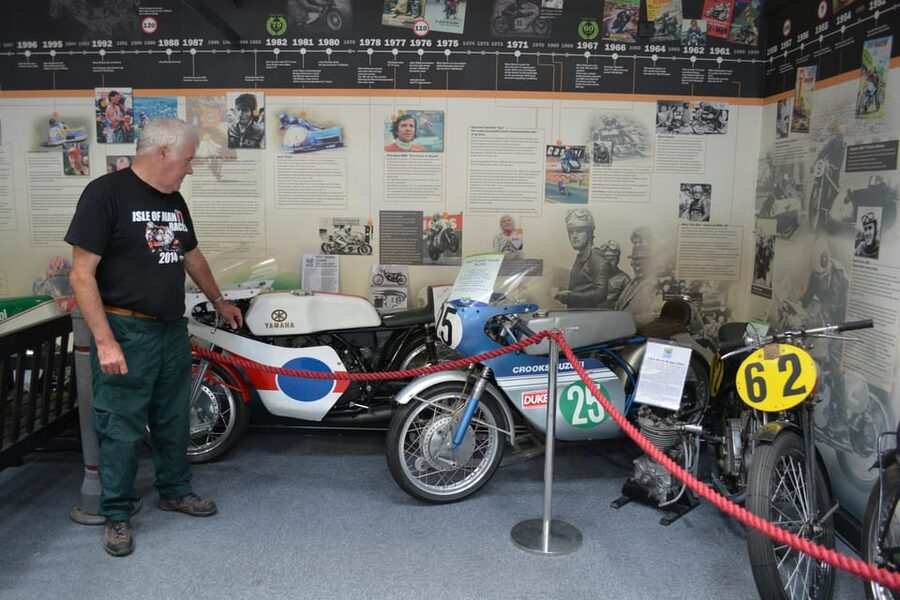
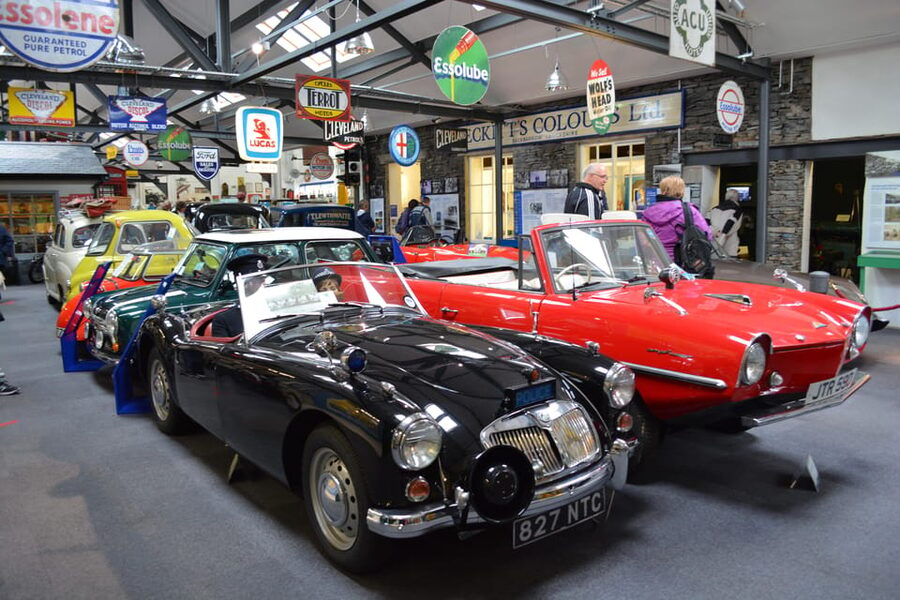
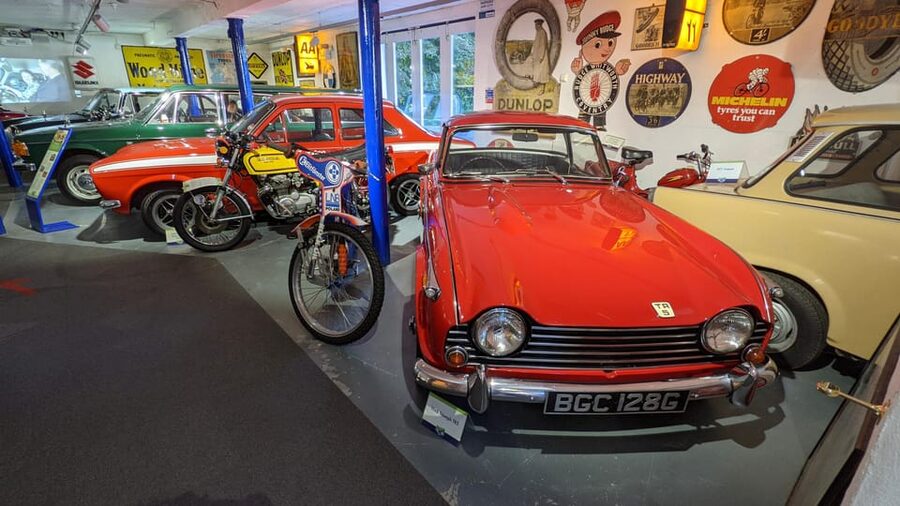
The core of the visit is the collection of classic vehicles. Around 140 cars and motorbikes form the main visual draw, and the range is broad enough to appeal to more than serious petrolheads.
I like the way the museum presents vehicles as part of social life, rather than treating them as isolated machines. Cars can bring back memories of family journeys, old streets, first driving lessons, or a relative’s prized vehicle. That emotional connection is part of the appeal, even if you could not name a single engine component.
Nancy’s October 2025 visit captured this side of the museum well. The old cars brought back memories, and she singled out some beautiful vehicles. You may find yourself having the same reaction. A display can work as a design exhibit for one person, a mechanical puzzle for another, and a memory trigger for someone else.
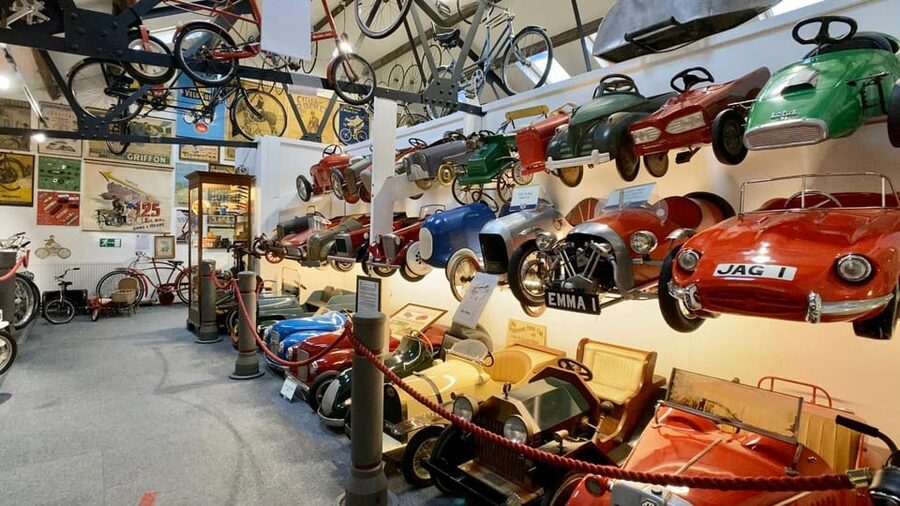
The motorbikes broaden the appeal. Their compact size and distinctive shapes create a useful contrast with the larger cars. The inclusion of bicycles also gives the collection a wider sense of personal transport, from simple pedal power to highly engineered machines.
Do not expect every exhibit to hold your attention equally. A large collection naturally has quiet stretches. The reward comes from giving yourself enough time to follow your own interests instead of rushing from one polished vehicle to the next.
Donald Campbell’s Bluebird makes the biggest impression
The Bluebird exhibition deserves special attention. Jeanette’s August 2025 visit focused on the enormous size of Donald Campbell’s car and described the reaction it produced: wow.
That sense of scale is important. Photographs and written accounts cannot fully prepare you for a machine built for record-breaking speed. Even without knowing the technical details, you can appreciate the engineering ambition and the physical presence of the vehicle.
The Bluebird display also gives the museum a strong historical focus within its larger collection. It is not just another classic car. It connects motoring with speed records, national attention, and the human urge to push machines beyond ordinary use.
If your time is limited, make this one of your priorities. Then use the rest of the visit to explore the wider collection. The museum’s appeal is not based on one exhibit alone, but Bluebird gives you a clear anchor.
Thirty thousand exhibits and the social side of motoring
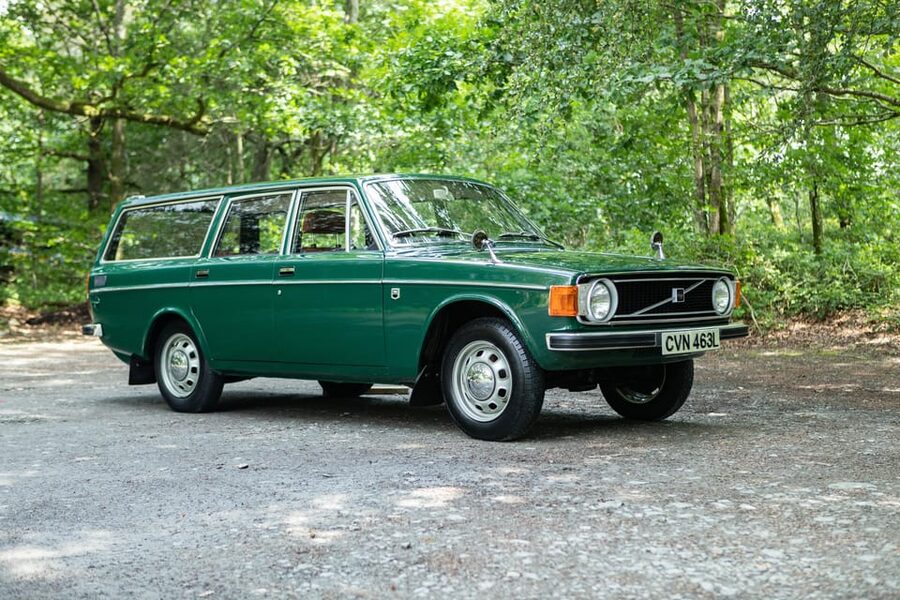
The museum’s total collection reaches about 30,000 exhibits. That number tells you to expect more than a line of polished cars. The displays place motoring in a wider social context, with rarities and objects that can awaken memories of how people travelled and lived.
I find this approach more approachable than a purely technical museum. You do not need to understand engines to enjoy the visual story. Families can look at familiar shapes, older visitors may recognize vehicles from earlier decades, and younger visitors can see how dramatically transport has changed.
The collection also has room for the unexpected. The information provided highlights bicycles alongside cars and motorbikes. That mix gives you a broader view of movement and design. A bicycle may seem humble beside a record-breaking car, but it helps show how transport fits into ordinary daily life.
The sheer number of objects can be both a strength and a weakness. It creates variety, but it also means you may not absorb everything in one pass. I would treat the $16 ticket as permission to slow down. Read the material that catches your eye, notice the smaller objects, and accept that some exhibits will only receive a quick glance.
A full-day attraction, not a rushed roadside stop
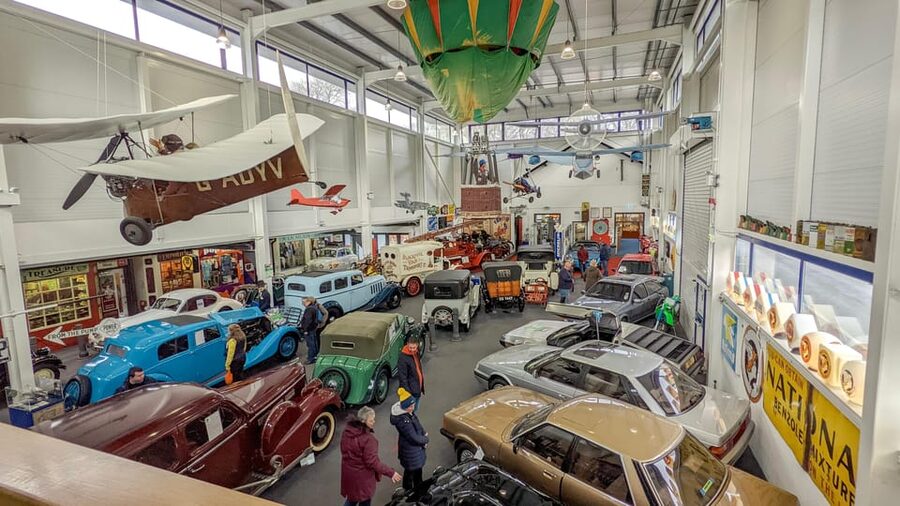
Your ticket is valid for one day, and that is useful even if you do not spend the entire day inside. The museum works best as a flexible stop. You can take your time with the vehicles, pause at Cafe Ambio, visit the gift shop, and still leave room for the surrounding Lake District.
The attraction is open seven days a week, so it can fit into more itineraries than a museum with limited opening days. It is especially practical when outdoor plans are uncertain. The venue is promoted as a whatever the weather attraction, and that is one of its strongest advantages.
I would allow several hours if you have a real interest in cars, motorbikes, or social history. If you are visiting with people who have mixed interests, the visit can be shorter and more flexible. The supplied information does not give a fixed guided itinerary or a required visit length, so you control the pace.
That flexibility also helps families. You can focus on the largest and most unusual vehicles rather than expecting children to study every exhibit. The fact that the museum appeals to all ages is believable, but the experience will still depend on each person’s interest and attention span.
Cafe Ambio and the riverside pause
Food and drinks are not included in the ticket. The museum’s adjacent Cafe Ambio provides a riverside setting, giving you a convenient place to stop without leaving the attraction altogether.
That setting adds value to a museum visit. Vehicle displays can become tiring if you try to take them all in at once, especially when you are travelling with children or with someone who is less interested in motoring. A pause by the river gives you a chance to reset before returning to the collection or continuing your day.
You should budget separately for refreshments. The ticket covers museum entry and parking only. The information does not provide a menu or specific prices, so I would treat the cafe as a useful extra rather than include it in your admission calculation.
The gift shop is also described as a strong place to find presents. That makes sense for a museum with such a broad collection. You might find something suitable for a classic-car enthusiast, a motorbike fan, or someone who simply enjoys unusual motoring design.
What the $16 ticket is really worth
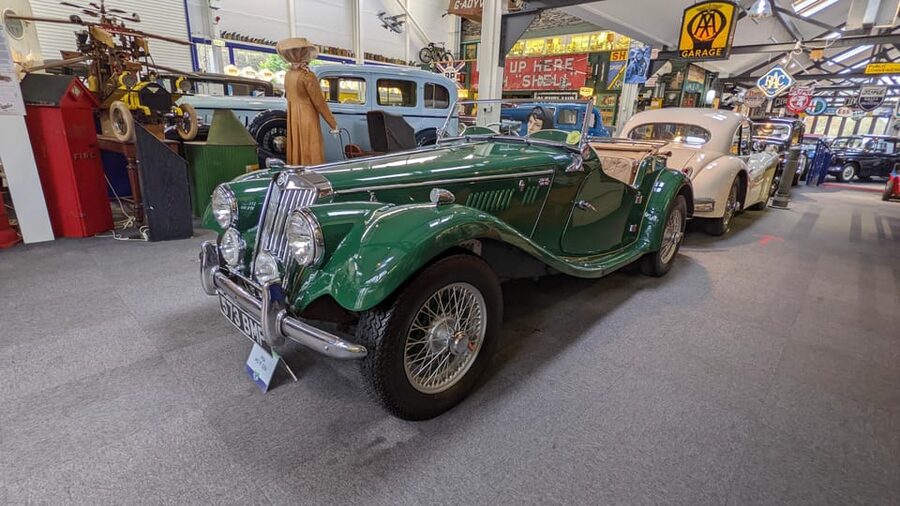
At $16 per person, admission is good value if you spend a few hours with the collection. You are paying for a full day of access, free parking, a large indoor display, and the chance to combine the visit with the Lake Windermere area.
The price is less compelling if you plan to walk in for a very short look. A museum with 30,000 exhibits rewards attention, so the ticket works best when you use the indoor setting as a substantial part of your day.
The Bluebird exhibition strengthens the value because it gives you a memorable centerpiece. The 140 classic cars and motorbikes provide the main body of the visit, while the wider exhibits keep the museum from feeling like a single-theme showroom.
I would also count the weather protection as part of the value. In the Lake District, a rainy afternoon can disrupt outdoor plans. This museum gives you somewhere reliable to go, and the ticket can be booked with free cancellation up to 24 hours in advance. You can also reserve now and pay later, which keeps your plans flexible.
Access, timing, and practical planning
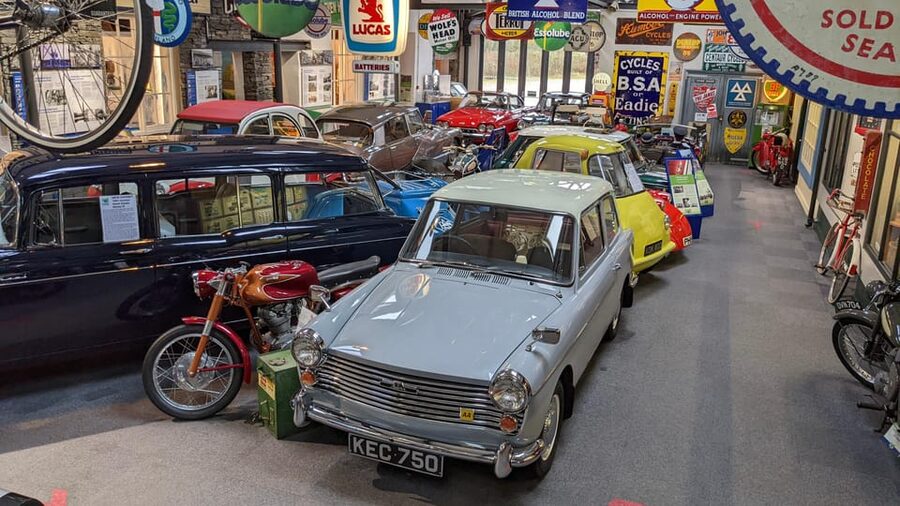
The museum is wheelchair accessible, an important detail for anyone planning a mixed-age or mixed-mobility outing. Free parking is included, and the attraction is open seven days a week.
The ticket is valid for one day. Check availability for the starting times shown when you book, and allow enough time for your chosen visit rather than squeezing it between too many other Lake District stops.
You do not need to arrange food in advance according to the information provided, but remember that Cafe Ambio is not included in admission. The same applies to purchases from the gift shop.
The cancellation terms are traveler-friendly: you can cancel up to 24 hours ahead for a full refund. The reserve-now, pay-later option is useful if rain, transport, or other Lake District plans may change.
Who will enjoy Lakeland Motor Museum most
I would recommend this museum to classic-car fans, motorbike enthusiasts, families, and anyone who enjoys seeing everyday history through objects. It is also a smart choice for a rainy day near Lake Windermere.
You do not need specialist knowledge. The social context and variety make the collection accessible, while the scale and Bluebird display give experts something substantial to examine.
The museum may be less satisfying if you strongly dislike vehicles or want a small, tightly focused exhibition. Thirty thousand exhibits can feel like a lot, and not every object will have the same impact. Still, the cafe, riverside setting, free parking, and flexible one-day admission make it easier to build the visit around your own interests.
Should you book the Lakeland Motor Museum?
Book it if you want a substantial indoor attraction near Lake Windermere, especially if you enjoy classic vehicles, unusual transport, or displays that connect objects with personal memories. The Bluebird exhibition and the 140 cars and motorbikes are the clearest reasons to go, while the wider 30,000-exhibit collection gives the visit staying power.
Skip it only if your Lake District plans leave you time for a very brief stop or if vehicles hold little interest for you. For most people who can spare several hours, $16 is a fair price for a weather-proof attraction with free parking, wheelchair access, a riverside cafe, and enough variety to suit different ages.
FAQ
Where is Lakeland Motor Museum located?
The museum is in Cumbria, in the Leven Valley near the southern tip of Lake Windermere.
How much does entry cost?
The stated price is $16 per person.
How long is the ticket valid?
The entry ticket is valid for one day.
What does the ticket include?
The ticket includes entry to the museum and free parking.
Are food and drinks included?
No. Food and drinks are not included, but the adjacent Cafe Ambio offers a place to eat and pause.
Is the museum open every day?
Yes. The museum is open seven days a week.
Is Lakeland Motor Museum wheelchair accessible?
Yes. The museum is wheelchair accessible.
Can I cancel my booking?
Yes. You can cancel up to 24 hours in advance for a full refund.
Can I reserve now and pay later?
Yes. The booking option allows you to reserve your place and pay later.
More Museums
- Tower of London and Crown Jewels Exhibition Ticket
★ 4.5 · 6,677 reviews - Chelsea FC Stadium Tours and Museum
★ 5.0 · 1,908 reviews - Official tickets: Moco Modern & Contemporary Art Museum
★ 4.5 · 1,157 reviews - British Museum London Guided Tour Semi-Private 8ppl Max
★ 5.0 · 984 reviews
Museums, compared.

Tower of London and Crown Jewels Exhibition Ticket
Read our review →
Official tickets: Moco Modern & Contemporary Art Museum
Read our review →
British Museum London Guided Tour Semi-Private 8ppl Max
Read our review →
The British Museum London – Exclusive Guided Museum Tour
Read our review →

Skip the Line: Liverpool Beatles Museum – The perfect tribute to the Beatles
Read our review →Browse the lists this tour appears in