
Reviewed · TICKETS
SEA LIFE Manchester Admission Ticket
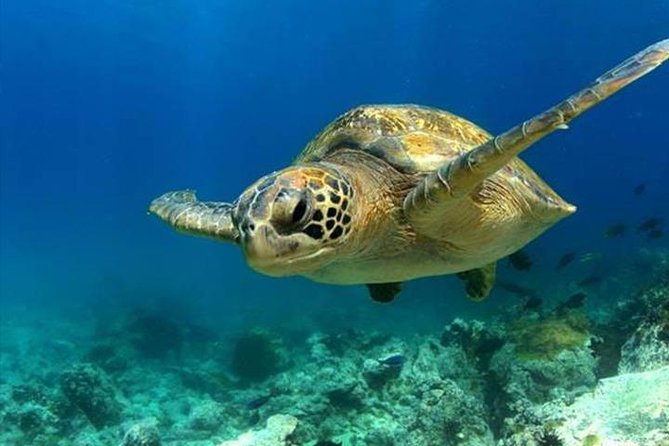
Turtles steal the show here. SEA LIFE Manchester gives you a gentle, family-friendly look at ocean life, from baby turtles and jellyfish to sharks, rays, and touch-pool creatures. I like the freedom to choose an entry time and move through the exhibits at your own pace. The interactive Turtle Beach projection is another strong point, especially for younger children who learn best when a story comes with pictures and movement.
I also like the glass tunnel and tropical ocean tank, where sharks, rays, fish, and the green sea turtle Ernie pass overhead. Staff members such as Jordan, Isla, and Maya have earned warm praise for explaining feeding sessions and answering questions. The main drawback is scale: some families may finish the centre in less than two hours, and it can feel crowded during school holidays.
In This Review
- Key points at a glance
- What your $22.03 ticket actually buys
- Turtle Beach makes a smart first stop
- Caves, lionfish, and the odd side of the ocean
- Moon jellyfish in changing colour
- Shipwreck creatures and the first sharks
- The glass tunnel and Ernie the turtle
- The tropical ocean tank brings the biggest scenes
- Stingray Bay is slower and more peaceful
- Rockpools put learning within reach
- Conservation Cove gives the visit a purpose
- How long to allow, and when it works best
- Getting there and planning the day
- Who will enjoy SEA LIFE Manchester most?
- Should you book SEA LIFE Manchester?
- FAQ
- How much does SEA LIFE Manchester admission cost?
- How long does a visit take?
- Can I choose my entry time?
- What is included with the ticket?
- Are shark snorkeling and feeding experiences included?
- Is SEA LIFE Manchester suitable for young children?
- Is the attraction accessible by public transportation?
- Can I cancel my booking?
Key points at a glance
- Turtle Beach opens the visit with a 3D life-cycle story, following a sea turtle from egg to ocean.
- Ernie the green sea turtle is a star attraction, often seen gliding above the glass tunnel and tropical tank.
- The route mixes viewing with hands-on learning, including moon jellyfish, rock pools, and a turtle conservation game.
- A two-hour visit is a realistic plan, though families who stop at every tank may need longer.
- The $22.03 ticket is strongest for families, particularly when you want a simple indoor activity with guaranteed entry.
- Shark snorkeling and animal-feeding sessions cost extra, so check what your ticket includes before booking.
What your $22.03 ticket actually buys
The standard admission costs $22.03 per person and includes entry to SEA LIFE Manchester. You choose an arrival time, then explore the centre at your own speed rather than following a guide or fixed group.
That flexibility matters with children. You can pause at a favourite tank, move quickly past a less interesting section, or take a quiet break without holding up anyone else. The visit lasts about two hours for most people, making it a manageable half-day activity rather than a full-day attraction.
I consider the price fair if you want a planned family outing and value a guaranteed place. It is less compelling if you expect a large aquarium with enough material for an entire day. One family found the centre smaller than expected but still enjoyed spending extra time at each tank. That is a useful way to judge the value: the ticket pays for a focused experience, not an all-day museum.
The booking pattern also matters. This attraction is booked about eight days ahead on average, so reserving before your Manchester visit is sensible, particularly for weekends and school holidays. You receive confirmation at booking, and free cancellation is available until 24 hours before the start time.
A few more tours and experiences worth a look
- Tower of London and Crown Jewels Exhibition Ticket
★ 4.5 · 6,677 reviews - Thorpe Park Admission Ticket
★ 4.0 · 5,915 reviews - Alton Towers Resort 1 Day Admission Ticket
★ 3.5 · 5,501 reviews
Turtle Beach makes a smart first stop
Your visit begins with Turtle Beach, an interactive 3D projection about the life of a sea turtle. The story follows the animal from its start as an egg through its journey to the sea.
This is more than a flashy opening. It gives younger children a simple framework for understanding the animal they are about to see. Instead of meeting a turtle as just another tank inhabitant, they first learn about its life cycle and the hazards it faces.
The interactive format should suit children who lose interest during long displays. You can expect a visual presentation rather than a hands-on animal encounter. For toddlers and early primary-age children, this may be one of the most effective parts of the visit because it connects conservation with a clear story.
Caves, lionfish, and the odd side of the ocean
The route then turns toward underwater cave systems and unusual sea creatures. Here you can see a spiny lionfish and the porcupine fish, also known as the pufferfish.
This section adds useful variety. The centre is not only about large, familiar animals such as sharks and turtles. These smaller creatures show how strange ocean life can be, and their defensive features give children something specific to look for.
The displays may appeal most to children who enjoy animals with a slightly spooky edge. You should not expect a huge cave expedition, but the theme helps break up the aquarium route and keeps the experience from becoming a simple parade of fish tanks.
Moon jellyfish in changing colour
The moon jellyfish tank is one of the calmer stops. You can choose a colour for the interactive display and watch the jellyfish drift through the illuminated water.
The appeal is visual, but there is also a good science lesson here. The display explains that jellyfish do not have brains, stomachs, blood, hearts, or eyes. That fact gives children a memorable talking point and helps turn a quiet tank into an easy biology lesson.
This is a good place to slow down. Jellyfish move at a gentle pace, so you may find it works as a short pause between the more active sections. If the centre is busy, you might need patience to get a clear view of the tank.
Something different for another day:
- The Manchester City Stadium Tour
★ 5.0 · 4,176 reviews - Alcotraz Prison Cocktail Experience in Manchester
★ 5.0 · 1,216 reviews - LEGOLAND Discovery Centre Manchester
★ 4.0 · 1,049 reviews - Manchester Afternoon Walking Tour
★ 5.0 · 1,033 reviews
Shipwreck creatures and the first sharks
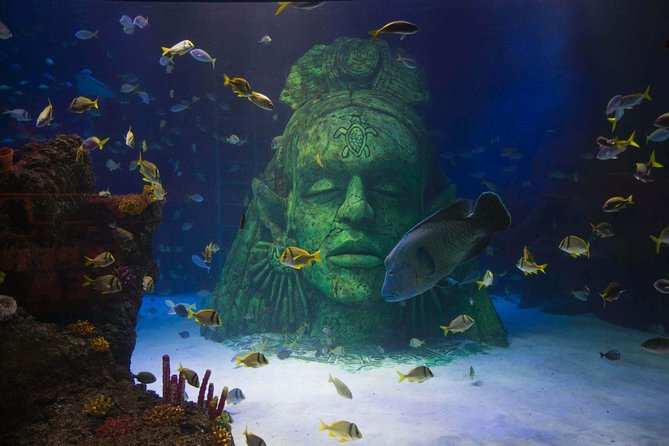
Before reaching the main shark areas, you pass through a display based on deep-sea creatures hidden around a shipwreck. Look for the juvenile common octopus named Octopus Prime, who tends to hide in the tank’s nooks and crannies.
The octopus is a good reminder that aquarium viewing is not always about an animal swimming directly in front of you. Take a moment to inspect the edges and darker corners. Children often enjoy the search, especially when they can turn it into a small spotting game.
The route then brings you beneath a viewing tank where blacktip reef sharks swim overhead. This gives you an early shark encounter before the larger tropical ocean tank. The setting changes your viewpoint from looking across at an animal to looking up as it passes above you.
The glass tunnel and Ernie the turtle
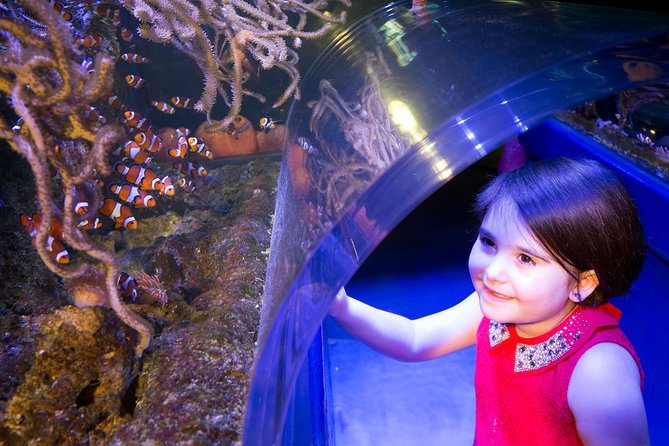
The glass tunnel is likely to be the most memorable part of the standard route. Shoals of fish move beside you while Ernie, the green sea turtle, glides over your head.
You can also look for Bonaparte, a napoleon wrasse with blue eyes and broad fins. Named animals give children a stronger connection to the exhibits, and Ernie in particular becomes a useful landmark as you move through the centre.
One family called the tunnel incredible, and it is easy to see why it works so well for a mixed-age group. Younger children can simply watch the animals overhead, while older children can identify species and notice how the fish move together.
The tunnel may become congested at busy times. If you want a slower look, choose an arrival time outside school holidays when possible. The centre does not promise a second loop on the same ticket, and one family specifically wished they could walk around again, so take your time here.
The tropical ocean tank brings the biggest scenes
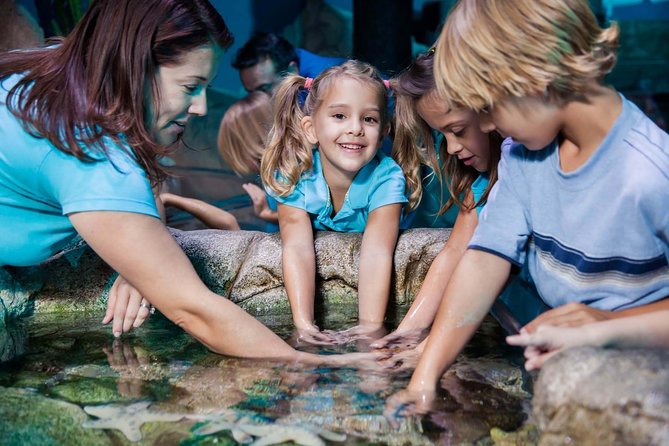
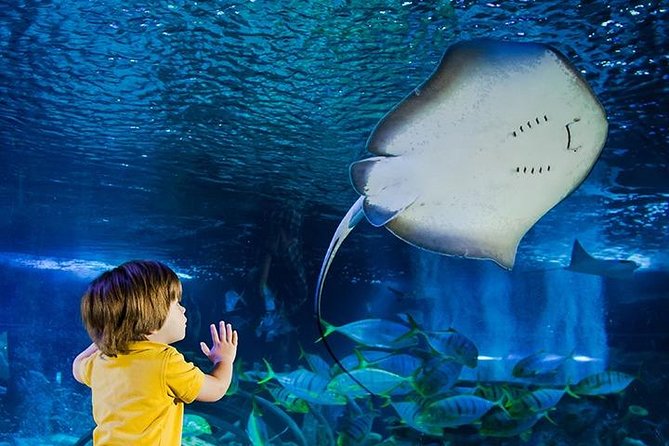
The tropical ocean tank gathers sharks, rays, and hundreds of colourful ocean fish in one large setting. Ernie may also appear here, along with divers and SeaTREK participants exploring the water.
This is the section that gives the admission its strongest sense of scale. After the smaller tanks and hidden octopus, you get a broad view of marine life sharing one environment. It is also a useful spot for explaining food chains, habitats, and the different ways animals move through the water.
Do not expect every animal to be visible at once. Large tanks reward patience, and the best view may change from one minute to the next. If your child is fixed on sharks, this is where you will probably spend the most time.
SEA LIFE Manchester also offers paid shark snorkeling and other animal experiences, but those are not part of the $22.03 admission. Shark snorkeling includes a cage, staff support, and photos or videos according to the experience details shared by one family. Treat it as a separate add-on, not as something included with your entry ticket.
Stingray Bay is slower and more peaceful
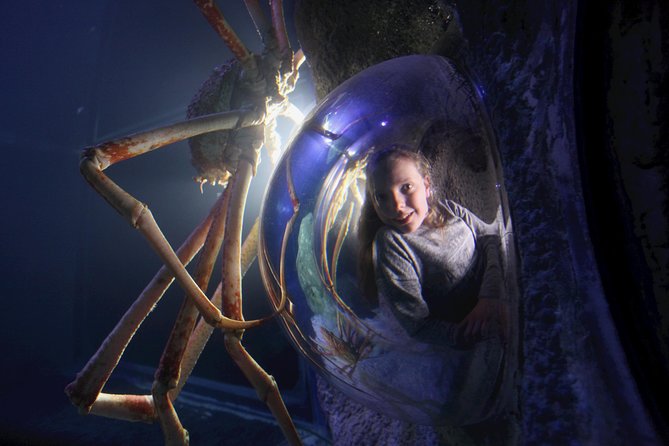
Stingray Bay offers a gentler change of mood. You can watch the rays move around the tank, including a blue-spotted ray and Cal, a rescued baby leopard shark.
This area is less about a dramatic reveal and more about watching movement. Rays seem to glide rather than swim, and the calm setting can give you a welcome pause after the noise and activity of the larger tanks.
A separate stingray-feeding experience is also available, with staff members Jordan and Maya praised for making the session feel special. Again, check the exact product before paying. Standard admission gives you access to the exhibition, not necessarily the feeding encounter.
Rockpools put learning within reach
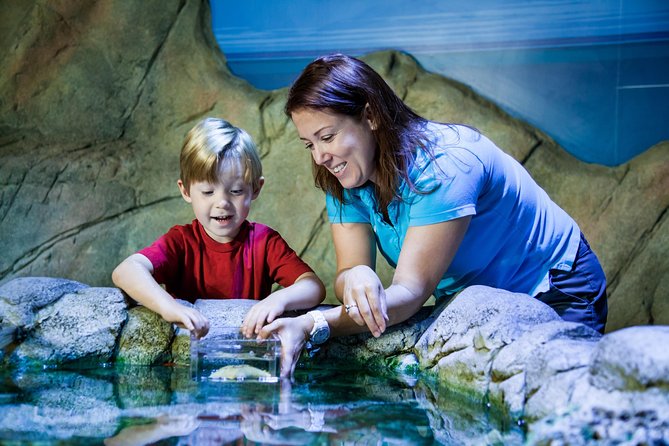
At the Rockpools, you can touch a starfish, feel a crab shell, and gently tickle a sea anemone. Staff are on hand to explain these small coastal habitats and the creatures that live there.
This is one of the most useful sections for children who learn through touch. It changes the visit from looking through glass to carefully handling a few hardy examples under supervision. You should listen to the instructions and remind children to be gentle.
The Rockpools also broaden the idea of marine life. Not every important creature is large, colourful, or fast. Small animals in shallow habitats play their own part in the shore environment, and this area helps make that clear.
Conservation Cove gives the visit a purpose
The final main area is Conservation Cove, which focuses on SEA LIFE Trust partnerships and conservation work. Children can play a turtle game that asks them to help baby turtles reach the sea.
There is also a sandbox where you can dig out objects linked to dangers found on the beach. These activities give young children something to do while introducing the less cheerful side of ocean life, including the threats animals face after leaving the water.
I like this ending because it sends you out with more than a collection of animal photos in your head. The conservation message is simple enough for children, but it gives parents a chance to talk about litter, wildlife, and responsible behaviour at the coast.
How long to allow, and when it works best
The stated visit time is about two hours. That should be enough for a steady walk through the displays, though you may need longer if your child wants to stop at every tank, use the interactive features, and spend time at the Rockpools.
The centre can become busy during school holidays. Narrower viewing areas and popular tanks may feel crowded, especially around the tunnel and larger aquarium. A midweek visit can be a better choice for families with babies or young toddlers, as long as your schedule allows it.
Some families have used SEA LIFE Manchester for a birthday outing. An explorer pack and birthday badge were available for one seven-year-old, but you should confirm current availability if this matters to your plans. A soft-play area was also appreciated by one family, providing a useful extra for younger children.
There is no cafe within the centre. Plan food before or after your visit. The Trafford Centre is reached by footbridge and offers a convenient option for lunch, according to the practical details shared by families who combined the two stops.
Getting there and planning the day
The attraction is near public transportation, and parking was described as excellent in one family account. Transportation to and from SEA LIFE Manchester is not included in the ticket, so you arrange that part yourself.
Your ticket is mobile, which keeps the booking simple. Have the confirmation ready on your phone and arrive for the entry time you selected. Since the attraction is popular enough to be booked more than a week ahead on average, last-minute plans may offer fewer choices.
Food, drinks, and souvenir photos cost extra. If you are watching the budget, the basic ticket is enough for the aquarium route, and you can skip the photo purchases without missing the main exhibits.
Service animals are allowed, and most people can take part. The booking information also gives a maximum of five travellers for the activity, so check the booking setup if your party is larger.
Who will enjoy SEA LIFE Manchester most?
This is a good pick for families with babies, toddlers, and primary-school children. The fish provide visual stimulation for very young children, while Turtle Beach, the turtle game, and the Rockpools offer simple activities for children who need more than a viewing tank.
It also suits adults who want a short indoor stop rather than a full-day attraction. The route includes enough variety to keep a two-hour visit moving: jellyfish, octopus, sharks, rays, a turtle, touch pools, and conservation displays.
Older children who want a more active encounter may prefer to add shark snorkeling, turtle feeding, or stingray feeding. Those experiences can make the day more memorable, but they are separate purchases and should be judged on their own price and time commitment.
You may want to skip it if your main goal is a very large aquarium with hours of extensive exhibits. The centre is compact, and one direct assessment found it smaller than expected. Its strength is convenience, clear presentation, and family appeal rather than sheer size.
Should you book SEA LIFE Manchester?
Book it if you want a well-organized two-hour family activity with a fixed entry time, indoor exhibits, and plenty of easy learning moments. The glass tunnel, Ernie the turtle, Turtle Beach, and the Rockpools give the $22.03 ticket a fair balance of spectacle and participation.
Plan carefully if you visit during a school holiday, and do not count on spending the whole day inside. Combine it with lunch at the Trafford Centre, or consider an extra animal-feeding or snorkeling session if your family wants more action.
For young children, first-time aquarium visitors, and families looking for a manageable Manchester outing, I would book in advance. For serious aquarium fans seeking a vast collection, I would set expectations lower and treat SEA LIFE Manchester as a compact, enjoyable stop.
FAQ
How much does SEA LIFE Manchester admission cost?
The listed admission price is $22.03 per person. The ticket includes entry to SEA LIFE Manchester.
How long does a visit take?
The visit lasts about two hours. You can explore the exhibitions at your own pace.
Can I choose my entry time?
Yes. The ticket lets you choose your own entry time.
What is included with the ticket?
Entry to SEA LIFE Manchester is included. Transportation, food, drinks, and souvenir photos are not included.
Are shark snorkeling and feeding experiences included?
No. Shark snorkeling, turtle feeding, and stingray feeding are separate experiences and are not included in the standard admission ticket.
Is SEA LIFE Manchester suitable for young children?
Yes. The centre is family-friendly, and most people can participate. Families have also used it for babies, toddlers, and children’s birthdays.
Is the attraction accessible by public transportation?
SEA LIFE Manchester is near public transportation. Transportation to and from the attraction is not included with the ticket.
Can I cancel my booking?
Yes. You can cancel for a full refund if you do so at least 24 hours before the experience start time. Changes or cancellations made less than 24 hours before the start time are not accepted for a refund.
Just added around Manchester
- Manchester Street Art: Quest Experience★ 4.0 · 6 reviews
- Manchester: Football Experience With A Local Host★ 3.5 · 6 reviews
- Stockport Guided Walking Food Tour★ 5.0 · 7 reviews
- Private Cocktail Making Class in Manchester★ 5.0 · 8 reviews
- MANCHESTER: Yorkshire Adventure – Sightseeing Day Trip Tour★ 5.0 · 9 reviews
- Manchester: Luggage Storage Central★ 5.0 · 10 reviews
- Musical MADchester Quest Experience in Manchester★ 4.0 · 14 reviews
- Murder Detective Self-Guided Tour in Manchester★ 3.5 · 16 reviews
Tickets, compared.

Tower of London and Crown Jewels Exhibition Ticket
Read our review →




Liverpool City Sights Hop On Hop Off City Tour – 24hr Ticket
Read our review →

Browse the lists this tour appears in