
Reviewed · MUSEUMS
Tate Modern Museum London Guided Tour Semi-Private 8ppl Max
Modern art gets easier with context. This two-hour Tate Modern tour keeps the group to eight people, giving you room to ask questions while your guide explains works by Picasso, Dalí, Monet, Rothko, Warhol, and Duchamp. I especially like the small-group format and the way the tour links each artist’s life to the work on the wall.
The tour also explains Tate Modern’s unusual home, a former power plant, which adds a useful layer to your visit. The main drawback is its short length: two hours can introduce the museum well, but it cannot cover every gallery. Temporary exhibitions are not included, and the visit requires a moderate amount of walking.
In This Review
- Key points at a glance
- Why this Tate Modern tour works for first-time visitors
- Meeting at Bankside and getting ready
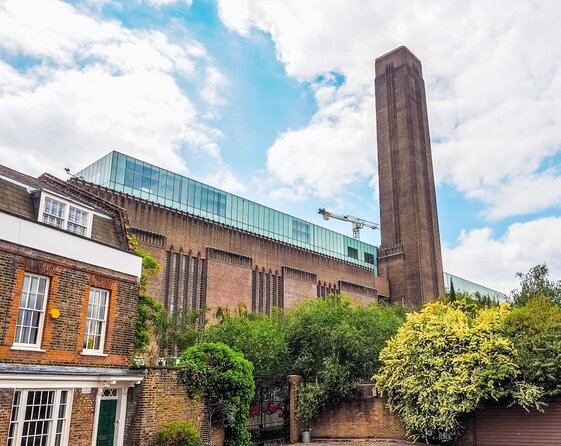
- Tate Modern in a former power plant
- Mondrian, Monet, Picasso, and Dalí
- Mark Rothko and the force of abstract painting
- Andy Warhol and the pull of pop art
- Duchamp’s Fountain and the question of art
- What the two-hour route can and cannot do
- Is $107.45 a fair price?
- Who will enjoy this museum visit most?
- Booking, cancellation, and practical limits
- Should you book the Tate Modern small-group tour?
- FAQ
- Where does the Tate Modern guided tour start?
- Where does the tour end?
- How long does the tour last?
- How many people can join the tour?
- Is museum admission included?
- Is the tour suitable for wheelchair users?
- Is hotel pickup included?
- What happens if the tour does not reach its minimum number?
Key points at a glance
- Eight people maximum: A small group makes it easier to ask questions and stay close to the guide.
- A helpful route through modern art: You may see Mondrian, Picasso, Dalí, Monet, Rothko, Warhol, and Duchamp.
- Good for beginners: The guide explains why the art matters instead of assuming you already understand it.
- Personal stories add meaning: Artists’ lives and historical events help put the work into focus.
- The building gets attention too: Tate Modern occupies a converted power plant, not a traditional museum palace.
- Plan for walking: The tour is not suitable for wheelchair users or people with walking disabilities.
Why this Tate Modern tour works for first-time visitors
Tate Modern can feel like a museum built to provoke arguments. One room gives you neat geometric color blocks. The next offers a painting made from broad bands of color. Then you may face an everyday object presented as art and wonder if someone is testing your patience.
That is exactly where a guide can help. This tour is designed to give you a path through modern art without turning the visit into a lecture. You will hear about major artists, artistic movements, personal choices, and the events that shaped the period.
I like that the experience leaves room for questions. If Mondrian’s ordered squares leave you cold, or if Rothko’s large color fields seem too simple, you can ask why the work matters. A good guide does not need to force one answer on you. The strongest feedback about this experience points to guides who encourage discussion and help people form their own views.
The small group matters here. With no more than eight people, you are less likely to be stranded at the back of a crowd. You can hear the guide more clearly, and the guide has a better chance to notice when a particular painting has sparked your interest.
This is not a private tour, so you will still share the experience with other people. But eight is a useful limit for a museum where close discussion makes a real difference.
More Museums in London:
- Tower of London and Crown Jewels Exhibition Ticket
★ 4.5 · 6,677 reviews - Chelsea FC Stadium Tours and Museum
★ 5.0 · 1,908 reviews - Official tickets: Moco Modern & Contemporary Art Museum
★ 4.5 · 1,157 reviews
Meeting at Bankside and getting ready
The tour starts at Tate Modern, Bankside, London SE1 9TG, and returns to the same meeting point. The museum is near public transportation, but hotel pickup and drop-off are not included. I would plan your route in advance and allow enough time to reach Bankside without rushing.
You must provide a mobile phone number with the country code when booking. That detail is easy to overlook, but it matters if the operator needs to contact you about meeting arrangements or a change.
Security rules also affect how you prepare. Large bags and suitcases are not allowed inside. Only handbags or small, thin backpacks can pass through security, so leave bulky luggage at your accommodation or use another suitable storage option before arriving.
Wear practical clothing and shoes. The experience lasts about two hours and requires a moderate level of physical fitness. It is not available to people with walking disabilities or those using a wheelchair, so check this restriction carefully before paying.
The museum can occasionally close without much warning. If opening is delayed by more than an hour, an alternative may be offered, but refunds or discounts are not available in that situation. It is worth keeping a little flexibility in your London schedule.
Tate Modern in a former power plant
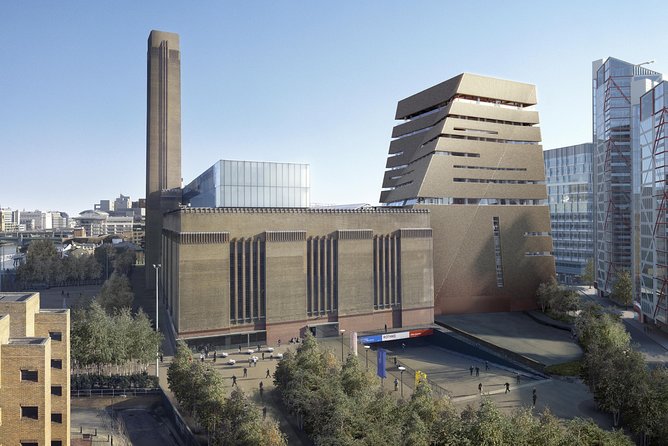
Before focusing on individual artists, take a moment to notice the building. Tate Modern occupies a converted power plant, and that industrial past gives the museum a very different feel from a grand former palace or purpose-built gallery.
The architecture helps explain the museum’s character. The building is large, bold, and practical. Its earlier use for machinery and electricity makes a fitting setting for art that challenged old ideas about painting, sculpture, and the purpose of a museum.
Your guide includes the building’s history as part of the visit. That is useful because the setting is not just a backdrop. The broad halls and industrial scale shape how you move through the exhibits and how certain large works affect you.
I would not expect an architectural tour in the specialist sense. The main focus remains the art. Still, understanding the building makes your arrival more meaningful and helps you see why Tate Modern feels unlike many other places to see art in London.
Mondrian, Monet, Picasso, and Dalí
The tour moves through several major names and styles rather than staying with one narrow period. You may be introduced to Mondrian’s geometric patterns and blocks of color, a good starting point for thinking about order, balance, and abstraction.
Mondrian can look simple at first glance. That simplicity is part of the challenge. With a guide, you have a chance to consider how much planning sits behind those clean lines and how a painting can create energy without showing a recognizable person or place.
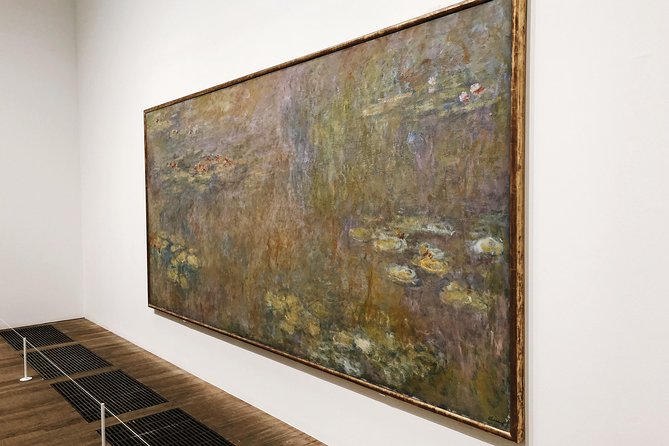
The tour also uses Monet to explain Impressionism. Monet gives you a way into the question of how artists capture light, atmosphere, and a passing moment. If you already know his work, the guide can help connect it to the changes that came after. If you are new to modern art, this section offers a more familiar point of entry.
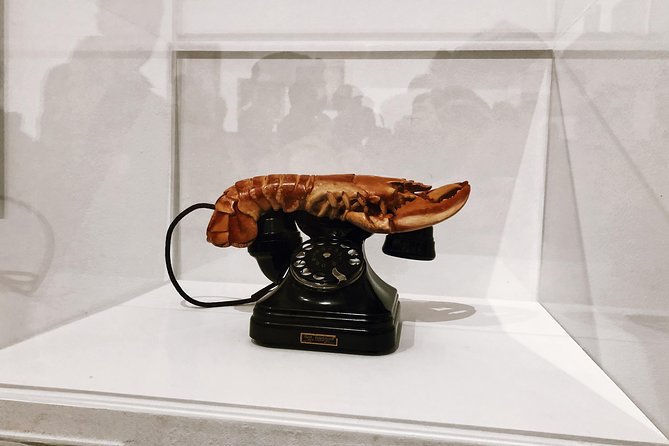
Picasso and Dalí bring personal and political context into the discussion. Both were Spanish-born artists, and the Spanish Civil War shaped some of their most important work. That history matters because modern art is not only about strange forms or unusual materials. It can also respond to fear, conflict, propaganda, and social change.
I appreciate this kind of background when visiting a museum. It keeps the art from becoming a list of famous names. You begin to see why a particular artist made certain choices and why those choices mattered at the time.
A few more tours and experiences worth a look
- The Premier Classic London: Private 4-Hour Tour in a Black Cab
★ 5.0 · 2,737 reviews - Stonehenge Inner Circle Private Tour from London with Bath Visit
★ 5.0 · 1,909 reviews - Private Tour: Black Taxi Tour of London
★ 5.0 · 1,153 reviews - Private London Arrival Transfer – Airport to Hotel / Accommodation
★ 3.5 · 1,085 reviews
Mark Rothko and the force of abstract painting
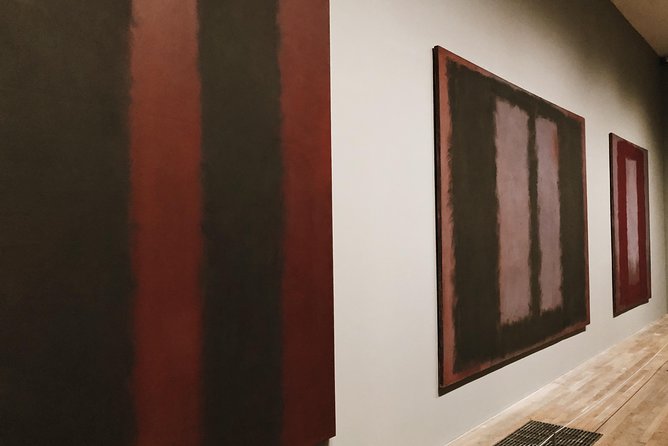
Mark Rothko offers a sharper test for anyone who prefers art with an obvious subject. His abstract-expressionist works may use large areas of color rather than figures, buildings, or scenes you can identify at once.
The guide’s role here is not to tell you what emotion you must feel. It is to give you a way to look. You might consider scale, color, edges, space, and the effect of standing before a work that refuses to explain itself.
That approach was especially praised in the feedback about the guides. Becky, in particular, was credited with providing context without interpreting every work for the group. That is a valuable distinction. You receive tools for looking, but you are not handed a single approved answer.
Rothko also shows why asking questions improves this tour. You can say that the work seems too plain, too large, or too open-ended. Those are fair reactions. The conversation may help you see that abstract art often asks you to pay attention to your own response, not just to identify the subject.
The visit does not promise that every work will become a personal favorite. It does offer a better chance that you will understand what the artist was attempting.
Andy Warhol and the pull of pop art
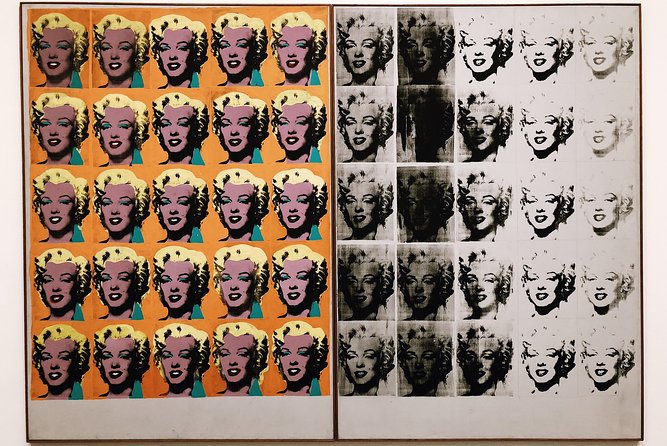
The move into the 1960s brings a different kind of modern art. Andy Warhol’s images of Marilyn Monroe and other celebrities turn familiar faces into repeated visual signs.
Warhol is a useful subject for a guided visit because his work can look easy to copy. The guide can help you think about fame, advertising, repetition, mass production, and the way a public image changes when it appears again and again.
This section can also help connect the museum to everyday life. You do not need a degree in art history to recognize celebrity culture or commercial images. Warhol’s work gives you a familiar doorway into questions about why some images stay in our minds and how popular culture can become a subject for serious art.
A strong guide will keep the talk lively rather than burying the group in dates. Feedback about Sasha points to this strength. Sasha selected a broad mix of art and encouraged people to think, rather than simply moving from one famous object to the next.
Duchamp’s Fountain and the question of art
Marcel Duchamp’s Fountain is one of the tour’s most useful stopping points. It asks a basic question: who decides what counts as art?
This is the sort of work that can make you pause before you even start discussing technique. You may find it clever, irritating, funny, or all three. The point is not to admire it in a traditional way. The point is to consider how an artist’s choice, the setting, and the viewer’s expectations can change the meaning of an object.
That makes Duchamp a natural moment for group discussion. The small size of this tour helps because you can hear several reactions without the exchange becoming unwieldy. If you are visiting with a teenager, a partner, or a friend who claims not to like modern art, this may be one of the most enjoyable parts.
The guide will not remove every mystery. That is a benefit. Modern art is often more rewarding when you leave with a few open questions instead of a tidy explanation for everything.
What the two-hour route can and cannot do
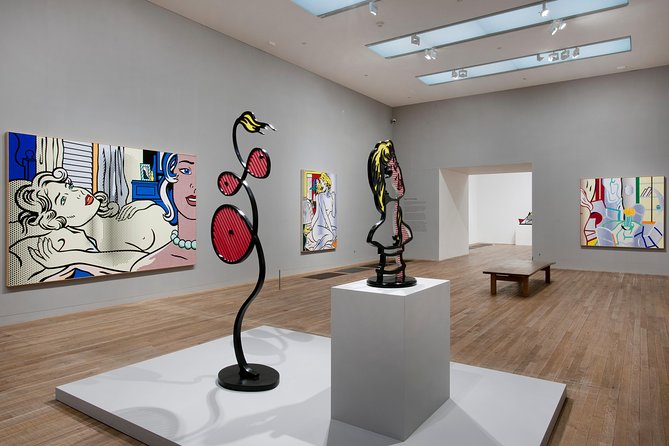
Two hours is enough for a focused introduction, not a complete survey of Tate Modern. Your guide will select important works and explain the ideas behind them. You will not see every room, and some collections change during the year.
That selectivity is useful if this is your first visit. A large museum can exhaust you before you find your bearings. A guide gives you a starting route and can suggest what to see on your own afterward. One participant specifically valued getting advice about which works to visit independently once the guided portion ended.
The time limit can also feel restrictive. If one painting grabs you, the group must eventually move on. You may wish to stay longer with a work, read more wall text, or return to a room later. The tour ends back at the starting point, so you can continue exploring if the museum’s opening hours and your own schedule allow, but the guided service itself lasts about two hours.
Some rooms may require very quiet behavior or restrict speaking. Your guide will explain those rules before you enter. That is helpful, since a lively question-and-answer style cannot continue everywhere.
Temporary exhibitions are excluded. If a special show is on your must-see list, you will need to arrange that separately and account for its admission rules.
Is $107.45 a fair price?
At $107.45 per person, this is not a budget museum visit. The value comes from the guide and the group limit, not from simply entering Tate Modern.
If you are already comfortable finding major works, reading museum information, and building your own route, you may prefer to visit independently. Tate Modern can be explored without paying for this guided service, and the tour price does not cover temporary exhibitions.
I see stronger value for people who feel unsure about modern art or who want a focused introduction during a short London stay. A well-informed guide can save you time, explain the links between artists, and make difficult works easier to approach. Eight people maximum is also a better setting for questions than a large coach group.
Group discounts may be available, so check the final price if you are booking for several people. The tour requires at least two participants to operate. If that minimum is not reached, an alternative or full refund will be offered.
Gratuities are not included. They are optional, so you can decide after the tour whether the guide’s preparation, clarity, and interaction made the added cost worthwhile.
Who will enjoy this museum visit most?
I would choose this tour for a first-time Tate Modern visitor who wants structure without a long academic talk. It also suits couples, families with older children, and small groups of friends who expect to ask questions and compare reactions.
It is especially helpful if you have ever looked at modern art and thought, I do not get it. The guide can give you a framework for looking at abstraction, pop art, Impressionism, and art shaped by political events.
Art history fans may enjoy the personal stories and the chance to discuss familiar artists from a different angle. The experience is less suitable if you want a quiet, self-directed visit, a complete museum tour, or access to temporary exhibitions.
The most praised guides appear to be interactive and flexible. Becky is noted for making the experience participatory, while Sasha is praised for selecting varied works and encouraging thought. Those details suggest that the best part of the tour is the conversation around the art, not simply the number of paintings covered.
Booking, cancellation, and practical limits
You receive confirmation at the time of booking, and the tour is offered in English. It is booked an average of 68 days ahead, so reserving early is sensible if your London dates are fixed.
Free cancellation is available until 24 hours before the local start time. Cancellations or changes made inside that window are not accepted for a refund.
You should contact the operator within 24 hours after the experience if you have a serious concern about the service. The satisfaction guarantee requires giving the provider an opportunity to address the problem before seeking a resolution.
Should you book the Tate Modern small-group tour?
Book it if you want modern art explained in plain language, enjoy asking questions, and value a group of no more than eight people. The selection of Mondrian, Monet, Picasso, Dalí, Rothko, Warhol, and Duchamp gives you a useful sweep across major movements, while the power-plant setting adds character to the visit.
Skip it if you are happy exploring alone, need wheelchair access, want to see temporary exhibitions, or prefer to spend several hours with a small number of works. At $107.45, the price needs to fit your budget.
For the right person, this is a practical way to turn Tate Modern from a maze of famous names into a thoughtful, manageable visit. You may not agree with every work, but you should leave with better questions and a clearer sense of why modern art took the paths it did.
FAQ
Where does the Tate Modern guided tour start?
It starts at Tate Modern, Bankside, London SE1 9TG, UK.
Where does the tour end?
The activity ends back at the meeting point at Tate Modern.
How long does the tour last?
The tour lasts approximately two hours.
How many people can join the tour?
The group is limited to a maximum of eight people.
Is museum admission included?
The tour information lists admission as free. Temporary exhibitions are not included.
Is the tour suitable for wheelchair users?
No. The tour is not available for people with walking disabilities or those using a wheelchair.
Is hotel pickup included?
No. Hotel pickup and drop-off are not included. Uber or a taxi is recommended.
What happens if the tour does not reach its minimum number?
The tour requires at least two participants to operate. If that minimum is not reached, you will be offered an alternative or a full refund.
Just added around London
- The Private British Museum Tour★ 5.0 · 6 reviews
- London to Southampton Cruise Port | Private Transfer★ 5.0 · 6 reviews
- London’s Chinatown Food Experience★ 4.0 · 6 reviews
- London Gatwick (LGW) Airport Departure Private Transfer – Hotel to Airport★ 4.0 · 6 reviews
- Christmas in Canterbury, Dover and Greenwich with Christmas Lunch★ 4.5 · 6 reviews
- Transfer from Heathrow Airport to London hotel on private car★ 4.5 · 6 reviews
- Jazz Notes – Jazz Jam Ticket★ 5.0 · 6 reviews
- Transfer from London Stansted Airport to Central London★ 5.0 · 6 reviews
Museums, compared.

Tower of London and Crown Jewels Exhibition Ticket
Read our review →
Official tickets: Moco Modern & Contemporary Art Museum
Read our review →
British Museum London Guided Tour Semi-Private 8ppl Max
Read our review →
The British Museum London – Exclusive Guided Museum Tour
Read our review →

Skip the Line: Liverpool Beatles Museum – The perfect tribute to the Beatles
Read our review →Browse the lists this tour appears in