
Reviewed · HISTORICAL TOURS
Inspirational Women Liverpool Past-Present History Tour – monthly
Liverpool hides some of its best stories in plain sight. This gentle two-hour walk follows women whose work shaped medicine, education, politics, art, and family life, yet often received little credit. I like the thoughtful route from Liverpool Cathedral to St George’s Hall, and I like that the tour reaches beyond the usual waterfront sights. The main consideration is that you will cover uneven ground, cobbles, slopes, and busy streets, so comfortable shoes matter.
The tour costs $31.58 per person and runs monthly at 10:30 am. Guides Pam and Jean have earned especially warm praise for their lively delivery, strong memories, and ability to include the whole group. Still, this is a walking tour rather than a grand indoor sightseeing trip, and several stops are brief introductions rather than extended visits.
In This Review
- Key points at a glance
- Why Liverpool’s women deserve a tour of their own
- Starting beneath Liverpool Cathedral’s stained glass
- Blackburne House and the education of girls
- Rodney Street, medicine, and professional barriers
- Everyman Theatre and Liverpool’s political edge
- Pembroke Place and the roots of a red-brick university
- The Catholic Cathedral and the Nightingale nurses
- Lime Street and a woman remembered in song
- William Brown Street and the Walker Art Gallery
- Finishing at St George’s Hall
- How the two hours feel in practice
- Price, timing, and what you receive
- Shoes, weather, dogs, and access
- Who will enjoy this Liverpool walk most
- Should you book the Inspirational Women Liverpool tour?
- FAQ
- Where does the Inspirational Women Liverpool tour start?
- Where does the walking tour finish?
- How long does the tour last?
- Is admission to Liverpool Cathedral included?
- Is the tour suitable for children and dogs?
- Can I cancel for a refund?
Key points at a glance
- A cathedral opening with real purpose: Liverpool Cathedral’s Lady Chapel and stained glass introduce women whose influence is woven into the city’s story.
- A route beyond the usual Liverpool circuit: You walk through Blackburne House, Rodney Street, Mount Pleasant, Lime Street, and other central areas often missed on a first visit.
- Strong guiding is central to the experience: Pam and Jean bring warmth, humor, and a clear passion for women’s social and political history.
- A gentle pace with ten stops: Most locations receive around ten minutes, while the cathedral gets about twenty minutes.
- Useful for locals as well as first-time visitors: The stories can reveal parts of familiar streets that you may have walked past without noticing.
- A manageable but not effortless walk: The route is described as easy, though cobbles, steep sections, and busy areas require sensible footwear and some care.
Why Liverpool’s women deserve a tour of their own
Liverpool is often presented through maritime trade, music, football, and grand civic buildings. Those subjects matter, but they can leave out the women who fought for better sanitation, education, health care, working conditions, and legal rights.
This tour corrects that imbalance without turning into a lecture in a classroom. You move through the city as the stories unfold. A building, street, chapel, or public institution becomes the prompt for a person and her work.
That approach is useful because many of the women connected to Liverpool are not represented by large monuments. Their impact may appear in a school, a hospital campaign, an act of philanthropy, or a political meeting held more than a century ago.
The tour also links past and present. You hear about women who faced firm social limits, then see how their efforts helped change education, medicine, family welfare, and public life. It is a serious subject, but the guides add human detail and a friendly tone.
More Historical Tours in Liverpool
- A Walk Through Time: History of Liverpool Walking Tour
★ 5.0 · 911 reviews - Best Of Liverpool Heritage, History & Culture Guided Walking Tour
★ 5.0 · 539 reviews - History Guided Tour of Liverpool and the Beatles
★ 5.0 · 408 reviews
Starting beneath Liverpool Cathedral’s stained glass
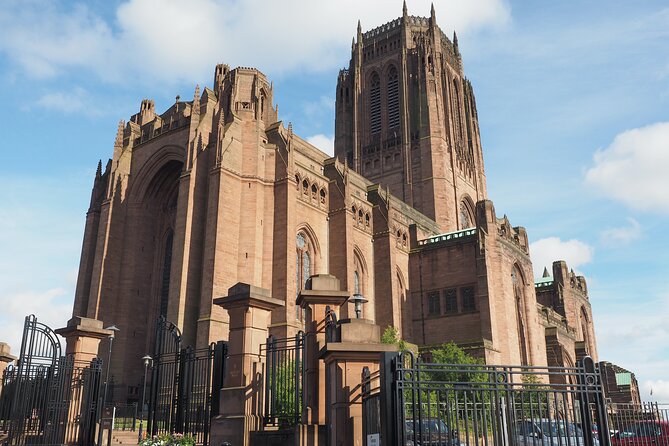
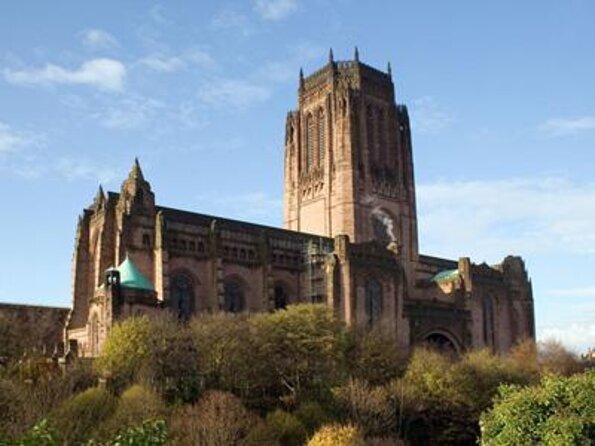
Meet at Liverpool Cathedral, St James’ Mount, at 10:30 am. The opening twenty minutes are spent inside the cathedral, with admission by donation included in the ticket price.
The Lady Chapel provides a fitting start. You will see one of the final works by a major female sculptor of the modern era, along with stained-glass windows depicting women who influenced Liverpool’s growth. The setting gives the tour a visual beginning before the walk moves into the streets.
One particularly meaningful figure mentioned in the experience is Julian of Norwich, represented in the chapel windows. You may also hear about women such as Kitty Wilkinson and Josephine Butler later in the tour, both of whom are tied to wider struggles for health, dignity, and women’s rights.
The cathedral stop is more than a quick photo opportunity. It frames the main idea: women’s influence can be found in religious art, public institutions, reform campaigns, and everyday improvements to city life.
After leaving the cathedral, the walk heads toward the city center. The overall pace is relaxed, but the route does include slopes and uneven surfaces. If you use a wheelchair or have limited mobility, one account describes a guide adjusting the route for an older group member using a wheelchair, while still covering the key material. That suggests a considerate approach, but you should still be prepared for the stated cobbles, slopes, and busy areas.
Blackburne House and the education of girls
Blackburne House is a Grade II listed building with a long connection to girls’ and women’s education. The stop lasts about ten minutes, enough to explain why the building matters and introduce some of its notable former pupils.
This is one of the tour’s useful shifts in focus. Instead of discussing women only as political campaigners or famous public figures, the walk considers the institutions that helped women gain access to learning. Education was a practical route to independence, professional work, and public influence.
You will not spend a long time inside Blackburne House, and admission is free. Treat it as a compact history stop rather than a full building tour. The value comes from the wider story and from seeing the place in context.
Rodney Street, medicine, and professional barriers
Rodney Street was once known as the Harley Street of the North, reflecting its association with medical professionals. Here, the guide points out female residents and explains the obstacles women faced when trying to enter medicine and other respected professions.
The next stop at Mount Pleasant develops this theme. The area’s medical associations provide a setting for stories about Liverpool women who influenced medicine, education, and health services around the turn of the twentieth century.
These sections should appeal to anyone interested in how social change actually happened. Progress did not arrive simply because laws changed. Women had to gain training, find supporters, create institutions, and press for reforms while dealing with rules designed to keep them out.
The ten-minute format keeps the walk moving, but it also means you will need to listen closely. This is not a tour where every stop comes with a long pause for independent exploration. If a particular person catches your interest, make a note of her name and continue researching after the walk.
More Historical Tours:
- Liverpool Hidden History and Dead House Evening Walking Tour
★ 5.0 · 200 reviews - Liverpool Heritage, History, Culture Walking Tour-Shore Excursion
★ 4.5 · 21 reviews - Private Tour in Liverpool – History, Football, Views & Local Beer
★ 5.0 · 18 reviews - London Small Group Tour of Historical Pubs
★ 5.0 · 10,422 reviews
Everyman Theatre and Liverpool’s political edge
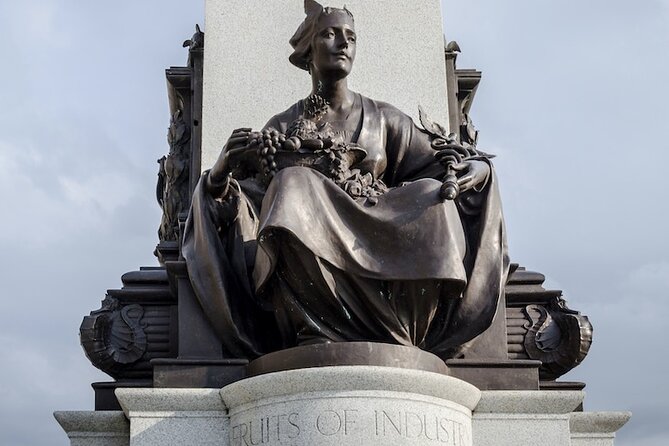
At the Everyman Theatre, the story reaches back to the site’s earlier identity as Hope Hall. The guide connects its bohemian atmosphere and political character with major reform movements, including the suffragettes.
This stop gives the tour a different mood. Schools and medical addresses show how women built careers and improved services. Hope Hall points toward public debate, performance, political organizing, and the movement for women’s voting rights.
The setting also helps you see that political campaigns were not confined to official council chambers. Meetings, performances, and informal networks all helped ideas travel. The tour’s strength is its habit of attaching those broad movements to actual Liverpool places.
Pembroke Place and the roots of a red-brick university
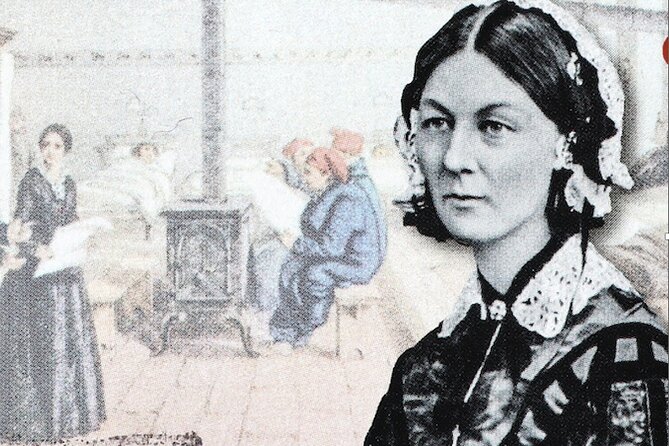
Pembroke Place is linked to the origins of the phrase red-brick universities. The guide discusses female alumni and several pioneering women connected with the area.
You will also hear about a major philanthropist who campaigned for women’s rights and family welfare in the early 1900s. This part of the route broadens the meaning of reform. It is not only about voting rights. It is also about housing, health, education, family support, and the daily conditions that shape a person’s chances.
For me, this is the kind of stop that makes the tour worthwhile at its price. You are not just collecting famous names. You are seeing how institutions, private giving, campaigning, and education worked together to change lives.
The Catholic Cathedral and the Nightingale nurses
The Metropolitan Cathedral of Christ the King brings religion, nursing, and social reform into the story. The guide explains the history of the Catholic Cathedral and its connection with the Nightingale nurses.
You will also hear about a leading nineteenth-century reformer whose work supported women and families through changes to legislation. The material includes both tragedy and achievement, so this section is likely to be more emotionally demanding than a simple architectural stop.
The visit is listed as free admission and lasts about ten minutes. Since the tour moves through several important buildings, remember that the main experience is the guide’s storytelling. You should not expect a long architectural tour of the cathedral itself.
Lime Street and a woman remembered in song
Lime Street brings a sharper, more popular-cultural turn. The area had an infamous reputation in the nineteenth century, and the guide introduces a woman who later appeared in several well-known Liverpool songs.
This is a clever way to connect social history with the city’s musical identity. You may recognize the songs, but the person behind the reference can be less familiar. The stop shows how women can survive in public memory through lyrics and local folklore, even when formal accounts give them little space.
Again, ten minutes is enough for an introduction but not for a full investigation of Lime Street’s past. Listen for the name and the link to the songs, then follow up if that part of Liverpool interests you.
William Brown Street and the Walker Art Gallery
On William Brown Street, you pass locations connected with social and political union meetings in the early 1900s. The route then reaches the Walker Art Gallery, often called the national gallery of the North.
Here the focus turns to women who helped shape the gallery and to female artists and subjects still represented inside it. The gallery is publicly owned, which adds another useful layer to the discussion. Public art is not only about the objects on display. It is also about who gets collected, who gets remembered, and who has access to culture.
The stop is outside or around the gallery rather than a full gallery visit. If you want to see the artworks discussed at greater length, plan a separate visit. The walking tour gives you the context and names, while the gallery itself offers the chance to continue the subject at your own pace.
Finishing at St George’s Hall
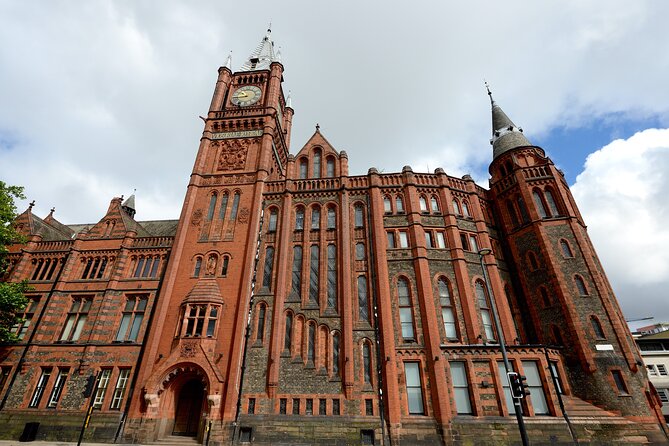
The route ends near St George’s Hall, one of Liverpool’s grandest Grade I listed buildings. The final ten minutes connect the hall with the suffragist movement and reveal an unexpected link to modern cookery.
That final cooking connection gives the tour a lighter closing note after the heavier material on reform, poverty, health, and political struggle. It also reinforces the wider message: women’s history belongs in public life, cultural life, and ordinary daily routines, not only in textbooks about elections.
St George’s Hall is a practical ending point. It is central, easy to recognize, and close to Liverpool Lime Street station and other city-center sights, though the tour information only confirms that it is near public transportation. You can use the end of the walk to continue sightseeing, find lunch, or visit nearby attractions.
How the two hours feel in practice
The experience lasts approximately two hours and includes ten stops. The cathedral receives about twenty minutes, while the remaining locations generally receive ten minutes each.
That structure keeps the route active. You are unlikely to spend long enough at any one place to become restless, but you also will not receive a full tour of every building. Think of this as a moving story with architectural prompts rather than ten separate attraction visits.
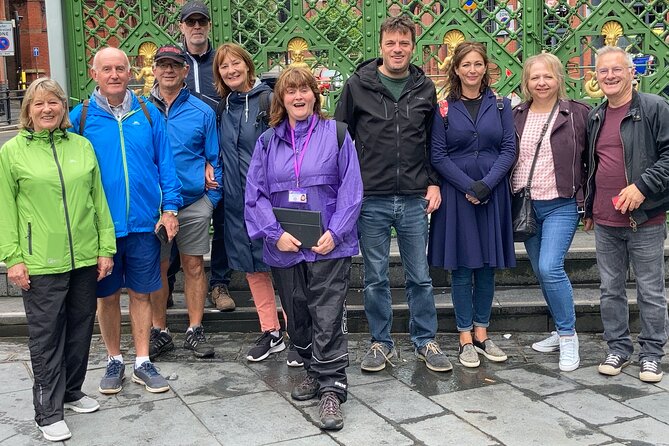
The maximum group size is 26 people. That is large enough to create a social atmosphere, but still modest compared with a big city walking tour. The guides appear to place real importance on including everyone. One account describes Pam adjusting the route for older members of a group, and another highlights how she helped create a comfortable atmosphere for the whole party.
Pam receives especially strong praise for being warm, engaging, and full of facts. Jean is also described as fun, passionate, and well informed. Guide quality matters greatly on a history walk, and this tour seems to depend on people who enjoy bringing names and events back into the streets.
Price, timing, and what you receive
At $31.58 per person, the tour is not the cheapest way to spend two hours in Liverpool. Its value depends on how much you want guided interpretation rather than simply walking between famous sights.
You receive a planned route, a specialist subject, cathedral admission by donation, and a local guide who connects buildings that might otherwise seem unrelated. For someone interested in women’s history, social reform, or Liverpool beyond the waterfront, that is a fair use of your time.
The monthly schedule requires planning. It is booked an average of 43 days ahead, so do not assume you can decide on the morning of your visit. Confirmation arrives at booking, and the ticket is mobile, which keeps things simple.
Free cancellation is available up to 24 hours before the 10:30 am start time. Changes or cancellations inside that window are not accepted for a refund. If poor weather causes the tour to be canceled, you are offered another date or a full refund.
Shoes, weather, dogs, and access
Wear comfortable, non-slip shoes. The route is described as easy, but cobbles and uneven surfaces can make a city walk tiring, especially if you are not used to walking on old streets.
Bring water, preferably in a reusable bottle, and use sunscreen on sunny days, including in winter. The tour requires good weather, so the outdoor nature of the route is important to keep in mind.
Service animals are allowed, and well-behaved dogs are welcome. Dogs may need extra care in busy areas and when walking as part of a group.
Most people can take part, and children under 16 must be accompanied by an adult. If you have limited mobility, contact the operator before booking so you can discuss the route. The walk includes steep slopes and busy sections, even though the general pace is gentle.
Who will enjoy this Liverpool walk most
I would choose this tour if you want Liverpool to be more than music venues, football, and waterfront architecture. It suits visitors who enjoy social history, local stories, women’s rights, education, medicine, and public art.
It also works well for people who already know Liverpool. The route moves through familiar areas but supplies details you may never have heard while walking there alone. One local participant found that the tour revealed many new places and facts despite living nearby.
The walk may be less suitable if you prefer long visits inside attractions, a fast pace, or a tour focused on the city’s maritime history. Some stops are short, and the subject matter is more about people and reform than grand interiors.
Men are welcome, too. The campaigners and reformers discussed here worked toward wider equality, so this is not only a tour for women. It is a useful city walk for anyone who wants to understand how social change affected Liverpool.
Should you book the Inspirational Women Liverpool tour?
Book it if you value strong storytelling, overlooked local figures, and a relaxed route through central Liverpool. Pam and Jean bring the subject to life, and the tour’s best quality is its ability to connect ordinary streets with major changes in women’s rights, medicine, education, and family welfare.
I would book well ahead because it runs monthly and is often reserved weeks before the date. Choose a dry day, wear shoes with good grip, and leave room in your plans to visit the Walker Art Gallery or explore St George’s Hall after the walk.
Skip it if you want a conventional highlights tour or a full guided visit inside each cathedral and gallery. For everyone else, the $31.58 price buys something more lasting than a list of sights: a new way to read Liverpool’s streets and notice the women who helped shape them.
FAQ
Where does the Inspirational Women Liverpool tour start?
The tour starts at Liverpool Cathedral, St James’ Mount, Liverpool L1 7AZ. The start time is 10:30 am.
Where does the walking tour finish?
The tour ends at St George’s Hall, St George’s Place, Liverpool L1 1JJ.
How long does the tour last?
The walk lasts approximately two hours. It includes ten stops, with about twenty minutes at Liverpool Cathedral and around ten minutes at most other locations.
Is admission to Liverpool Cathedral included?
Yes. Admission to the cathedral by donation is included in the ticket price.
Is the tour suitable for children and dogs?
Children under 16 must be accompanied by an adult. Well-behaved dogs are welcome, and service animals are allowed.
Can I cancel for a refund?
You can cancel up to 24 hours before the experience starts for a full refund. Cancellations or changes made less than 24 hours before the start time are not accepted, and poor weather may result in another date or a full refund.
Just added around Liverpool
- Welcome to Liverpool Tour – 2 Hour Private Walking Tour★ 5.0 · 7 reviews
- Private Half-Day Liverpool Tour with a Local, Personalized★ 5.0 · 7 reviews
- 3 Hours Private City Highlights Liverpool Walking Tour★ 5.0 · 7 reviews
- Football Experience With A Local Host In Liverpool★ 4.5 · 8 reviews
- Liverpool Football Club Museum Entry★ 5.0 · 10 reviews
- The Liverpool Pass®: All top attractions inc. Hop-On Hop-Off Bus Tour | 2-Days★ 4.5 · 11 reviews
- Liverpool Ultimate Beatles Ticket To Ride Half-Day PRIVATE Tour★ 5.0 · 12 reviews
- Liverpool Film and Music – 2 hour Private Walking Tour★ 5.0 · 12 reviews
Historical Tours, compared.


Shadows of York: Ghost Walk and Horrible History.
Read our review →
A Walk Through Time: History of Liverpool Walking Tour
Read our review →
Royal Historic Pubs Walking Guided Tour in London
Read our review →
Private Group: Historical Pub Walking Tour of London
Read our review →
Best Of Liverpool Heritage, History & Culture Guided Walking Tour
Read our review →Browse the lists this tour appears in