
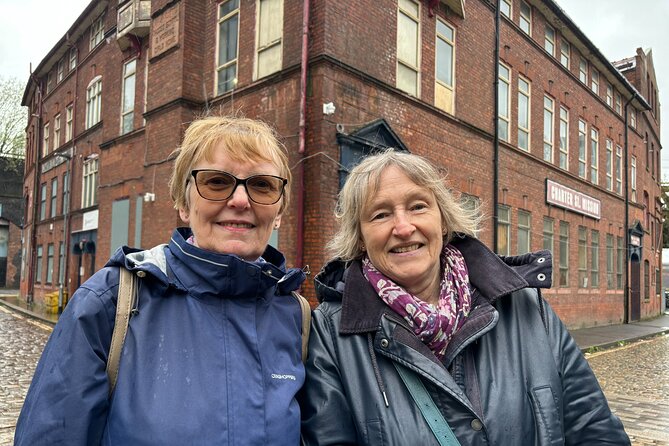
Reviewed · HISTORICAL TOURS
Angel Meadow Manchester History Tour with Author Dean Kirby
Manchester’s darkest stories still shape the city. This 90-minute walk through Angel Meadow brings the old industrial district to life with author and historian Dean Kirby, whose book examines the area once called Hell upon Earth by Friedrich Engels. You follow the River Irk, cross Angel Meadow Park, and connect present-day streets with the harsh lives of Victorian Mancunians.
I like the small group of no more than 15 people, which gives you room to ask questions without shouting over a crowd. I also like that Dean points out good photo spots while explaining what stood here before redevelopment. The main drawback is clear: much of old Angel Meadow has disappeared, so this tour depends on storytelling, maps in your mind, and careful attention to the remaining clues.
For $27.62 per person, you get a focused history walk rather than a broad introduction to Manchester. I would choose it if you want social history, industrial heritage, and a more serious look at the people who paid the human cost of the cotton boom.
In This Review
- Key Things to Know Before You Go
- Why Angel Meadow Matters to Manchester
- Meeting at Sadler’s Cat and Setting Off
- Along the River Irk, Where Industrial Manchester Took Shape
- Angel Meadow Park and the Story of a Lost Neighborhood
- Ragged Schools, Scuttlers, and Everyday Survival
- What the Small Group Adds
- Photos, Walking Conditions, and Practical Comfort
- Is $27.62 a Fair Price?
- Who Will Enjoy This Manchester History Walk?
- Should You Book the Angel Meadow Tour?
- FAQ
- Where does the Angel Meadow Manchester tour begin?
- What time does the tour start?
- How long does the tour last?
- Where does the tour finish?
- How large is the tour group?
- Can I cancel for a full refund?
Key Things to Know Before You Go
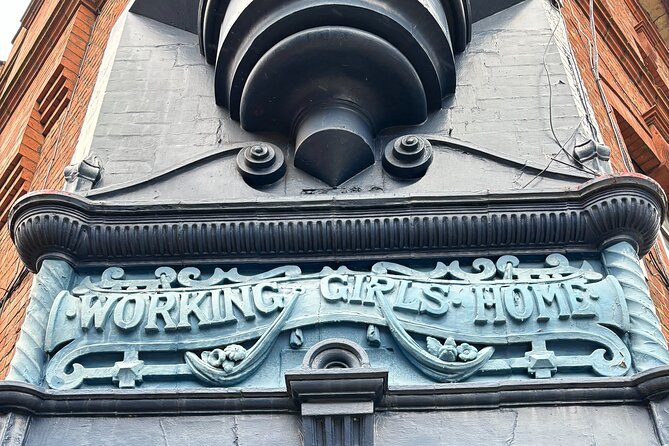
- Dean Kirby leads the walk: The guide is the author of Angel Meadow: Victorian Britain’s Most Savage Slum, giving the tour a close connection to the district’s past.
- The route takes about 90 minutes: You walk from Sadler’s Cat to St. Michael’s Flags and Angel Meadow Park.
- The story centers on working-class Manchester: Expect overcrowded lodging houses, deep cellars, child poverty, gangs, mills, and the River Irk.
- The group is capped at 15 people: This is useful if you want to ask questions or talk with other history fans.
- Redevelopment changes what you see: New apartments and modern streets sit beside traces of former ragged schools and old industrial ground.
- The finish is useful for further exploring: Angel Meadow Park is a six-minute walk from Shudehill bus station, and Dean will walk back with anyone who wants to return to the starting point.
Why Angel Meadow Matters to Manchester
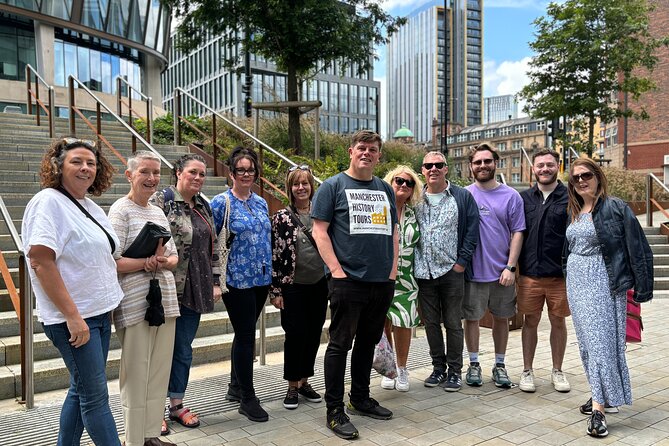
Angel Meadow is not the easiest Manchester story to tell. The grand version of the city celebrates cotton, invention, trade, mills, and industrial growth. This walk turns your attention to the workers and families who lived beside that success in terrible conditions.
At its worst, the district held around 30,000 people. Many lived in overcrowded lodging houses or cramped cellars along the River Irk. Poverty shaped almost every part of daily life, while gangs known as scuttlers stalked the streets. These details give the tour a human scale. You are not only hearing about factories and economic change. You are considering how families tried to survive while Manchester grew wealthy.
Friedrich Engels described Angel Meadow as Hell upon Earth. That phrase is dramatic, but the tour uses it to frame a very real contrast: the city’s industrial achievements were built on the labor of people living with disease, hunger, poor housing, and danger.
I appreciate tours that do not treat old slums as mere atmospheric backdrops. Here, Angel Meadow becomes a place where ordinary people helped shape Manchester, even though their homes and names were often pushed aside by later development.
More Historical Tours:
- Street Art: The Modern History of the Northern Quarter
★ 5.0 · 102 reviews - London Small Group Tour of Historical Pubs
★ 5.0 · 10,422 reviews - Soho Music & Historic Pubs Tour
★ 5.0 · 1,993 reviews
Meeting at Sadler’s Cat and Setting Off
The walk begins at Sadler’s Cat on Hanover Street, Manchester, postcode M60 0AB. The start time is 2:00 pm, so you have a clear afternoon appointment rather than an early morning rush. Confirmation arrives when you book, and the tour is offered in English with a mobile ticket.
The starting point gives you a practical place to meet in the city center before heading toward Angel Meadow. I would arrive a little early, especially if you are unfamiliar with Hanover Street. A small group makes it easier to spot the guide, but punctuality still matters on a walking tour with a fixed route.
From the beginning, Dean’s role matters. He is not simply delivering a standard city commentary. As the author of Angel Meadow: Victorian Britain’s Most Savage Slum, he has a direct connection to the subject. That does not guarantee that every moment will suit every visitor, but it does suggest a tour built around research and close attention to the district.
The relaxed tone is another advantage. You can ask questions as the walk unfolds, rather than saving everything for the end. That is particularly helpful when the modern street scene does not immediately match the Victorian story being described.
Along the River Irk, Where Industrial Manchester Took Shape
One of the tour’s key sections follows the River Irk. Today, you may need to use imagination as much as sight, since redevelopment has altered much of the area. Dean’s job is to connect the river, housing, work, and poverty into one understandable picture.
The river was part of Angel Meadow’s physical setting and its social story. Families lived in deep cellars near it, while Manchester’s industrial activity expanded around them. The walk helps you think about why workers lived where they did and how proximity to mills shaped their choices.
The tour places Angel Meadow in the shadow of one of the world’s first cotton mills. That detail gives the route its central tension. You are close to a symbol of industrial progress, yet the nearby population was struggling to keep body and soul together.
I find this kind of contrast more useful than a simple list of dates. You can connect the machinery and commerce of the Industrial Revolution with crowded housing and insecure lives. It also explains why Manchester became such an important city without reducing its past to a success story.
The route may not offer a constant parade of preserved buildings. That is an important expectation to set. You will not be walking through a fully restored Victorian quarter. Instead, you will compare surviving traces with the account Dean provides.
Angel Meadow Park and the Story of a Lost Neighborhood
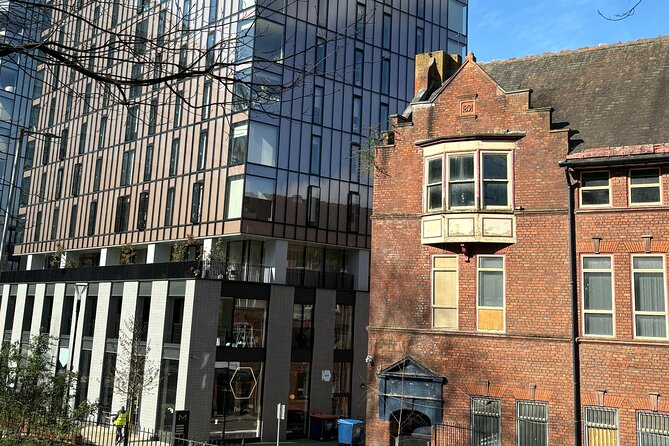
The walk continues through the tree-lined Angel Meadow Park before finishing near St. Michael’s Flags and the park entrance on Old Mount Street. The park gives the tour a calmer setting, but the subject remains difficult. This is where the name Angel Meadow becomes more than a location on a map.
The area’s present appearance can make its former condition hard to picture. Modern apartments now sit alongside streets that once held overcrowded lodging houses, former ragged schools, and some of Manchester’s poorest residents. Dean fills those gaps with a vivid account of what the district was like during the Industrial Revolution.
This is where the guide’s storytelling receives its strongest praise. He is described as making the walk informative and fun, with a relaxed manner and plenty of time for questions. Just as important, he can paint a strong picture of the past even when little of the original neighborhood remains.
The park is also a sensible ending point. If you want to continue exploring Angel Meadow, you can do so after the formal walk. The end point is about six minutes from Shudehill bus station, which makes it easy to continue into another part of Manchester rather than retracing your route.
If you prefer a tour filled with intact interiors, museums, or grand architecture, this may feel thin in places. If you enjoy reconstructing lost places from evidence and explanation, the missing buildings become part of the subject.
Something different for another day:
- The Manchester City Stadium Tour
★ 5.0 · 4,176 reviews - Alcotraz Prison Cocktail Experience in Manchester
★ 5.0 · 1,216 reviews - LEGOLAND Discovery Centre Manchester
★ 4.0 · 1,049 reviews - Manchester Afternoon Walking Tour
★ 5.0 · 1,033 reviews
Ragged Schools, Scuttlers, and Everyday Survival
The tour’s appeal comes from its attention to people who are often left out of city-center sightseeing. You hear about families living in deep cellars, children connected with ragged schools, and gangs of scuttlers moving through the streets.
These subjects add texture to the usual cotton-mill narrative. A ragged school points to the lack of formal education and support available to poor children. The scuttlers add a sense of street conflict and insecurity. Together, these details show a neighborhood shaped by poverty rather than by tidy Victorian progress.
I like that the experience treats Angel Meadow as a community, not just a place of misery. The district’s residents were fighting to survive, but they were also part of the workforce, culture, and growth of Manchester. That distinction matters. It keeps the tour from turning poverty into a spectacle.
Dean’s relaxed approach should help with a heavy subject. The walk is not presented as a grim lecture with no breathing room. You can discuss the details, ask for clarification, and spend time working out how the pieces fit together.
Since the tour lasts about an hour and a half, it has enough time to develop the story without becoming an all-day commitment. You get a concentrated look at one neighborhood rather than a rushed overview of the whole city.
What the Small Group Adds
The maximum group size is 15 people. That is not a private tour, but it is small enough to make conversation possible. For a subject that depends on questions and visual explanation, this is a meaningful benefit.
You can ask Dean about a building, a street, a term, or a point in the story as it comes up. You also have more chance to hear the guide clearly and stay close to the group. The experience should appeal to people who enjoy meeting others with similar interests, since the focus naturally encourages conversation.
The social side is worth noting. This is not a silent walk where you simply follow a guide with headphones. It offers a chance to talk with other people interested in Manchester’s past. That can make the 90 minutes feel more personal.
The tradeoff is that a group tour still has a shared pace. You will not set the route around your own interests, and the time for each question is limited. If you want a private, highly flexible exploration, a one-to-one arrangement would suit you better, but that is not what this experience offers.
Photos, Walking Conditions, and Practical Comfort
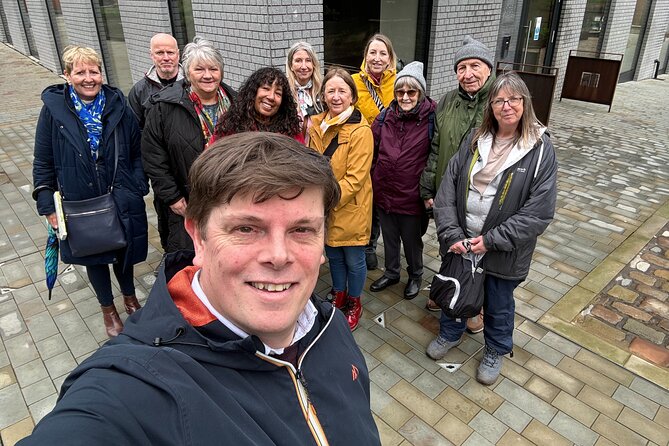
Dean points out the best spots for photos along the route. That is useful because Angel Meadow does not always announce its historical importance. You may need help identifying the relationship between an ordinary-looking street, a modern apartment block, the park, and the older traces around them.
This is a walking tour, not a ride. You should have a moderate level of physical fitness and be able to manage steps. The experience is not recommended if you cannot negotiate steps, so consider your comfort before booking.
The tour requires good weather. If poor weather forces a cancellation, you are offered another date or a full refund. That policy is helpful, but it also means you should keep the weather in mind when planning a tightly packed day in Manchester.
Service animals are allowed, and the route is near public transportation. The start and finish are not at the same point, though Dean will walk back with anyone who wants to return to Sadler’s Cat. The finish near Angel Meadow Park also puts you within a short walk of Shudehill bus station.
Is $27.62 a Fair Price?
At $27.62 per person, the price is reasonable for a 90-minute specialist walk, especially with the author of a book devoted to Angel Meadow leading it. You are paying for interpretation and access to a focused subject, not for entrance to a major attraction.
The value depends on your interests. If you only want Manchester’s headline sights, you may prefer a general city tour that covers more ground. This experience concentrates on one overlooked area, so its payoff comes from depth rather than quantity.
I think the price works best for visitors who already have some interest in industrial history, urban poverty, or social change. It can also suit repeat visitors who have seen Manchester’s central landmarks and want a less familiar angle.
The small group helps the value. You are not simply following a large crowd for an hour and a half. You get chances to ask questions, hear the story in a conversational setting, and understand why the remaining sites matter.
Free cancellation is available if you cancel at least 24 hours before the 2:00 pm start. Changes or cancellations inside that window are not accepted for a refund. The experience also needs a minimum number of people to operate, so a cancellation for that reason brings an alternative date or a full refund.
Who Will Enjoy This Manchester History Walk?
I would recommend this tour to you if you enjoy:
- Industrial Revolution history told through ordinary people
- Small groups and direct access to a guide
- Walking routes through less familiar parts of a city
- Social history, housing, poverty, and working-class communities
- Reconstructing lost neighborhoods from stories and surviving clues
- A focused experience lasting about 90 minutes
You may want to skip it if you need a route packed with preserved buildings, formal museum displays, or major architectural sights. Redevelopment has removed much of Angel Meadow, and the tour cannot restore what is gone.
It is also less suitable if steps are difficult for you or if wet weather would make an outdoor walk uncomfortable. The route asks you to pay attention and imagine the old streets. That is its strength, but it is not the right format for someone who wants a passive sightseeing experience.
Should You Book the Angel Meadow Tour?
Book this walk if you want Manchester explained from the bottom up. Dean Kirby’s subject is grim, but his relaxed style and willingness to take questions make the experience approachable. The best reason to go is not the number of surviving buildings. It is the chance to understand how the people of Angel Meadow helped build modern Manchester while living in conditions that Engels condemned as Hell upon Earth.
At $27.62, the tour offers good value for a compact, specialist experience. I would book it during a Manchester visit if you have a free afternoon, enjoy social history, and do not mind using imagination where redevelopment has erased the old streets.
FAQ
Where does the Angel Meadow Manchester tour begin?
The tour begins at Sadler’s Cat on Hanover Street in Manchester, postcode M60 0AB.
What time does the tour start?
The tour starts at 2:00 pm.
How long does the tour last?
The walk lasts approximately 1 hour and 30 minutes.
Where does the tour finish?
It finishes at St. Michael’s Flags and Angel Meadow Park on Old Mount Street, postcode M4 4TF. The park entrance is also listed as M4 4GU.
How large is the tour group?
The experience allows a maximum of 15 people.
Can I cancel for a full refund?
Yes. You can cancel at least 24 hours before the start time for a full refund. Cancellations or changes made less than 24 hours before the start are not accepted for a refund.
Just added around Manchester
- Manchester Street Art: Quest Experience★ 4.0 · 6 reviews
- Manchester: Football Experience With A Local Host★ 3.5 · 6 reviews
- Stockport Guided Walking Food Tour★ 5.0 · 7 reviews
- Private Cocktail Making Class in Manchester★ 5.0 · 8 reviews
- MANCHESTER: Yorkshire Adventure – Sightseeing Day Trip Tour★ 5.0 · 9 reviews
- Manchester: Luggage Storage Central★ 5.0 · 10 reviews
- Musical MADchester Quest Experience in Manchester★ 4.0 · 14 reviews
- Murder Detective Self-Guided Tour in Manchester★ 3.5 · 16 reviews
Historical Tours, compared.


Shadows of York: Ghost Walk and Horrible History.
Read our review →
A Walk Through Time: History of Liverpool Walking Tour
Read our review →
Royal Historic Pubs Walking Guided Tour in London
Read our review →
Private Group: Historical Pub Walking Tour of London
Read our review →
Best Of Liverpool Heritage, History & Culture Guided Walking Tour
Read our review →Browse the lists this tour appears in